


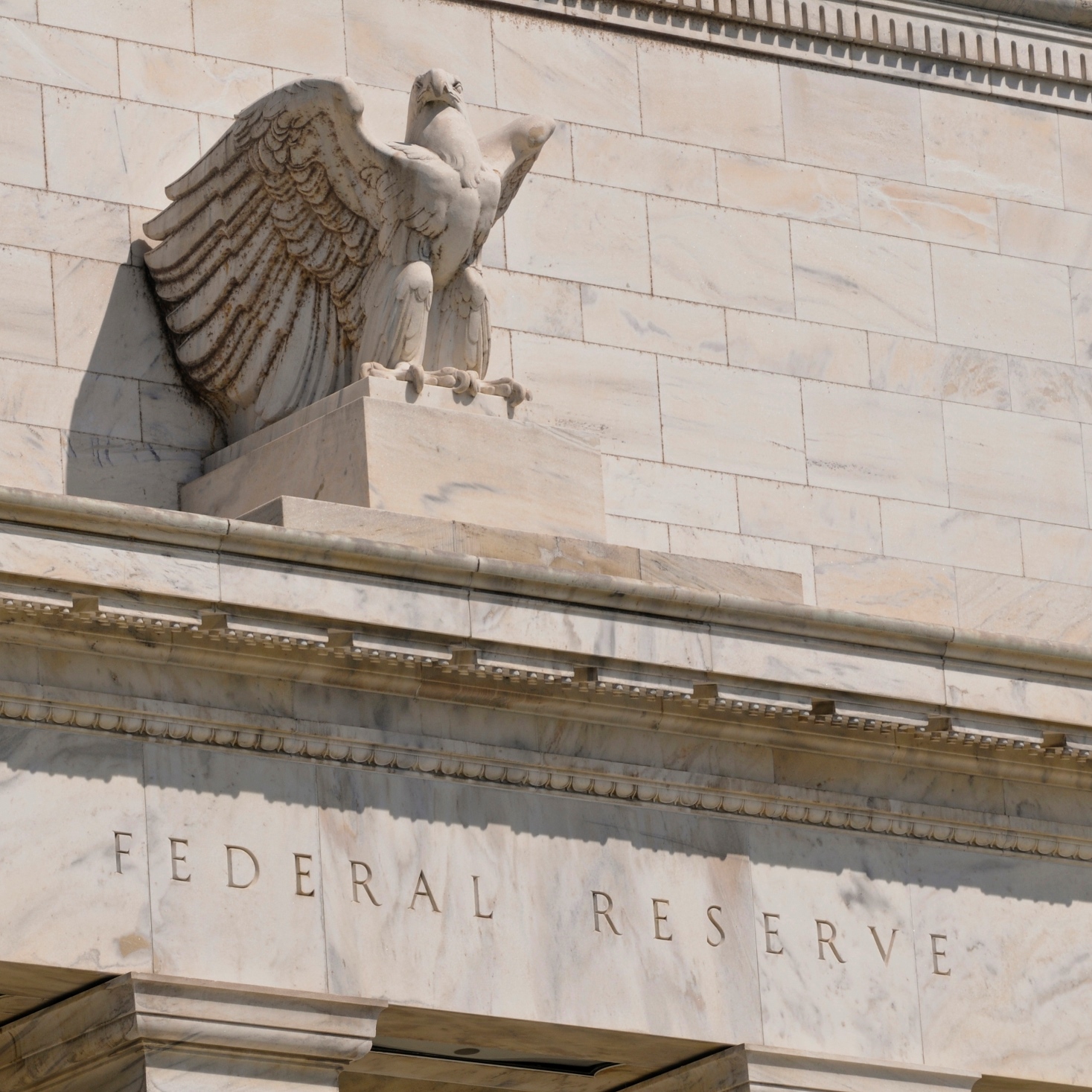
If you love to review the totality and formal minutes you can see the full release of the JUNE FOMC MINUTES for the meeting adjourned on June 25.
Here are some of our own brief takeaways:
There were no open market operations in foreign currencies for the System’s account in the period since the previous meeting.
The Manager also reported on developments in domestic financial markets and on System open market operations in government securities and federal agency obligations during the period since the previous meeting. By unanimous vote, the Committee ratified these transactions.
- Economic activity had remained soft in recent months.
- Manufacturing activity had deteriorated.
- Business investment in equipment appeared to have moved down.
- Residential construction had continued its steep descent.
- Labor market conditions had weakened further.
- Consumer sentiment was at historical lows, but consumer spending appeared resilient.
- Core consumer price inflation had been stable, but headlineinflation had remained elevated because of further substantialincreases in food and energy prices.
- Labor demand continued to weaken in April and May.
- Private payroll employment fell at a slower rate than earlier inthe year, but the decline in jobs was again widespread, with theexception of nonbusiness services.
- Aggregate hours of private production or nonsupervisory workers fell, on average, in April and May.
- The unemployment rate jumped from 5.0 percent in April to 5.5percent in May and was now about a percentage point above its level ofa year ago. The increase from April to May was accompanied by a rise inlabor force participation, especially among young people.
- Industrial production contracted in April and May at a slightly faster pace than in the first quarter.
- Manufacturing output also fell in April and was unchanged in May;over the two months, factory production slowed across a broad range ofindustries. Production in the high-tech sector continued to expand butat only a modest rate. The factory utilization rate edged down furtherin April and May to a level below its first-quarter average and waswell below its recent high in the third quarter of 2007.
- The growth of real consumer spending appeared to have picked upmoderately from its sluggish pace in the first quarter. Real outlays ongoods other than motor vehicles increased at a robust pace, on average,in April and May. However, retail purchases of motor vehicles fell to alow level. More broadly, households’ financial conditions appeared tohave weakened in recent months.
- Real disposable personal income had been rising only slowly sincelast summer, restrained by the gradual deterioration in labor marketconditions and sharp increases in food and energy prices.
- The ratio of household wealth to income had dropped sharply inthe first quarter, reflecting substantial net declines in broad equityprices and further depreciation of house prices.
- Measures of consumer sentiment fell further in April and May; theMay readings from the Reuters/University of Michigan Surveys ofConsumers and the Conference Board Consumer Confidence Survey were neartheir low points reached during the early 1990s.
- Activity in the housing sector remained very weak in April and May.
- In the business sector, real spending on equipment and softwareappeared to move down a bit further in April and May following a slightdecrease in the first quarter….spending on high-tech equipment andsoftware was expanding sluggishly.
- Economic activity in advanced foreign economies appeared to haveexpanded moderately in the first quarter, but the pace of that activityvaried markedly across economies. Inflation stayed high, on balance, inall regions, as recent price increases for food and energy added toglobal inflationary pressures.
- Headline consumer price inflation in the United States remainedelevated in April and May, mostly because of large increases in foodand energy prices. Excluding these categories, core prices rose at arelatively subdued rate in these two months.
You can read the rest hereif you wish but we’d caution you that the data is now old and manymarket events in financials have happened since the FOMC met and yieldson the long end have been coming down over the last couple weeks upuntil today.
Jon C. Ogg
July 16, 2008










 Top Gaining Stocks
 Top Losing Stocks