


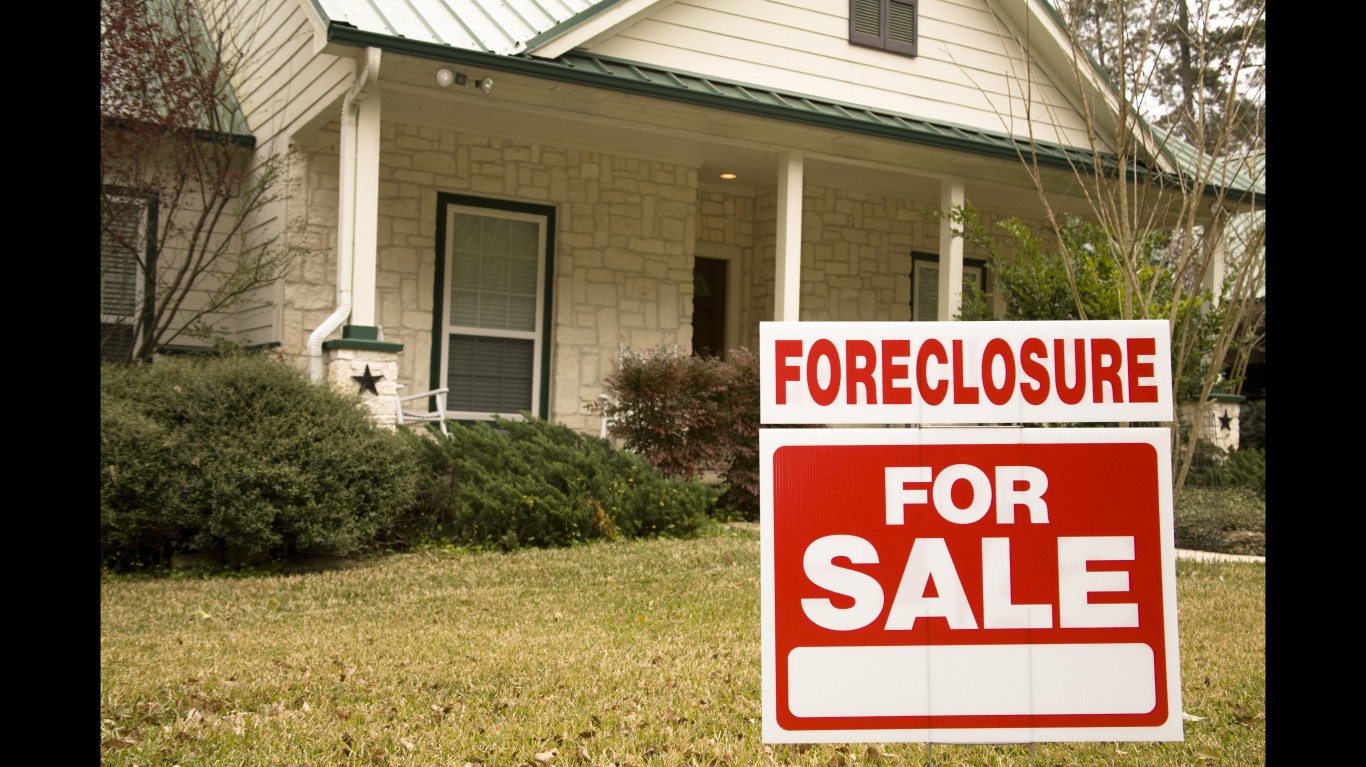
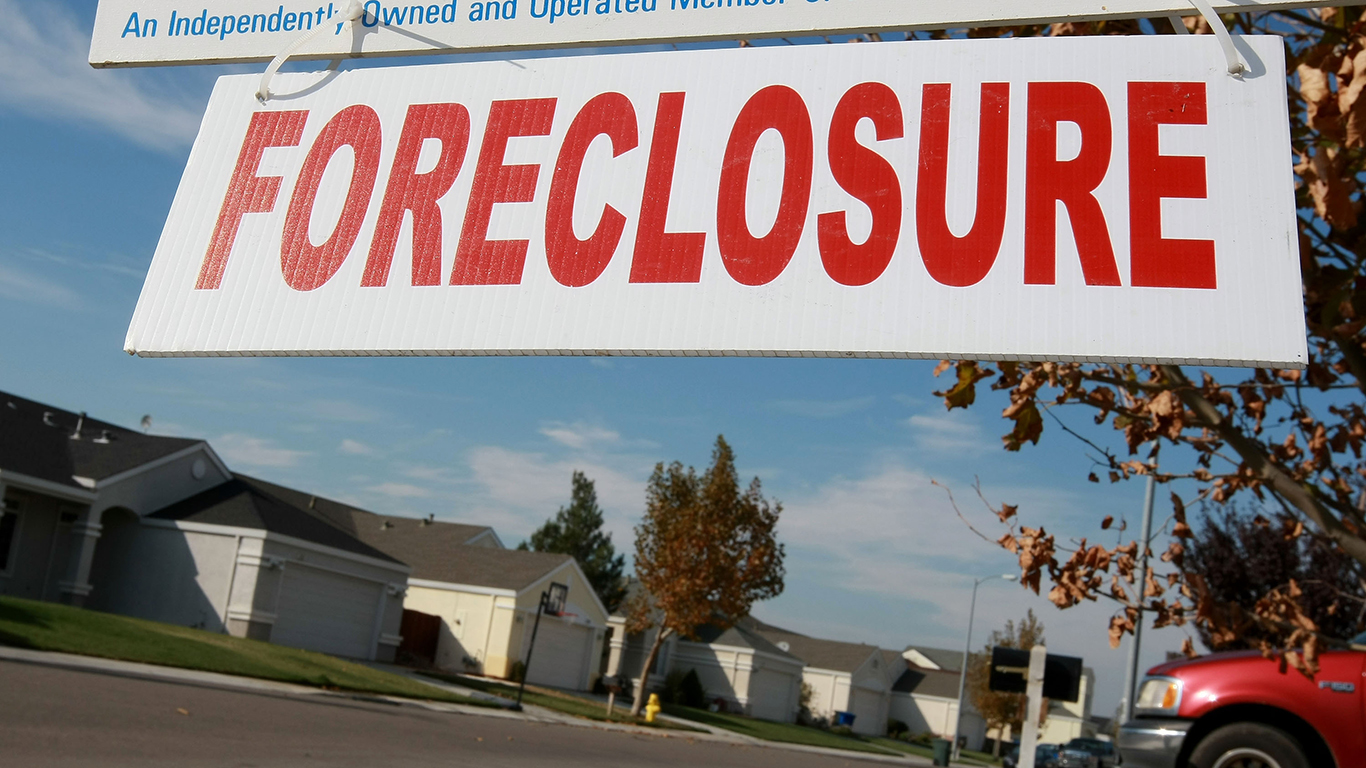
 A sort of shadow economy has been forming. The sherriff in Cook Country, Illinois has stopped enforcing evictions on may foreclosed homes. According to The Chicago Tribune, Sherriff Tom Dart cited the growing number of evictions that involve rent-paying tenants who suddenly learn their building is in foreclosure because the landlord neglected to pay the mortgage. By refusing to do any foreclosure-related evictions, the hope is that banks will change their policies.
That is the story which has received national attention, but there are a great many similar activities at the level of the economy where people actually make payments for homes, offices, and cars.
Commercial landlords who are not getting monthly rent payments from their tenants are often letting the matter slip or are giving renters better terms, at least for now. The actions are not entire selfless. Most landlords cannot find businesses to take the place of those companies who will be thrown out.
In many cases, the commercial landlord has only been able to get the mortgage for buying his property with by showing his tenant leases to the bank. An admission of delinquent rent payments could be tantamount to a mortgage foreclosure, another significant reason to do a "work-out" with a tenant.
The car lending business is also changing radically. Some banks won’t repossess cars because they cannot sell them for the value of the loan. According to CNBC, "lenders are better off seeing if they can re-work delinquent auto loans as opposed to just taking the keys back."
The new culture of forbearance will not save the economy, but it may give it a bit of help.
Douglas A. McIntyre






 Top Gaining Stocks
 Top Losing Stocks