


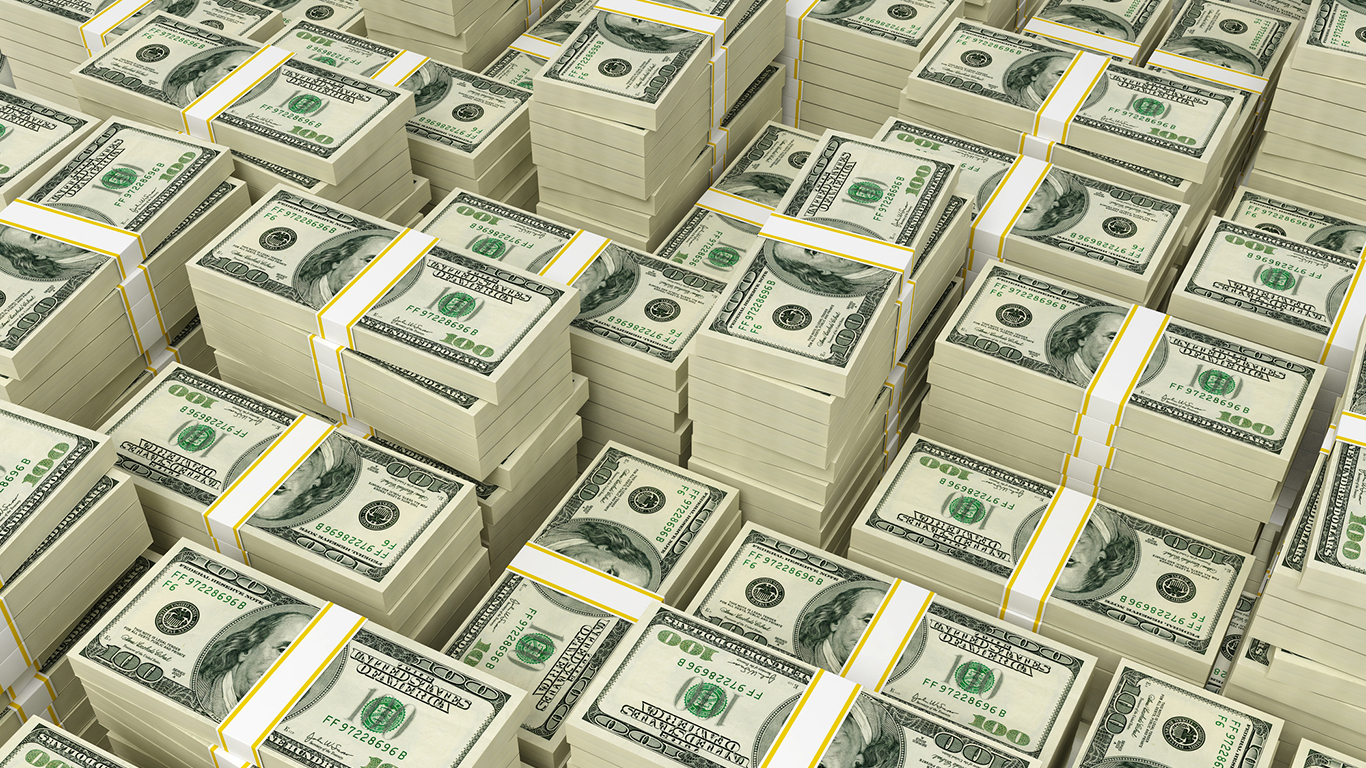
 Most tax plans start with increasing the portion that the very wealthy pay as a percent of their income. That is not just true in America. It is a global way of raising money to support government programs, and, by most accounts, it is fairly successful. The major argument against this form of taxation that taxing people who make a lot of money will diminish their entrepreneurial incentives. The wealthy will lose their desire to create more wealth.
Very few people who make a lot of money actually leave public life and work because of tax burdens. They either live with the increased taxes or find creative ways around paying them. A small percentage of the very very rich may move their money to tiny islands between Florida and South America. The local Parliaments and dictators welcome them.
The challenge of being rich, in a sharp recession, often moves from hiding wealth to keeping it. Some people with a lot of money get bilked by the genius of people like Bernie Madoff, a man who must be near the top of his class at Mensa. Usually, losing money does not require a lapse in judgment. In a poor economy, invested capital just disappears. People who had $20 million suddenly have $10 million. If they have been frugal, they are OK. If not, they often go bankrupt.
To a certain extent, the same is true with huge corporations. Companies such as Microsoft (MSFT) and Wells Fargo (WFC) go from making unimaginable sums to much smaller ones. Or, they simply lose money and the amount available for the taxman goes to zero.
The temptation to tax the wealthy, both individuals and companies, is a healthy part of the egalitarian spirit that has long been a part of both democracies and socialist states. There is nothing wrong with this system, if the government can make it work.
As is true with the US now, the time when the government needs money the most is when commerce is contracted and the tax base is under pressure. The conglomerates and the moguls are easy targets, until they, too, are destroyed by the worst of the economy. Suddenly, there is nothing left to tax.
Douglas A. McIntyre








 Top Gaining Stocks
 Top Losing Stocks