


 Depending on the source, Japan’s mythic “Lost Decade” lasted from 1989 to 2003, or sometime later if the exact bottom of the real estate market in the Asian nation is taken into account. Because the period began with easy access to capital followed by a sharp drop in the stock market and property values, it is now being compared to what many economists believe began in the US two years ago. They fear, probably with good reason, that GDP growth will simply stay in a narrow band of extremely modest growth or no growth at all and the lack of consumer and business spending and demand for exports will cause deflation.
The American economy should be so lucky. Buried among the Fed’s most recent comments on the economy were concerns about the financial and credit markets as well as employment and spending. Since the minutes are distilled before being sent out to be reviewed by an anxious public, the actual concerns among the Fed governors has probably been significantly understated.
After a period of a few weeks in which investors and analysts felt a little better about the prospects of the economy at the end of the year, the pallbearers have returned. The enthusiasm about a recovery in the banking system was sandwiched by bad news from bank analysts who think the largest financial firms will have to raise tens of billions of extra dollars on the one side and Congressmen who say that they will not provide more TARP money on the other. With insurance companies now begging for dollars as well, there is not going to be enough bailout money to go around. Bank of America (BAC), which one analyst said would have to raise $36.6 billion, has dropped from $7.77 to $6.91 in five trading days. No one could figure out where that money would come from.
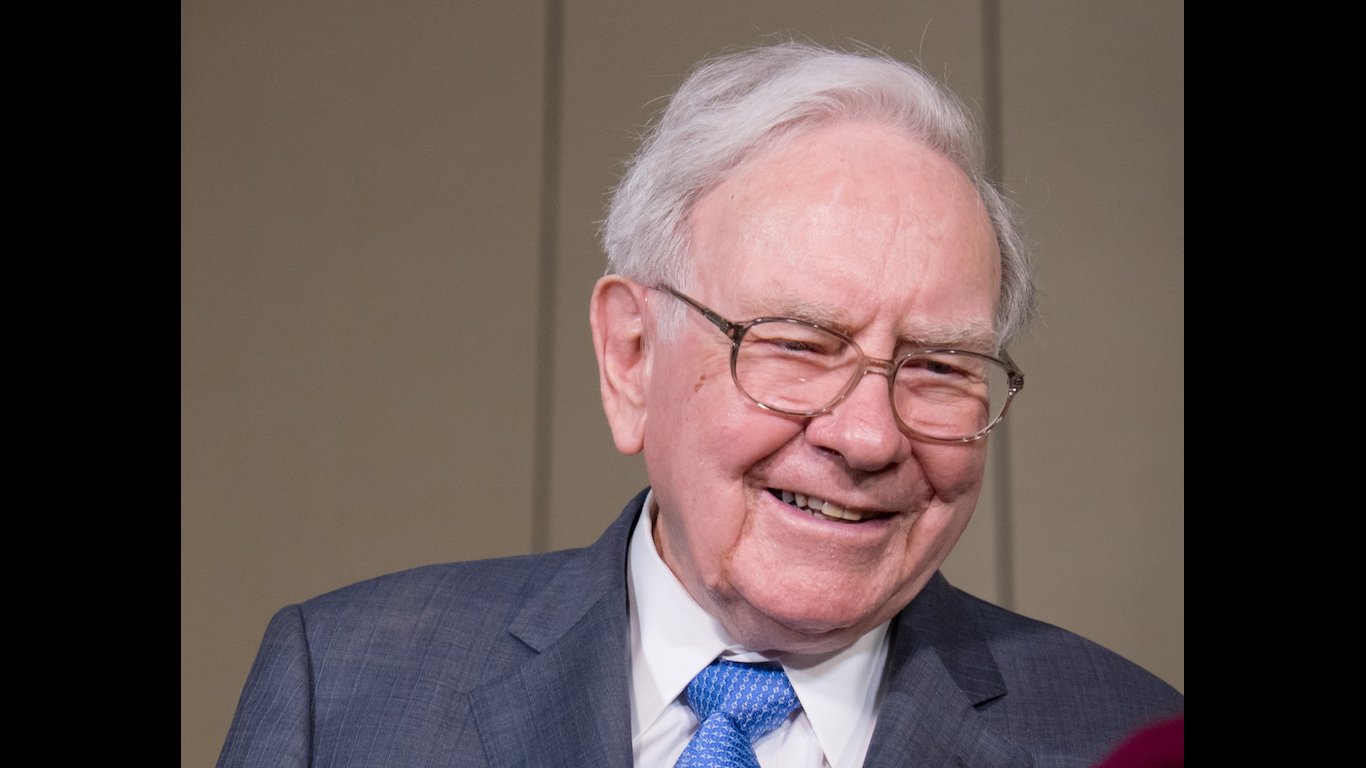
Banking problems were at the front of the gauntlet of bad news. The rise in prime mortgage defaults dampened the hopes that the housing market was in the midst of a comeback and the first few companies that have announced earnings have done no better than their gloomy forecasts said that they would. Berkshire Hathaway (BRK) lost its Triple-A rating as GE (GE) did just a few weeks ago. The period of the Fort Knox balance sheet is over in America. As of the Berkshire news, all corporate debt officially carries risk.
The concern about the American economy which is re-emerging is not whether it will run sideways for years the way that the Japanese economy did; it is whether the US GDP and employment will continue to tumble and go on looking for a bottom for several months.
The most important warning sign that the economy is sliding again is when the media seeks out the pessimists among the bureau for famous analysts and financiers. Wilbur Ross and George Soros are getting too much air time. They rarely have good things to say about the future. They may be making bets in the market that key economic measurements will deteriorate so their motives are suspect. But, they are probably right anyway. Billionaires have proven track records for prescience. Once they begin to circle, it is almost certain that something is about to die.
Douglas A. McIntyre






 Top Gaining Stocks
 Top Losing Stocks