


 The press and a number of economists believe that GDP will improve at the end of this year and that the improvement will accelerate into 2010 and 2011. Unemployment improvements will lag, but that will hardly matter. Businesses will be more productive without excess workers. Profits will rise because labor costs are historically low.
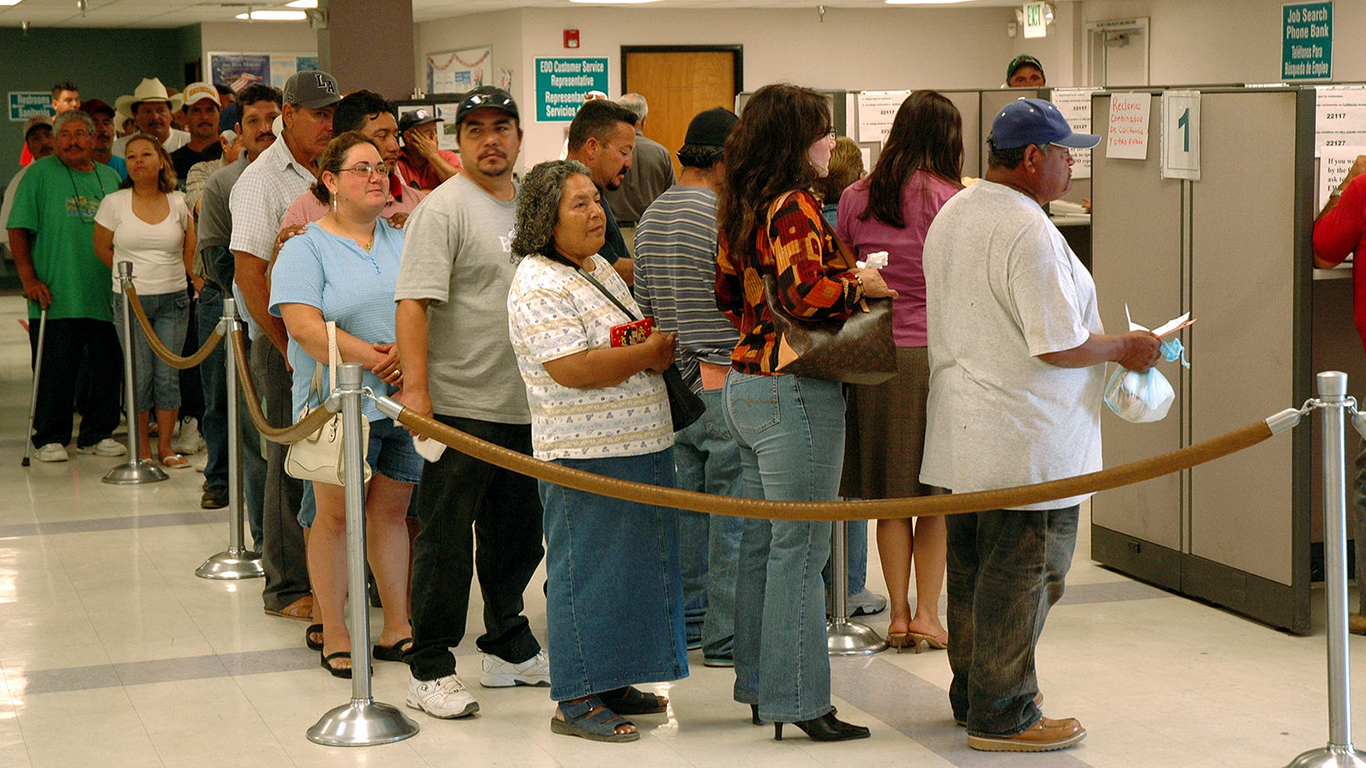
The jobless recovery is a myth because unemployment, on a real basis, is too high. It is at levels where millions of people who are still employed are almost certainly anxious about losing their jobs. These people are not going to become voracious consumers. This cautious consumer behavior will stifle demand and could be a disaster for the upcoming holiday shopping season.
Buried deep down in the Bureau of Labor Statistics August job report is the figure 16.8%. This percentage is what the government lists as “total unemployed, plus all marginally attached workers, plus total employed part time for economic reasons, as a percent of the civilian labor force plus all marginally attached workers.” The portion of people unemployed in the more classic sense is also listed in this report. The government number is 9.7% of the workforce, over half of whom have been out of work for more than 15 weeks.
Many traditional economists view 4.5% as the normal number of people who should be unemployed at any one time in the US. The Fed often uses that figure. It takes into account a traditional cycle of business layoffs and dismissals along with the migration that workers make from one job to another. The fact that any level of unemployment is labeled as “normal” may strike laypeople as odd, but the figure can certainly be defended based on a healthy economy because it is a figure that matches those that occur during most rapid economic expansions.
The unemployment rate in August was double the rate which is considered robust using the government’s classic calculations. The August figure is nearly four times higher than 4.5% when all of the people in American who are unemployed or underemployed are factored in.
A jobless recovery clearly benefits businesses for some period. High unemployment means that companies can shop the labor market for workers who would command higher salaries during a period of expanding GDP. Workers who might be full-time can be put on part-time status and only be used as they are needed. These people often do without critical benefits including healthcare coverage which makes them even less expensive for their employers.
The effect on GDP of 16.8% of the workforce being unemployed or underemployed is nearly incalculable. These people are no longer consumers, nor are they savers. They are likely to default or have already defaulted on any credit obligations. They are obviously a drain on social services. But, their impact goes beyond that.
Those who are chronically unemployed or have been out of work for a long period often rely on family and friends to be sustained economically. Those supporting these people are likely to have their discretionary income eroded. The effect of helping individuals who are out of work will heighten concerns among those currently employed that layoffs will continue and that the job market will not recover. Those offering the support system for friends and family are very likely to be highly anxious about their own jobs.
The corrosive effect of high unemployment on national worker moral grows for nearly everyone in the country as more people lose jobs each week, as people look for work week after week without success, and as workers who used to make a living wage find that they have been out of a job for so long that their government benefits have ended. These people become truly destitute unless they have the private support of others who can help them. It is no wonder that so many people in their 20s and 30s live with their parents.
A jobless recovery may last a quarter or two. However, the effects of chronic and extended joblessness, along with this new great national anxiety over fears that it may be years before unemployment returns to a normal level, is impossible to forecast. It is certain however that the consumer will stay out of the market and that GDP growth will suffer as a result.
Douglas A. McIntyre






 Top Gaining Stocks
 Top Losing Stocks