


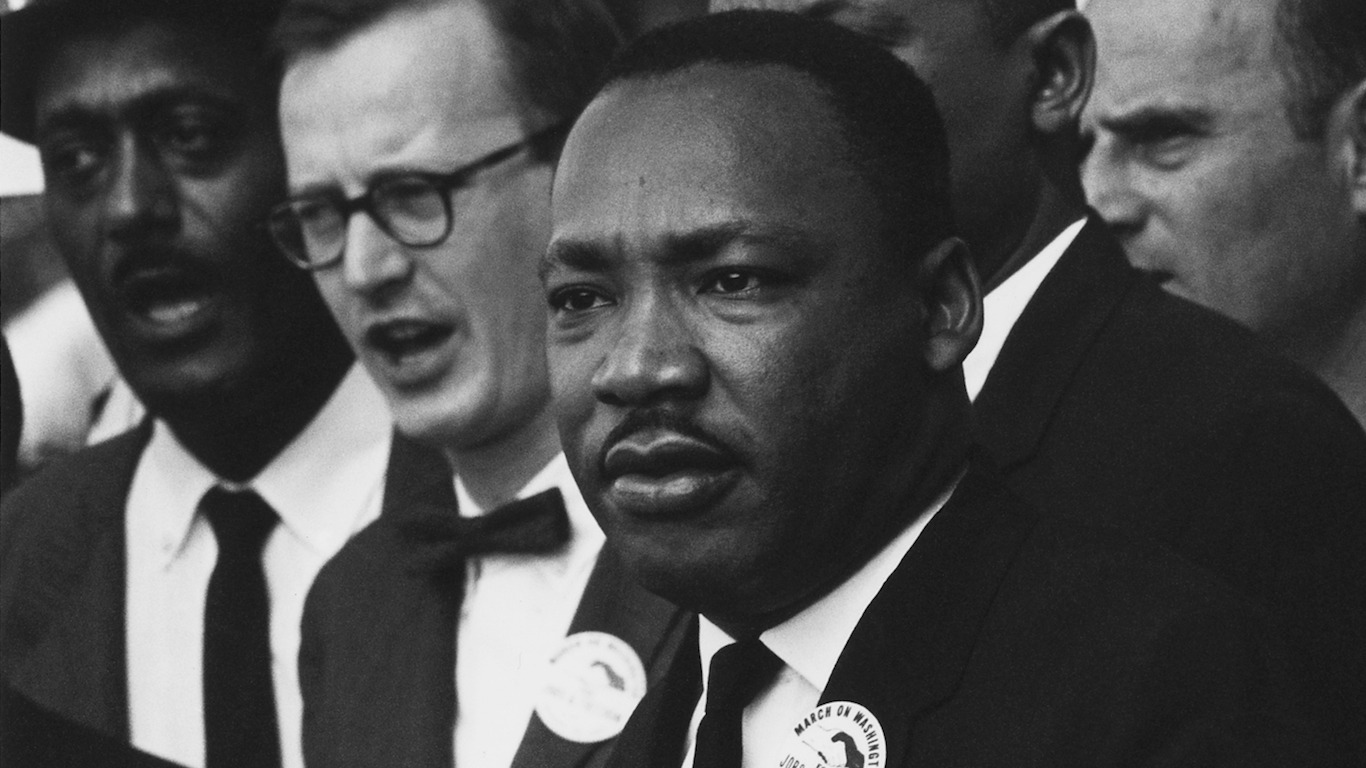
 The Martin Luther King, Jr., memorial was dedicated in Washington about the time that the Occupy Wall Street movement grew in southern Manhattan and elsewhere. It was a reminder of how effective public protests used to be and how they no longer are. The causes of the 1960s and 1970s that brought civil rights, feminists and gay rights advocates into the streets carried one message each.
A casual walk among the people rallied in the streets outside the doors of Wall St.’s major banks reveal nearly as many causes as there are protest participants. One woman with her two children believes that her student loans should be forgiven because she does not have a job. She is a one-person protest without other supporters. Some of the protesters believe that “Too Big Too Fail” is not a reasonable stance for the government to take with regard to major financial firms. Another person has a sign that shows how much CEO pay is up compared to other American workers. One of the largest placards reads “Man Is Born Free, but Everywhere I See Him in Chains.” What man? What chains? And, where is “everywhere”?
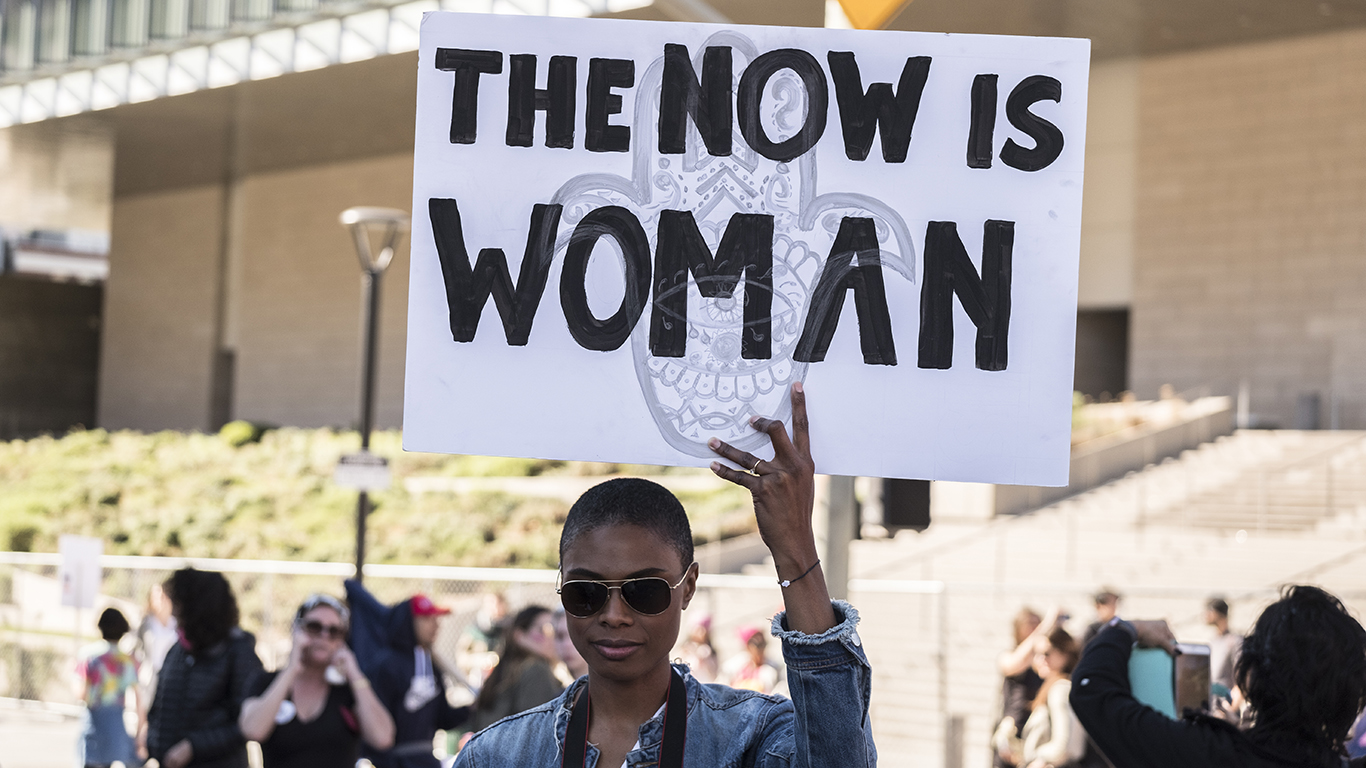
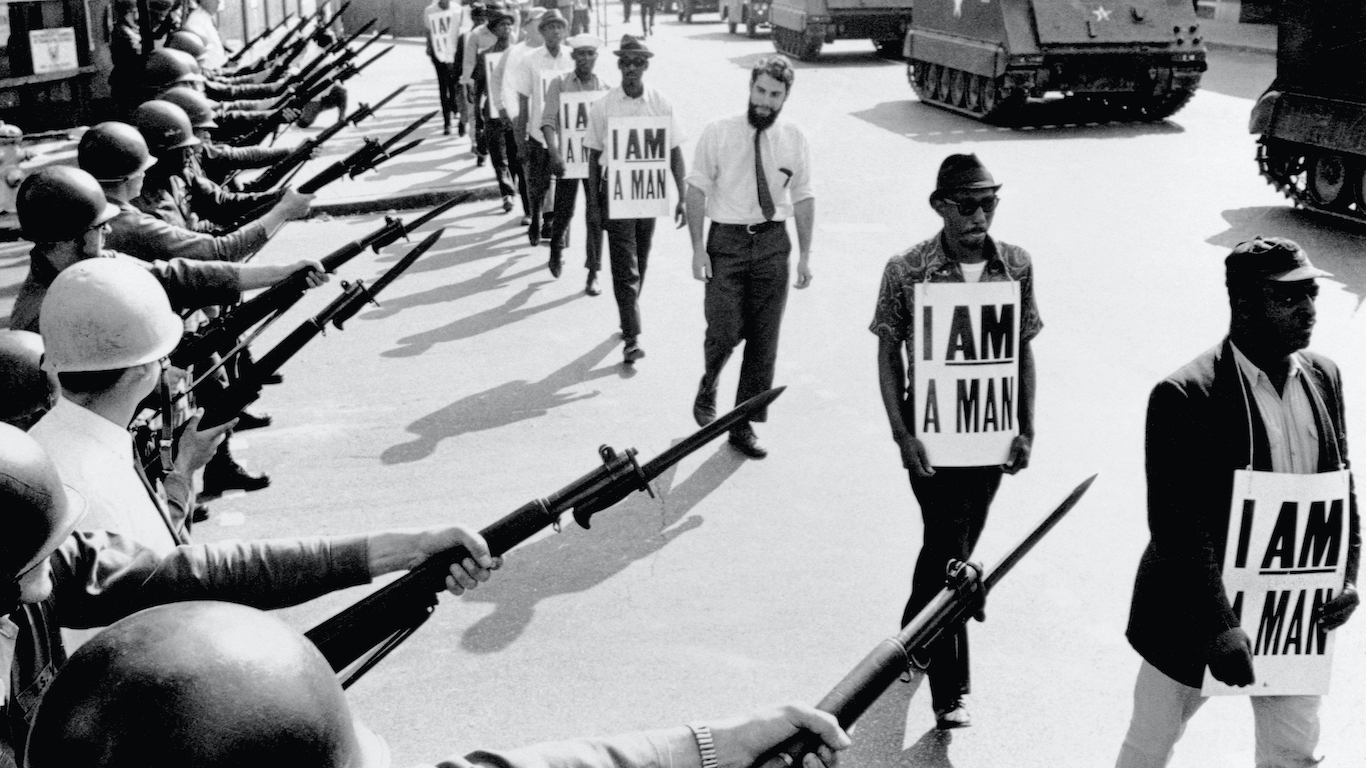
The civil rights protests had real purpose. Blacks faced discrimination throughout large portions of American society, but that changed somewhat between when the protests started in 1955 and ended in 1968. The agitation of women to improve their rights and the burgeoning feminist movement helped women get better wages and increased their opportunities for advancement in the work place. The gay rights movement helped bring about the end of much discrimination against gays in society, in the workplace and, to a lesser extent, the military.
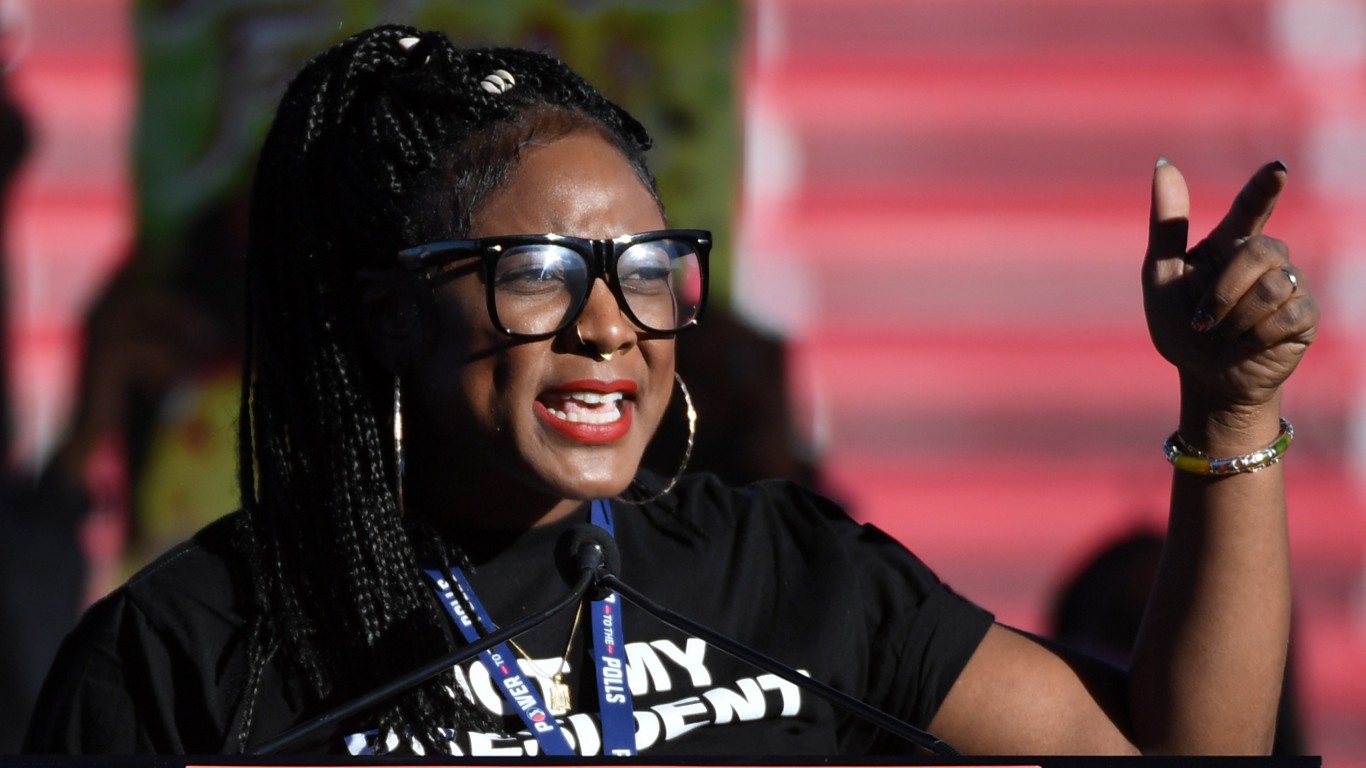
Americans have forgotten how to protest effectively. A mass of people who rally in a small area of New York with no unified message will lose the media’s attention soon. The rain and cold will thin the ranks of the protestors. By some time in November, Wall St. will be clear of the people who sleep in the street. And the woman who wants to have her loans forgiven will still owe them.
Douglas A. McIntyre








 Top Gaining Stocks
 Top Losing Stocks