


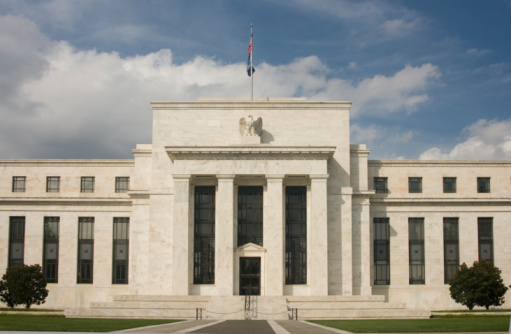
Dudley, among the most dovish of Fed presidents, said in a speech today that he thinks that the Fed has not been accommodative enough:
Despite an aggressive shift towards greater monetary policy accommodation in 2008 and 2009, and ongoing subsequent easing — which has supported a return to growth and helped to facilitate needed adjustments in housing and household balance sheets — the economic recovery has been consistently weaker than forecast. As a result, the Federal Reserve has fallen short of meeting its employment and inflation objectives. This suggests that with the benefit of hindsight, U.S. monetary policy, though aggressive by historic standards, was not sufficiently accommodative relative to the state of the economy.
The Fed is not solely to blame, however. In Dudley’s view, financial stability is a necessary prerequisite in order for monetary policy to work its way into the real economy. His analysis:
[T]he biggest lesson of the financial crisis has been that monetary policy cannot work properly when there is financial instability. When financial instability occurs, it disturbs market functioning and can also impair bank balance sheets. The result can be disruption to the financial intermediation function with resulting constraints on the availability of credit for households and businesses. This, in turn, can lead to further reductions in aggregate demand that put additional stress on the weakened financial system.
Without coming right out and saying it, Dudley appears to be arguing that the Fed should not have signaled that its asset purchases may begin to wind down later this year. Tightening monetary policy now could squelch already tepid growth and, by implication, an inflation target of 2.25% may be too low to juice growth.









 Top Gaining Stocks
 Top Losing Stocks