


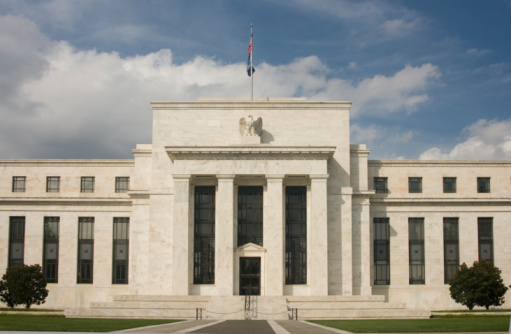
In a speech to the Council on Foreign Relations this morning, Fed Governor Jeremy Stein reminds the markets that the Fed consciously chose not to set a numerical target for what “substantial improvement” means when the Fed ratcheted up its asset purchases to $85 billion a month. Now, however, markets want to know “the conditions that would lead [the Fed] to reduce and eventually end” its purchases.
Stein defends Bernanke’s comments after the FOMC meeting and at his press conference as an effort to put some specificity in the notion of substantial improvement. Here is the money quote:
In addition to guidance about the ultimate completion of the program, market participants are also eager to know about the conditions that will govern interim adjustments to the pace of purchases. Here too, it makes sense for decisions to be data-dependent. However, a key point is that as we approach an FOMC meeting where an adjustment decision looms, it is appropriate to give relatively heavy weight to the accumulated stock of progress toward our labor market objective and to not be excessively sensitive to the sort of near-term momentum captured by, for example, the last payroll number that comes in just before the meeting.
Stein goes on to clarify this a bit more, saying that the accumulation of evidence will carry more weight than any data released shortly before the FOMC’s looming September meeting. He cautions market participants not to put too much emphasis on that new data as well. Stein concludes:
My only point is that consumers and businesses who look to asset prices for clues about the future stance of monetary policy should take care not to over-interpret these movements. We have attempted in recent weeks to provide more clarity about the nature of our policy reaction function, but I view the fundamentals of our underlying policy stance as broadly unchanged.







 Top Gaining Stocks
 Top Losing Stocks