



At the top of the list based on median household incomes sit nations with extraordinary natural resources or developed and modern companies that make products and create services, many of which do well as exports. Norway, with huge oil reserves, is at the top of the list with a median household income of $51,489. Its neighbor Sweden is second at $50,514. Also in the top 10 by household median income are northern Europe nations Denmark at $44,360 and the Netherlands at $38,584. Australia at $46,555 and Canada at $41,280 join the United States among global resource-rich nations.
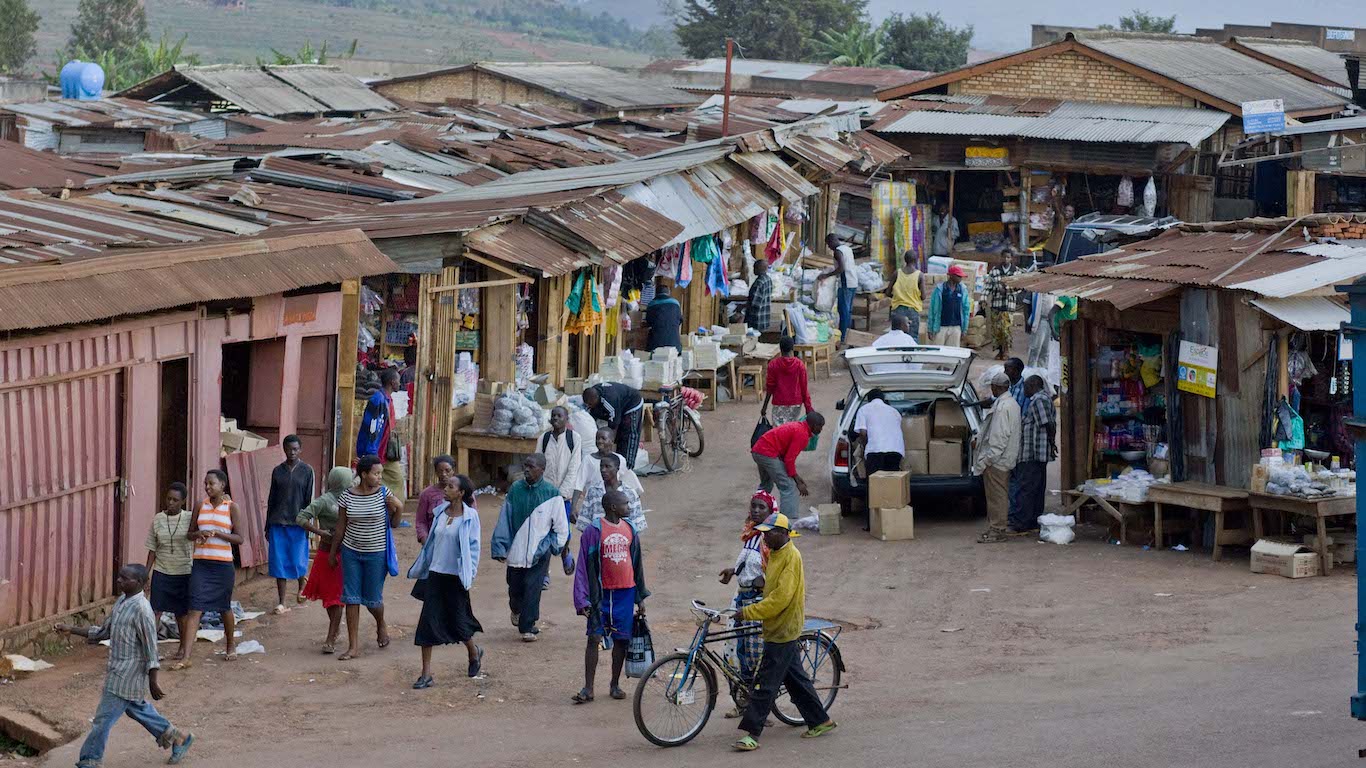
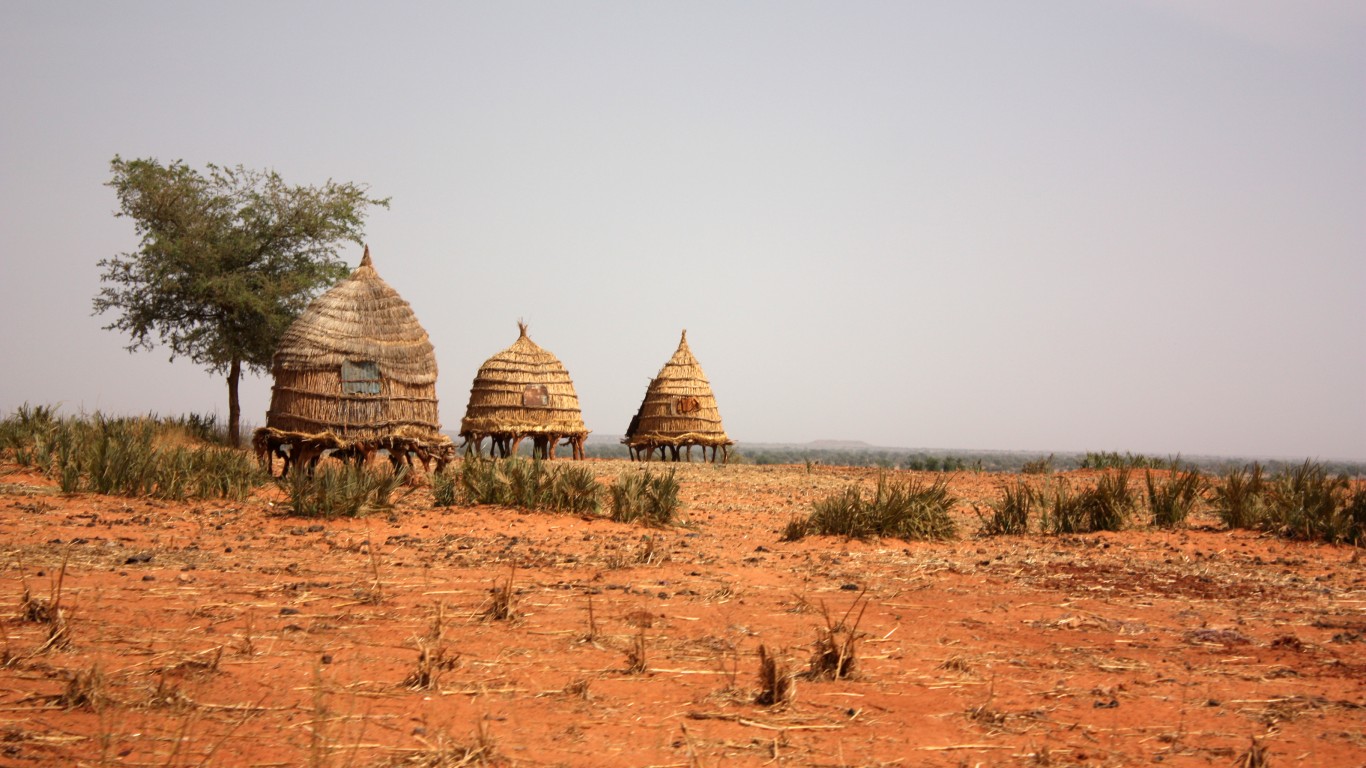
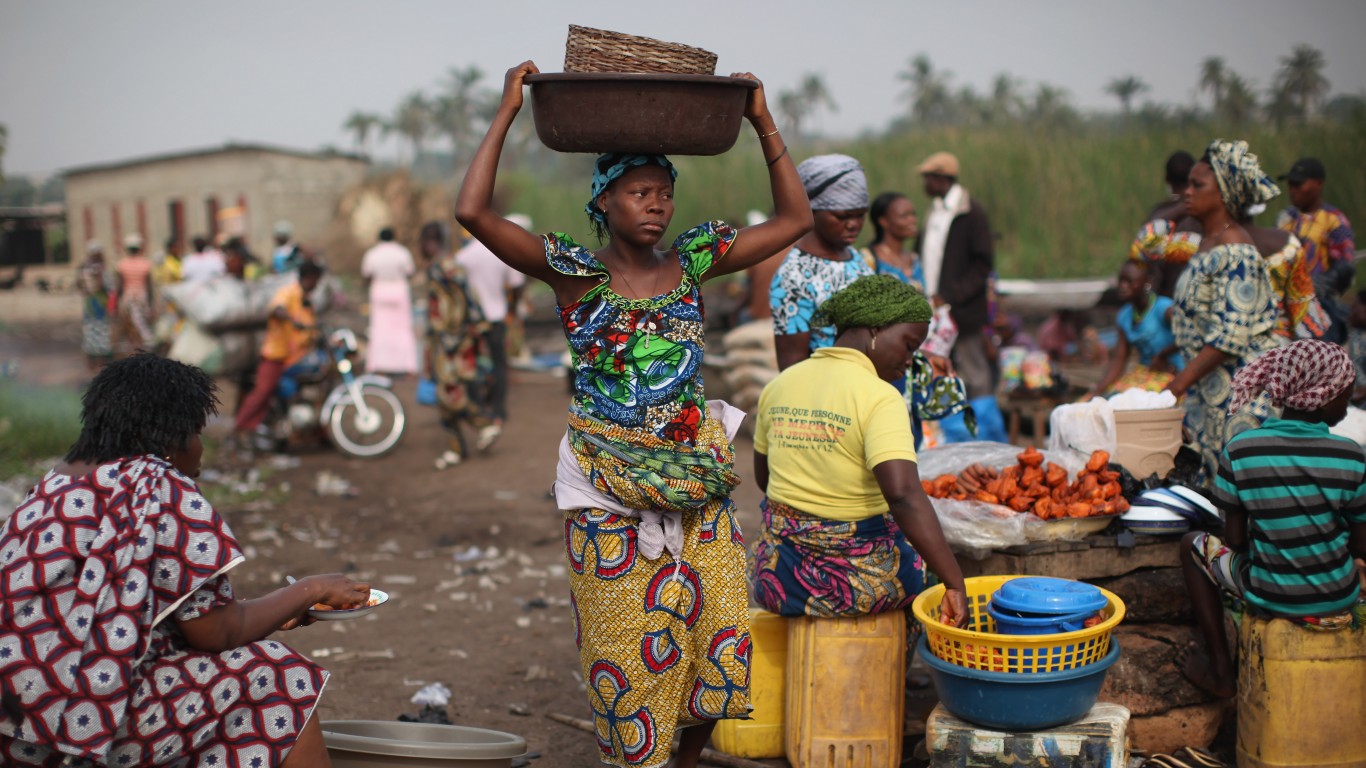
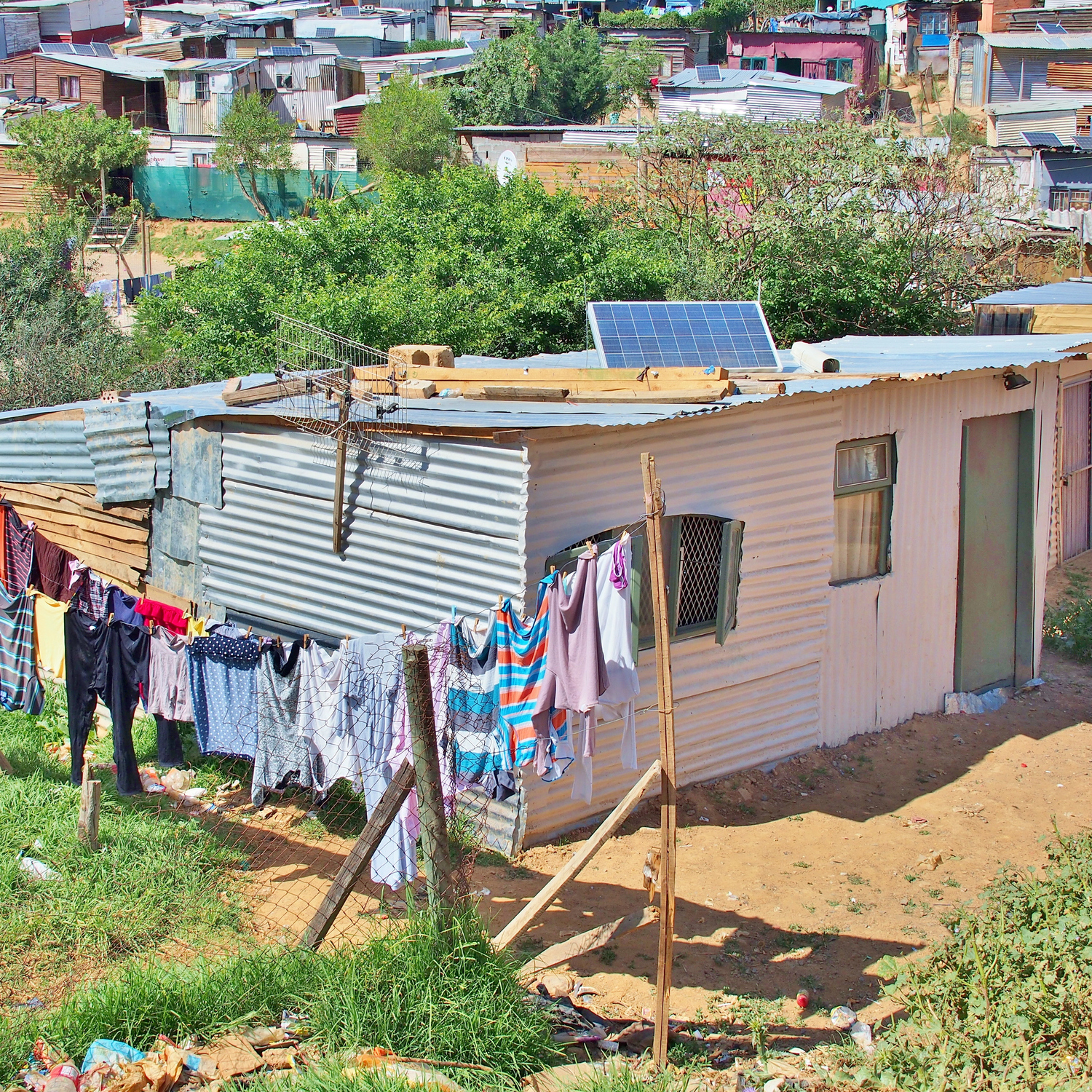
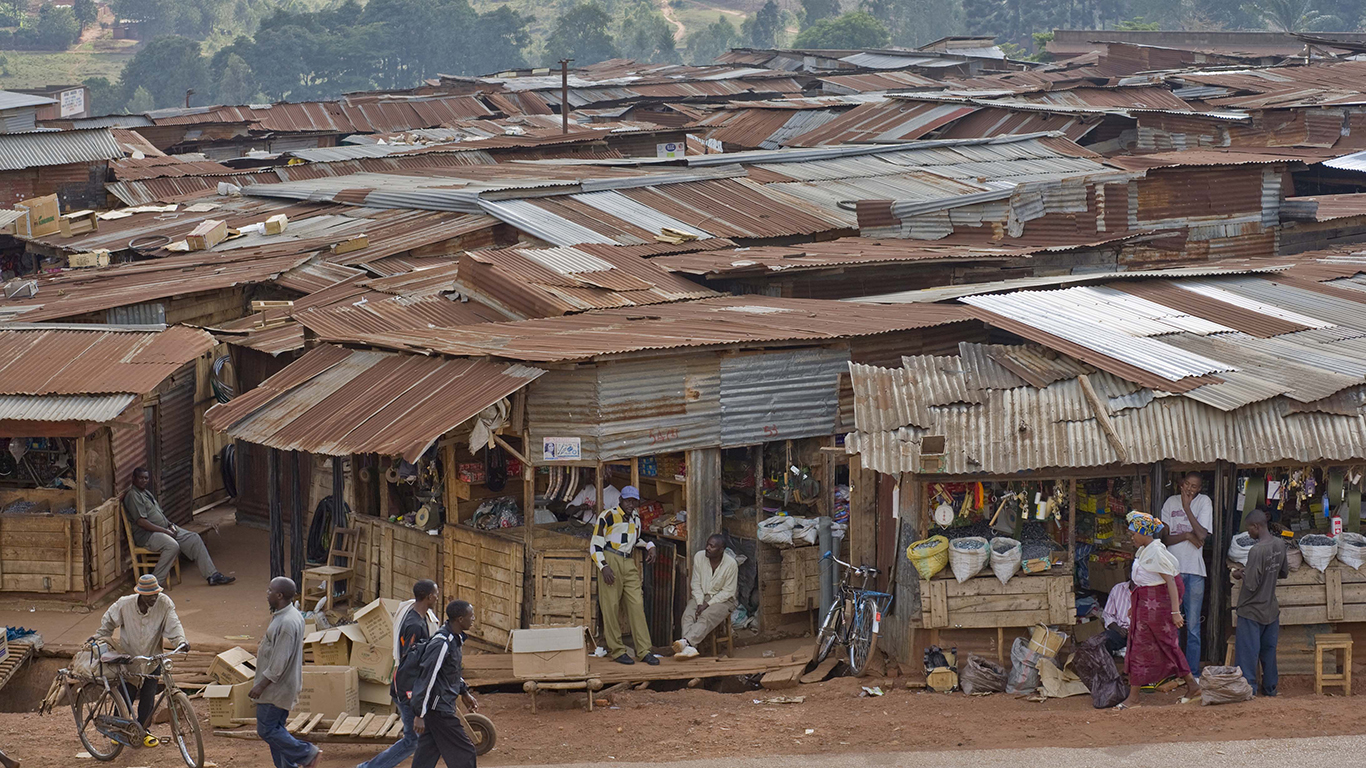
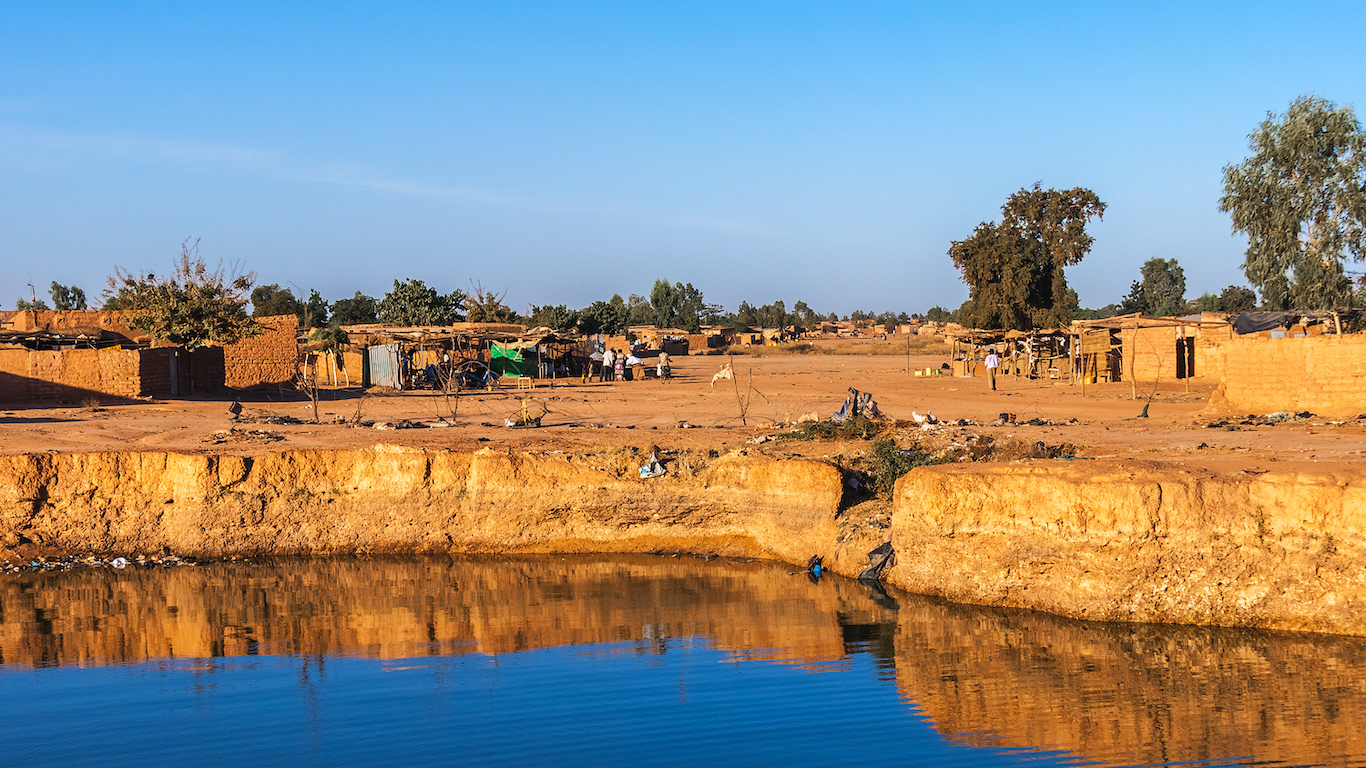
The nations with the lowest household median income are poor, almost beyond imagination. The median net worth in the African nation of Liberia is $781. African nations make up most of the balance of the bottom 10. Landlocked African nation Burundi has a population with a median household income of $673. Another landlocked African nation, Mali, has residents with a median household income of $1,983. What becomes evident across the poorest nations is not just that they are located in Africa, but they are landlocked, with no easy means to move either imports or exports, to the extent that they have exports without factories and with low-yielding farms or money for imports. Incidentally, many of these nations are in some stage of civil war, or are only a few years removed from one.
Gallup ties the median household income numbers to what it calls “population well-being” and “quality of life,” which may be entirely appropriate. Beyond that, however, is the fact there is no evidence that people in the poorest nations have any avenue to improved household incomes. People in countries that lack of any viable chance at world trade, and that have unstable governments, are unlikely to see their situations improve, perhaps ever.








 Top Gaining Stocks
 Top Losing Stocks