


How much cash are they sitting on? According Moody’s, a record-breaking $1.64 trillion at the end of 2013, up 12% of the previous record of $1.46 trillion set in 2012. The top 50 companies in the rankings hold about 64% of the cash, or $1.04 trillion. The figures do not include holdings by companies in the financial sector.
Some $947 billion, or 58% of the total, remains overseas, according to a Moody’s estimate. That is up from an estimated $840 billion a year ago. U.S. corporations would rather keep the money overseas rather than repatriate it and pay taxes on it. The companies instead lobby and whine for a tax holiday to bring the money home tax-free.
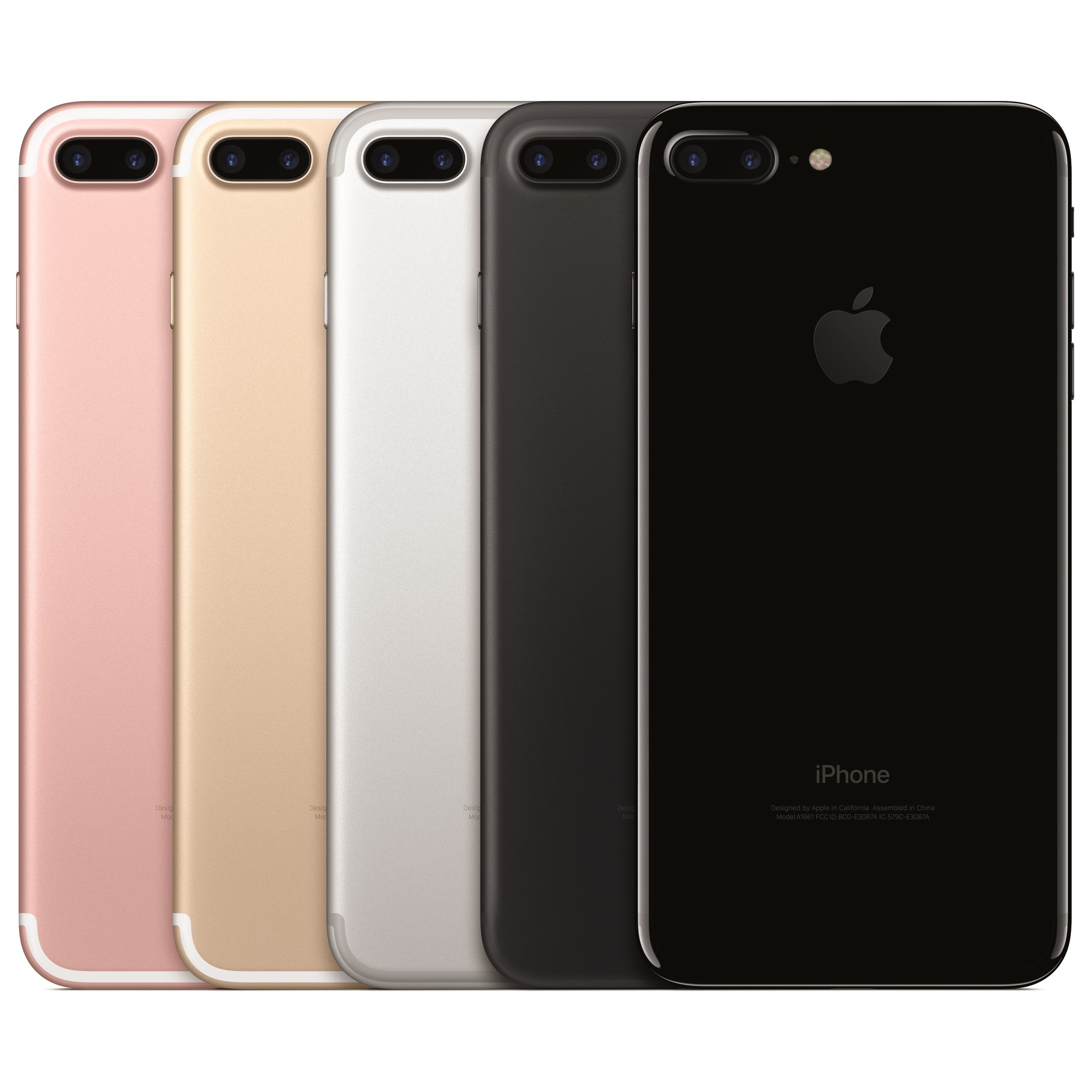
The list of hoarders is led by the usual tech suspects: Apple Inc. (NASDAQ: AAPL), Microsoft Corp. (NASDAQ: MSFT), Google Inc. (NASDAQ: GOOG) and Verizon Communications Inc. (NYSE: VZ). Pfizer Inc. (NYSE: PFE) rounds out the top five, which together account for $404 billion of the cash pile.
According to Moody’s, the tech sector held 39% of the total hoard, some $638 billion. The second-ranked sector — health care/pharmaceuticals — holds 15% of all that cash. Apple alone is sitting on $159 billion in cash, nearly 10% of the total, and more than the total of any other entire sector except technology and health care/pharmaceuticals.
U.S. corporations have been able to build up this pile even while spending heavily on capital improvements and dividends. Capital spending hit $869 billion in 2013, according to Moody’s, and dividend payments totaled $365 billion, both seven-year highs. Share buybacks rose 11% and spending on acquisitions fell 15%. Moody’s expects only a modest increase in these four categories in 2014 to around $1.7 trillion.
Capital spending dried up in 2009 and 2010 in the aftermath of the financial crisis as consumers kept their wallets in their pockets. As spending picked up in 2011 and later, capex spending picked up. But it has now flattened out. In 2012 the total reached $862 billion, only $7 billion below 2013 spending. Companies remain uncertain about growth and have elected to just sit on the cash rather than invest it.
A person in the prediction business might say that of all the probable outcomes, a tax holiday is the most likely. The last time that happened, in 2004, the 15 companies that got the greatest benefit from the repatriation of funds fired more than 20,000 employees and cut their research spending at a cost to the U.S. Treasury of $3.3 billion. But tax-free repatriation is the favorite of both investors and company managements, which means that it is also the favorite of politicians.







 Top Gaining Stocks
 Top Losing Stocks