


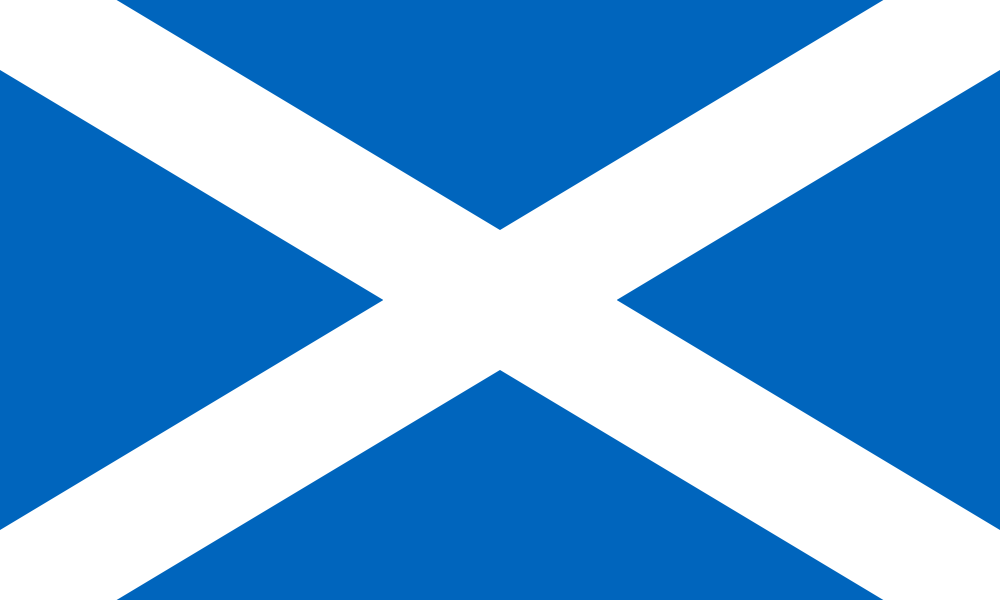
Unlike U.S. elections, where exit polls provide a running commentary on an election, rules governing U.K. elections are much stricter and prohibit reporting details on the voting until the polls close at 10 p.m. local time (5:00 p.m. ET).
More than 4.2 million Scots are registered to vote — about 98% of the eligible population aged 16 and older. The BBC reports that nearly 800,000 voters requested mail-in ballots, the largest number ever in Scotland.
About 475,000 people born in other parts of the United Kingdom and who now reside in Scotland are eligible to vote in the election. More than 715,000 who were born in Scotland but now live in other parts of the United Kingdom are not eligible to vote.
ALSO READ: The Best (and Worst) Countries to Find a Full-Time Job
Election officials expect the result to be reported by Friday breakfast time in Scotland. Recounts may be allowed at the local government level and only on the basis of concern about the process, not the closeness of the vote, according to the BBC. There are 32 local government areas in Scotland.
Perhaps the central issue facing voters is what currency Scotland will use. The independence movement wants to continue using sterling, but opponents point to the eurozone as an example of what happens when there is a currency union without a political union.
Scotland’s banks already hold liabilities 12 times bigger than the annual output of the Scottish economy, according to The Guardian. That’s far higher than either Ireland’s or Iceland’s total at the time of the financial crisis of 2007 – 2008. Some banks have even said they would move to England if the yes votes prevail. Earlier this week we detailed other economic concerns should Scotland vote in favor of independence.
Another issue is the size of the oil reserves off Scotland’s coast. One estimate puts the total at 24 billion barrels, with the potential for more once the area off Scotland’s west coast is fully explored. Another estimate puts the total at slightly more than 15 billion barrels. At around $100 per barrel the difference is significant.
Queen Elizabeth II has urged caution and tennis star Andy Murray has lodged his support for the independence movement. An early supporter of independence, Sir Sean Connery, will not make an appearance in Scotland to back the independence campaign, according to a report in the Edinburgh News. How big a deal is that? The paper cites one tweet: “My one disappointment of the Yes campaign – where’s Sir Sean Connery? Your people need to take direction from the greatest living Scot.”





 Top Gaining Stocks
 Top Losing Stocks