


Fortunately, the organization put most of its focus on a time-table which was less ambitious in its World Population Prospects, and only extends to 2050
In its 2015 revision of its population forecast, the U.N. expect the number to only hit 9.7 billion in 2050, compared to the current 7.3 billion. The U.N. even believes it knows where the numbers of people will grow. It will certainly not be in the old developed world of Europe, the U.S, and Japan. Rather:
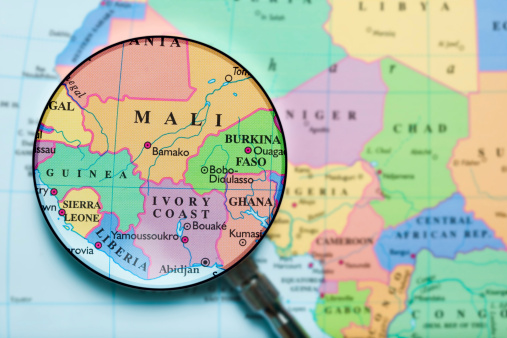
Population growth remains especially high in the group of 48 countries designated by the United Nations as the least developed countries (LDCs), of which 27 are in Africa. Although the growth rate of the LDCs is projected to slow from its current 2.4 per cent annually, the population of this group is projected to double in size from 954 million inhabitants in 2015 to 1.9 billion in 2050 and further increase to 3.2 billion in 2100. Between 2015 and 2100, the populations of 33 countries, most of them LDCs, have a high probability of at least tripling. Among them, the populations of Angola, Burundi, Democratic Republic of Congo, Malawi, Mali, Niger, Somalia, Uganda, United Republic of Tanzania and Zambia are projected to increase at least five-fold by 2100. The concentration of population growth in the poorest countries will make it harder for those governments to eradicate poverty and inequality, combat hunger and malnutrition, expand education enrolment and health systems, improve the provision of basic services and implement other elements of a sustainable development agenda to ensure that no-one is left behind
In other words, the lives of billions of additional people will get worse over time.
Fertility will affect whether the forecasts are right. However, more certain in the forecast is the rate at which people get older and live longer:
The number of persons aged 80 or over is projected to more than triple by 2050 and to increase more than seven-fold by 2100. Globally, the number of persons aged 80 or over is projected to increase from 125 million in 2015 to 434 million in 2050 and 944 million in 2100. In 2015, 28 per cent of all persons aged 80 and over lived in Europe, but that share is expected to decline to 16 per cent by 2050 and 9 per cent by 2100 as the populations of other major areas continue to increase in size and to grow older themselves.
A reading of the U.N.’s findings show its researchers are hedging their bets as the look eight decades out, and they add qualifiers. And, they have not done much to adjust for war, and an extremely, wild growth in hunger and petulance. That, by itself, is a sign of how wrong the forecast may be.














 Top Gaining Stocks
 Top Losing Stocks