


Not every car sold in India is made by one of the huge manufacturers in Europe, Japan or the United States. The sales these manufacturers have in China are greater. Taken together, however, the air pollution problems in the world’s two most populous nations may take a chunk out of global car sales.
In India’s capital, Delhi, the government imposed strict restrictions on car use. Cars will be broken into two groups, based on even and odd license plates. The system essentially cuts traffic in half. Cities in China have done essentially the same thing recently, including throttling traffic into the capital Beijing.
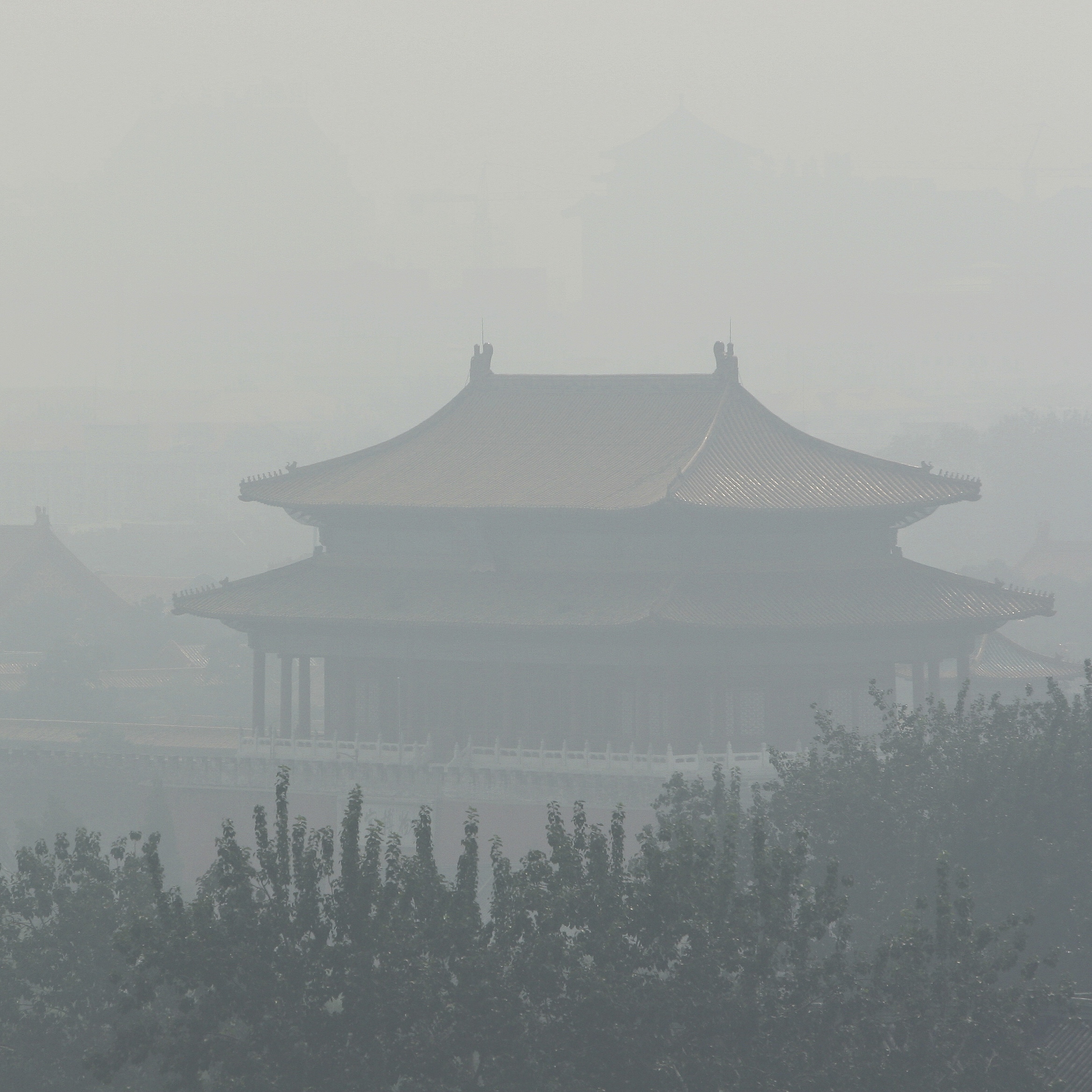
The World Health Organization recently issued a report that showed, based on micrograms per cubic meter, Delhi is the most polluted big city in the world, with a score of 153. Gwalior, another large city in India, posted a score of 144. By contrast, the Beijing number was 56 and New York was 14.
There were 21 million passenger cars sold in China last year, compared with 17.5 million in the United States. Only 3.2 million passenger cars were sold in India last year, though 19 million two-wheel vehicles were sold. Presumably, as roads improve, along with income, the passenger car segment in India will grow.
[nativounit]
Car sales in the European Union have rebounded from the Great Recession, and in strong months they grow by as much as 9%. Year over year, sales in the United States are growing more slowly. The Japanese car market is a disaster. The chance for rapid vehicle sales increases are outside the three mature markets. The industry’s focus is on China. That will change as the India market shifts more toward four-wheel vehicles. Large global manufacturers such as General Motors Co. (NYSE: GM), Ford Motor Co. (NYSE: F), Toyota Motor Corp. (NYSE: TM) and Volkswagen need to be successful in these markets to grow.
India and China cannot reduce air pollution by closing factories. Industrial production is too important to their economies. Neither country can rapidly move sources of heat from coal to substances that are less polluting. Those facts make cutting city traffic in half more critical. So much for rapid growth in China and India.






 Top Gaining Stocks
 Top Losing Stocks