


According to an analysis of unemployment rates by city, the lowest is Ames, Iowa, at 2.2%, as of December 2015.
In the 24/7 Wall St. report on the Cities With the Highest (and Lowest) Unemployment, our editors pointed out, the national unemployment rate in December was 4.8%, and:
To identify the best and worst job markets in the United States, 24/7 Wall St. reviewed the metropolitan statistical areas (MSA) with the highest and lowest unemployment rates as of December 2015 from the Bureau of Labor Statistics (BLS). Only the 381 metro areas reviewed by both the BLS and the U.S. Census were considered. Labor force changes also came from the BLS. Median household incomes, poverty rates, educational attainment rates, the percentage of households receiving SNAP benefits (food stamps), and the proportions of households earning less than $10,000 and more than $200,000 annually all came from the Census Bureau’s 2015 American Community Survey (ACS), the latest period available. Workforce composition also came from the ACS. Quarterly median home prices since 2005 came from the Federal Housing Finance Agency (FHFA).
[recirclink id=319847]
The cities with the lowest unemployment are:
5. Mankato-North Mankato, Minn.
> December 2015 unemployment rate: 2.5%
> Unemployment rate, December 2014: 2.6%
> Unemployment rate, December 2005: 3.2%
> Median household income: $54,055
> Poverty rate: 16.3%
> Pct. of adults with a bachelor’s degree: 31.0%Minnesota is one of several geographically contiguous states in the Midwest that weathered the financial crisis especially well and continue to have some of the nation’s lowest unemployment rates. The Mankato area’s unemployment rate of 2.5% is one of the lowest in the country and the second lowest in Minnesota after Fargo.
5. Provo-Orem, Utah
> December 2015 unemployment rate: 2.5%
> Unemployment rate, December 2014: 2.7%
> Unemployment rate, December 2005: 3.1%
> Median household income: $60,890
> Poverty rate: 12.5%
> Pct. of adults with a bachelor’s degree: 37.1%As in a number of other areas with healthy job markets, Provo-Orem workers are relatively well educated — 37.1% of adults have a bachelor’s degree versus 30.1% of adults nationwide. Of the area’s labor force, 3% are employed in the information sector, and 14% are employed in professional, scientific, and managements positions. These professions tend to pay higher wages.
3. Fargo, N.D.-Minn.
> December 2015 unemployment rate: 2.4%
> Unemployment rate, December 2014: 2.7%
> Unemployment rate, December 2005: 2.8%
> Median household income: $53,867
> Poverty rate: 12.5%
> Pct. of adults with a bachelor’s degree: 36.7%Tied with Burlington, the Fargo metro area’s unemployment rate of 2.4% trails only two other U.S. metros. Compared with other urban areas, home prices in Fargo are among the highest. Since 2005, home prices soared 35.1%, one of the largest increases nationwide and an indication of relative economic health. The rise could also help explain the low unemployment rate.
3. Burlington-South Burlington, Vt.
> December 2015 unemployment rate: 2.4%
> Unemployment rate, December 2014: 3.2%
> Unemployment rate, December 2005: 3.0%
> Median household income: $61,947
> Poverty rate: 10.4%
> Pct. of adults with a bachelor’s degree: 41.7%Burlington is the largest city in Vermont and home to the University of Vermont as well as several other educational institutions. This partially explains the area’s particularly high college attainment rate. More than two in every five adults have at least a college degree. This also helps explain the low unemployment rate, which at 2.4% trails only Lincoln and Ames. The Burlington area also benefits from a low poverty rate. Just 10.4% of people live in poverty, one of the lowest rates in the nation.
[recirclink id=320270]
2. Lincoln, Neb.
> December 2015 unemployment rate: 2.3%
> Unemployment rate, December 2014: 2.6%
> Unemployment rate, December 2005: 3.2%
> Median household income: $52,046
> Poverty rate: 14.0%
> Pct. of adults with a bachelor’s degree: 35.6%Like nearly every other low-unemployment area, Lincoln’s jobless rate of 2.3% is down from a year ago as well as from 2005. The area’s economy weathered the financial crisis extremely well, with the unemployment rate peaking at 4.2% in 2009, a time considered to be the depths of the downturn.
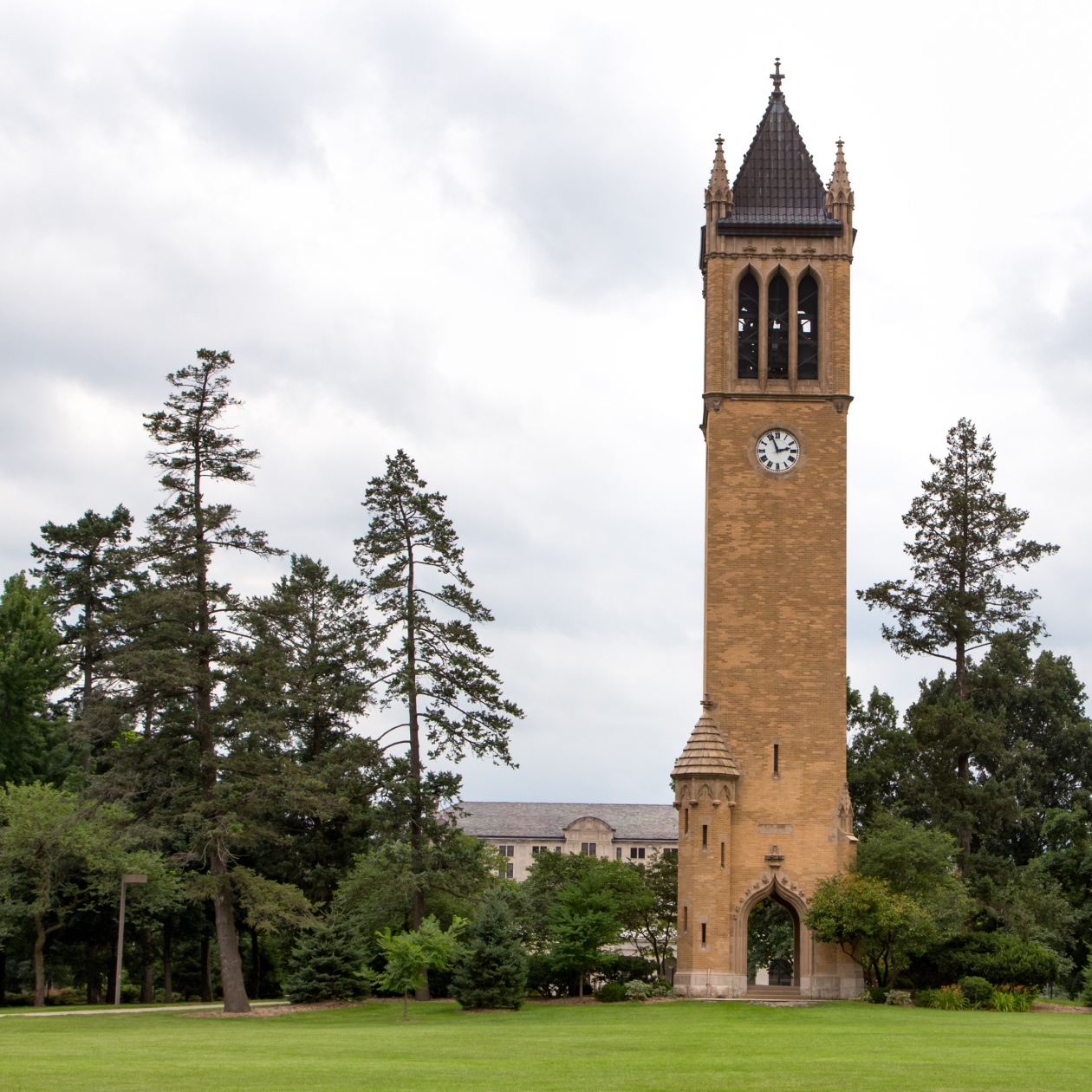
1. Ames, Iowa
> December 2015 unemployment rate: 2.2%
> Unemployment rate, December 2014: 2.6%
> Unemployment rate, December 2005: 2.8%
> Median household income: $46,091
> Poverty rate: 22.5%
> Pct. of adults with a bachelor’s degree: 47.9%No metro area has a lower unemployment rate than Ames, Iowa, where just 2.2% of the workforce is out of a job and looking for work, down from the year before and from 2005. Even in those years, the December jobless rates were among the lowest in the country. The area is home to numerous universities and educational institutions as well as major employers. This may partially explain the high educational attainment levels and low jobless rate. More than two in every five members of the labor force are employed in educational services and health care and social assistance. Of adults living in the area, nearly half have a bachelor’s degree.











 Top Gaining Stocks
 Top Losing Stocks