


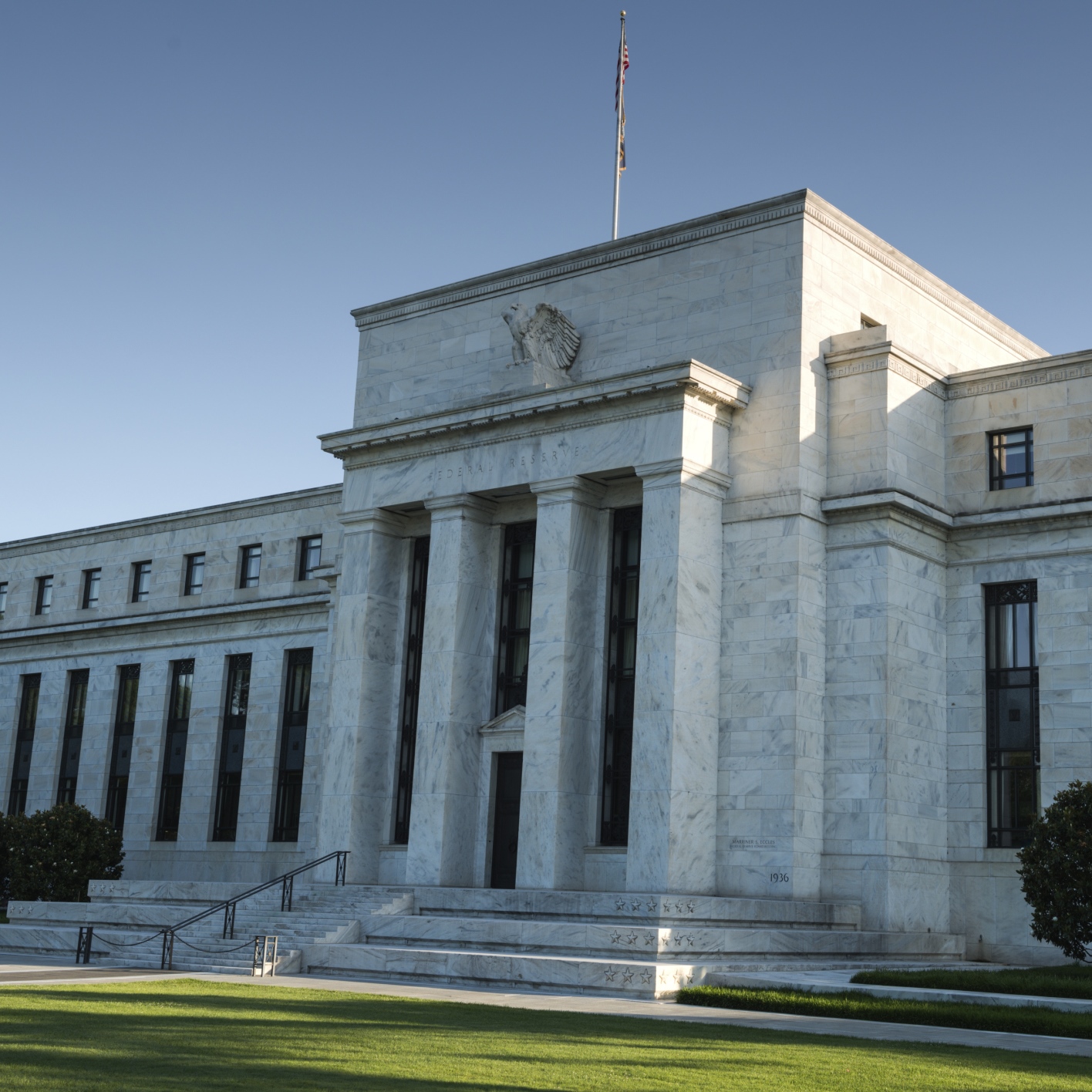
If you are among those who want the Federal Reserve to never raise interest rates again, you might not be pleased about the Minutes of the April 26 to 27 FOMC meeting. This does not of course mean that Fed Funds will be raised for sure, but the Fed outlined just how interest rates are likely to be raised at the June FOMC meeting.
This may fly against the pricing of Fed Funds futures with a formal rate of 0.50% or higher not being in the cards at a $99.61 futures price (under $99.50 would be for over 0.5% Fed Funds) for June. To make matters more tricky than in the past, the Fed has decided to currently use a range (0.25% to 0.50% now, was 0.00% to 0.25% for years before) rather than a formal number.
It should be noted that the minutes display much more of a bias toward hiking interest rates than the Fed’s statement from the actual meeting at the time.
[nativounit]
The official statement from the minutes showed that labor market conditions improved further in the first quarter even though real GDP growth appeared to have slowed. Consumer price inflation continued to be well under the 2.0% to 2.5% target.
There is one statement that matters here for the timing of a would-be rate hike:
Most participants judged that if incoming data were consistent with economic growth picking up in the second quarter, labor market conditions continuing to strengthen, and inflation making progress toward the Committee’s 2 percent objective, then it likely would be appropriate for the Committee to increase the target range for the federal funds rate in June.
24/7 Wall St. decided to focus on comments involving June. This full paragraph shows how much of a focus was made on June, noting the month by name on 4 occasions:
Participants agreed that their ongoing assessments of the data and other incoming information, as well as the implications for the outlook, would determine the timing and pace of future adjustments to the stance of monetary policy. Most participants judged that if incoming data were consistent with economic growth picking up in the second quarter, labor market conditions continuing to strengthen, and inflation making progress toward the Committee’s 2 percent objective, then it likely would be appropriate for the Committee to increase the target range for the federal funds rate in June. Participants expressed a range of views about the likelihood that incoming information would make it appropriate to adjust the stance of policy at the time of the next meeting. Several participants were concerned that the incoming information might not provide sufficiently clear signals to determine by mid-June whether an increase in the target range for the federal funds rate would be warranted. Some participants expressed more confidence that incoming data would prove broadly consistent with economic conditions that would make an increase in the target range in June appropriate. Some participants were concerned that market participants may not have properly assessed the likelihood of an increase in the target range at the June meeting, and they emphasized the importance of communicating clearly over the intermeeting period how the Committee intends to respond to economic and financial developments.
An additional note showed the subjective measures for June:
It was noted that communications could help the public understand how the Committee might respond to incoming data and developments over the upcoming intermeeting period. Some members expressed concern that the likelihood implied by market pricing that the Committee would increase the target range for the federal funds rate at the June meeting might be unduly low.
As a reminder, Esther George was the only Fed president on the FOMC who voted for a rate hike in June. Outside of Janet Yellen, those voting to not raise rates were as follows: William C. Dudley, Lael Brainard, James Bullard, Stanley Fischer, Loretta J. Mester, Jerome H. Powell, Eric Rosengren, and Daniel K. Tarullo.






 Top Gaining Stocks
 Top Losing Stocks