


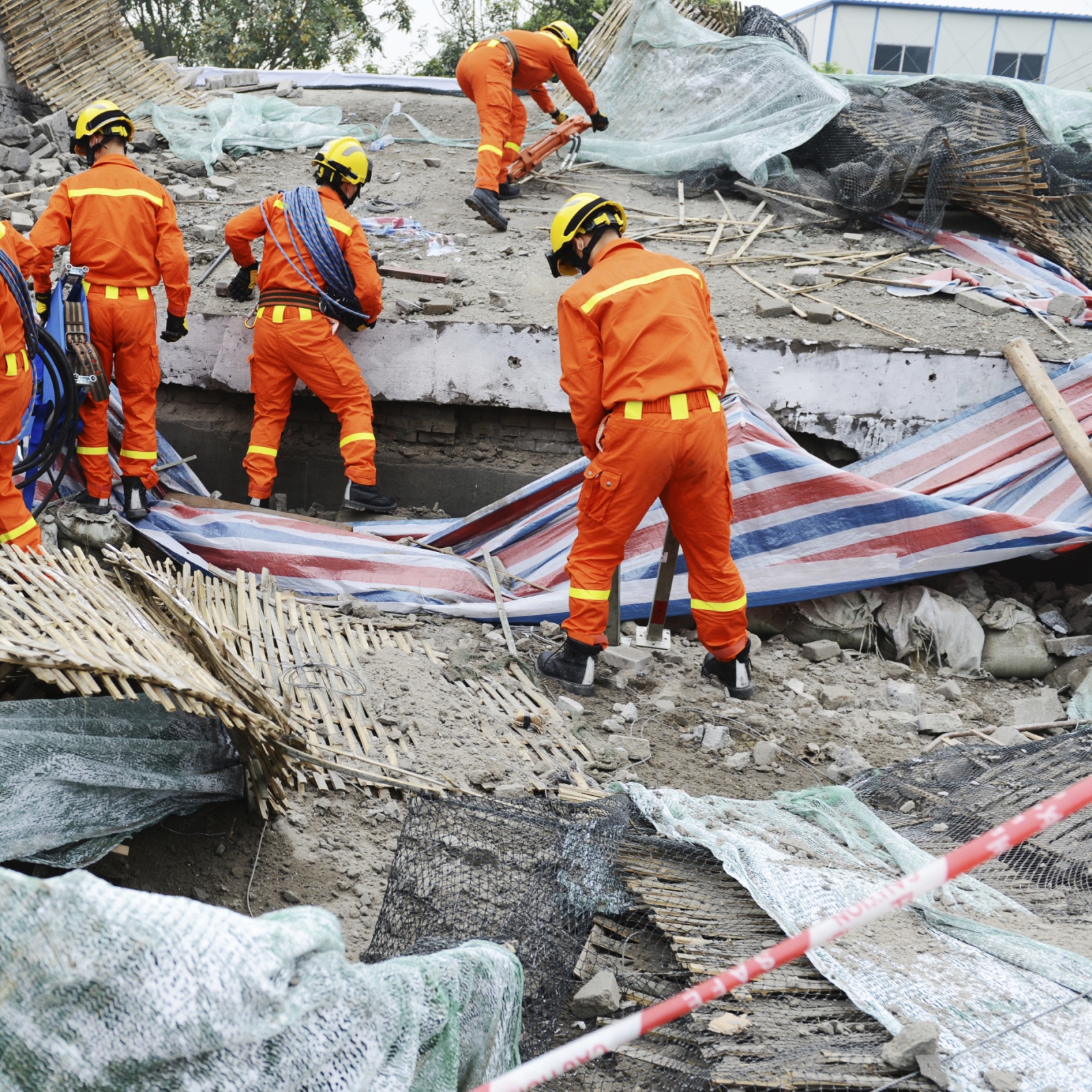
In the 24/7 Wall St. article “The States Least Prepared for Disaster,” several states ranked at the other end of the spectrum. They might be called the states best prepared for disaster.
The criteria for the “best” involved several factors, according to the 24/7 Wall St. research:
To determine which states are best prepared for an environmental disaster or a public health emergency, 24/7 Wall St. rated states based on criteria determined by the National Health Security Preparedness Index, a program of the Robert Woods Johnson Foundation. For each state, we reviewed certain disaster preparedness policies, such as whether the state mandates child-care facilities to have emergency evacuation plans, whether state public health labs have enough staff to properly combat a serious disease outbreak, and whether the state has a firm plan to combat issues that can stem from climate change. Currently, just 15 states have such a plan.
Base on the data, these are the five best prepared, with essential information about why they did so well. Vermont leads the list:
1. Vermont
> All-hazards preparedness funding for FY 2015: $5,102,037
> Pct. change in hazard preparedness funding FY 2014-FY 2015: 0.3%
> EMTs per 100,000 residents: 99.0 (13th highest)
> Most common natural disasters: Flooding2. New York
> All-hazards preparedness funding for FY 2015: $29,422,240
> Pct. change in hazard preparedness funding FY 2014-FY 2015: -0.6%
> EMTs per 100,000 residents: 72.2 (17th lowest)
> Most common natural disasters: Winter storms
[recirclink id=333155]
3. Kentucky
> All-hazards preparedness funding for FY 2015: $11,366,101
> Pct. change in hazard preparedness funding FY 2014-FY 2015: -0.1%
> EMTs per 100,000 residents: 103.3 (8th highest)
> Most common natural disasters: Tornadoes, flooding4. Maine
> All-hazards preparedness funding for FY 2015: $5,784,996
> Pct. change in hazard preparedness funding FY 2014-FY 2015: -0.3%
> EMTs per 100,000 residents: 123.3 (4th highest)
> Most common natural disasters: Winter storms5. North Carolina
> All-hazards preparedness funding for FY 2015: $21,063,010
> Pct. change in hazard preparedness funding FY 2014-FY 2015: -0.2%
> EMTs per 100,000 residents: 102.4 (9th highest)
> Most common natural disasters: Hurricanes
Methodology:
To determine the states most and least prepared for disaster, 24/7 Wall St compiled an index of 16 measures related to disaster preparedness. The measures were culled from two model studies, the Trust for America’s Health 2012 Ready or Not? Protecting the Public’s Health from Diseases, Disasters, and Bioterrorism report and the National Health Security Preparedness Index, both programs of the Robert Wood Johnson Foundation. In every case, data were extracted from the original source, and updated to reflect the most recent available data. The level of funding for public health services for fiscal years 2014 and 2015, the number of minutes for public health staff to report for duty, and the share of 19 to 35 month olds vaccinated against pertussis came from the Center for Disease Control. Data on whether or not a state requires Medicaid coverage to include flu shots with no co-pay for beneficiaries under the age of 65 came from the Kaiser Family Foundation. Data on whether or not a state has a complete climate change adaptation plan came from the Center for Climate and Energy Solutions. Data on whether or not a state mandates its child-care centers to have a multi-hazard written evacuation and relocation plan came from the Readiness and Emergency Management for Schools Technical Assistance Center. Data on a state accreditation came from the Emergency Management Accreditation Program. Data on Nurse Licensure Compacts came from the Nurse Licensing Map website. Self-reporting from states on their capacity to respond to a disease outbreak and maintenance of LRN-C chemical capability came from the Trust For America’s Health 2012 report. The number of staffed beds came from the American Hospital Directory, and was adjusted for population using data from the Census Bureau. The number of emergency management directors, emergency medical technicians, physicians, and surgeons came from the Bureau of Labor Statistics and were adjusted for population with Census Bureau data. Data on biosafety training came from the Trust for America’s Health 2015 Outbreaks: Protecting Americans from Infectious Diseases report. The most common natural disasters in a state, which were not included in the index, came from the Federal Emergency Management Agency, and other sources.
See all of “The States Least Prepared for Disaster.”








 Top Gaining Stocks
 Top Losing Stocks