



[cnxvideo id=”506829″ placement=”ros”]The National Federation of Independent Business (NFIB) Tuesday morning reported that its small business optimism index for December rose 7.4 points from 98.4 in November to come in at 105.8. The December reading comes on top of a 3.5 point rise in November and is the highest index reading since 2004.
The four “hard” measures of the index posted mixed results last month. The job creation component rose by one point month over month in November to 16%, the job openings component fell two points to 29, capital spending plans rose five points to 29% and inventory investment plans remained flat at 4%.
Some 26% of small business owners reported raising employees’ pay in the past three months. That’s up five points on a seasonally adjusted basis from the November total. Some 20% are planning to raise wages in the next three months, up five points month over month.
[nativounit]
In its comments on the report, NFIB noted:
Optimistic consumers and business owners are more likely to bet (spend and hire) on a future that seems to hold promise, but to maintain the enthusiasm, reality will play an important supporting role. The appearance of a new customer is much more powerful than the expectation of one. And actual results in Washington D.C. will be much more supportive than “hope and no good change” as we have discovered.
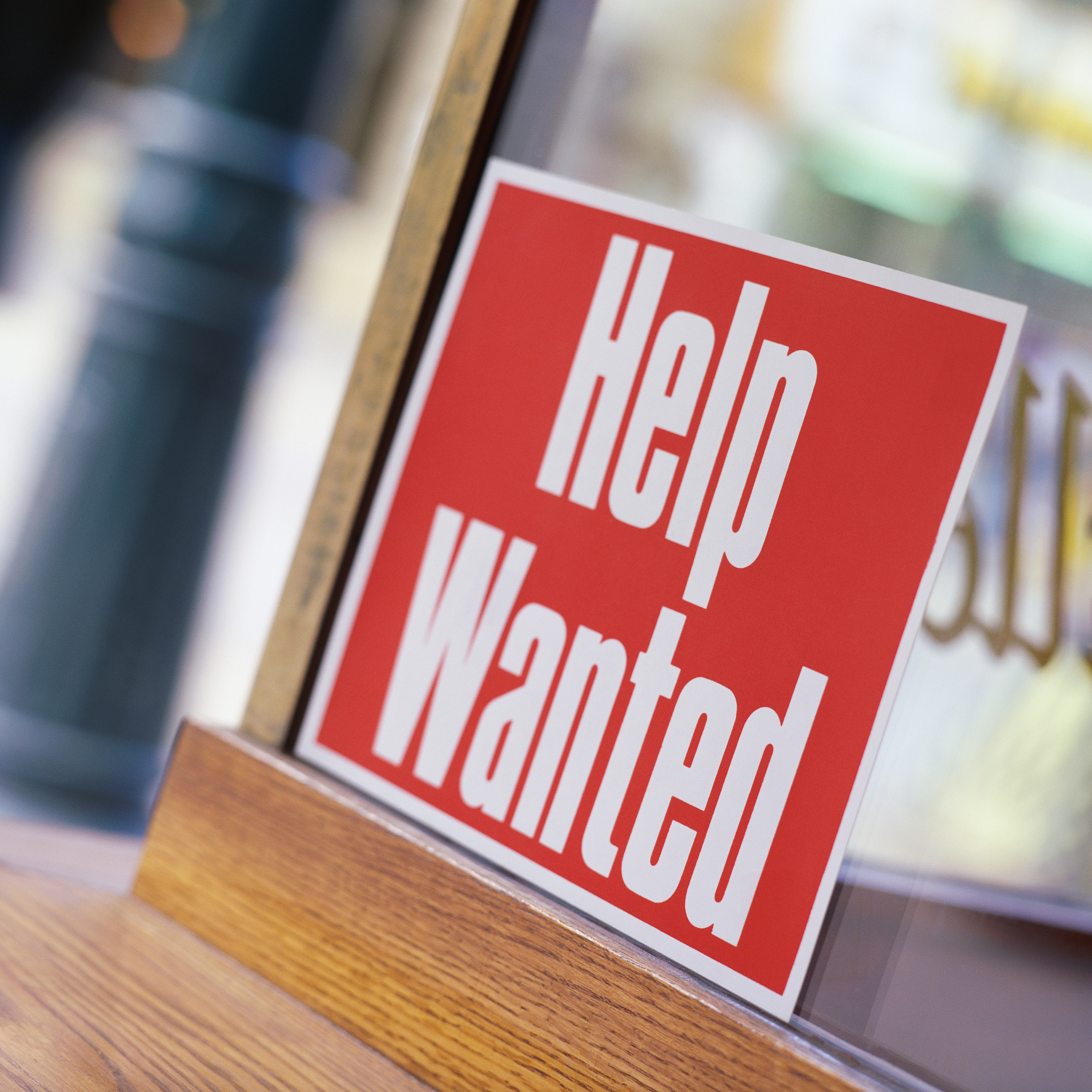
The NFIB reports that 29% of business owners currently have positions open that they are not able to fill (down two percentage points from November) and that 44% said there were few or no qualified applicants for the open positions, down eight points from the prior month’s total.
Business owners said their single most important problem is taxes (21%), followed by government regulations and red tape (19%). Quality of labor (12%) and poor sales (12%) were the third most-cited problems. The least important problems are financing and interest rates and inflation, both at 2%.
[wallst_email_signup]






 Top Gaining Stocks
 Top Losing Stocks