


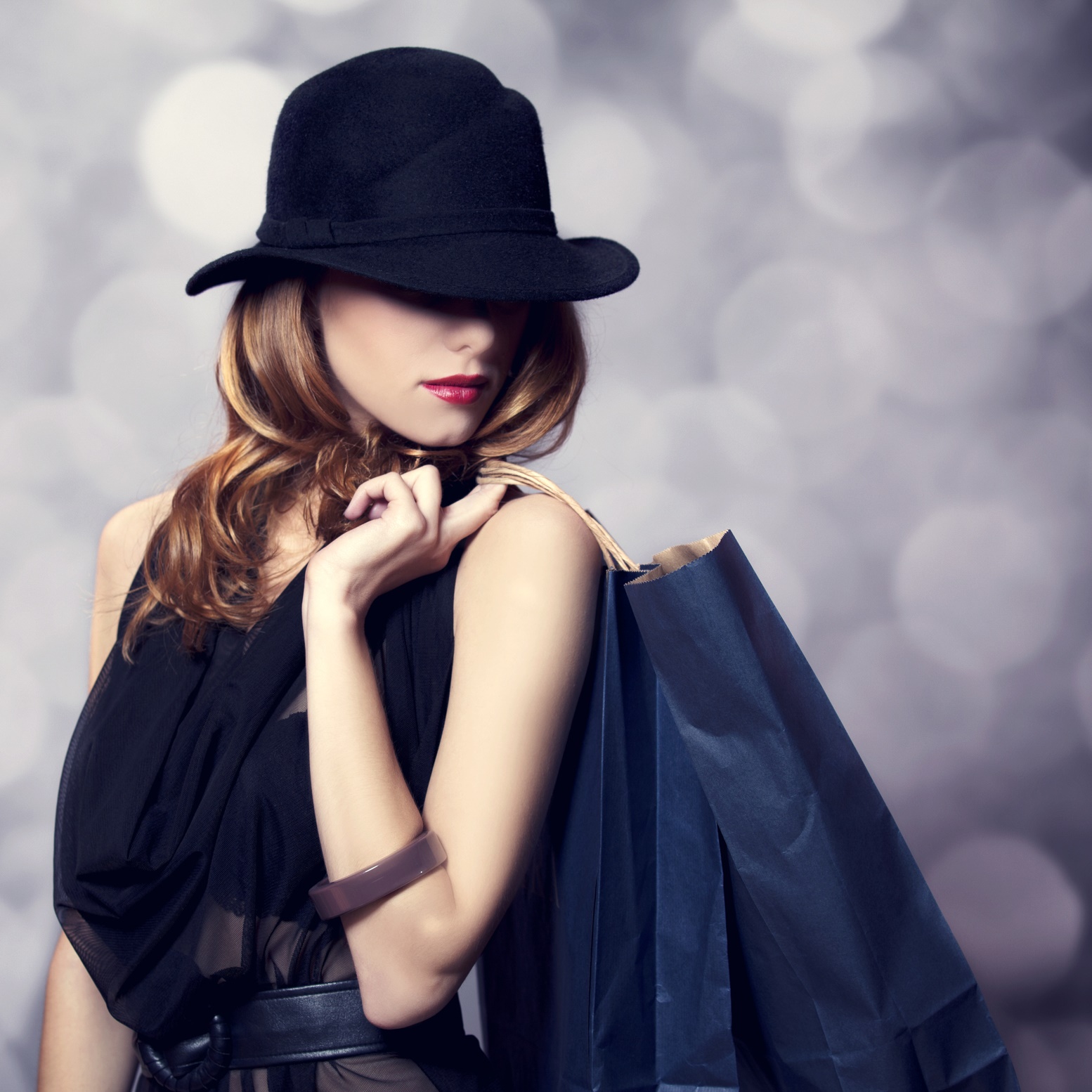
Having overtaken boomers in sheer numbers sometime last year, millennials now hold the key to U.S. consumer spending, the engine that drives nearly 70% of U.S. gross domestic product (GDP). Can the youngsters take the pressure? Can they, at the same time, save the declining market for luxury goods?
In a May report, researchers at Bain & Co. noted that the U.S. market for luxury goods continues to underperform. In the Americas region, growth for 2017 is forecast to be no better than flat with last year and could fall by 2%.
Retail analytics firm EDITED reports that full-price sellouts of luxury goods fell 7.8% year over year in the first half of 2017. So where do millennials figure in?
Bain notes that, “… brands must rethink their strategies and adapt to a millennial state of mind ….” upon which sales of luxury items depend:
Success in the next decade requires brands to refocus on their customers to better anticipate and cater to their needs. The younger generation will be key as millennials and Gen Z will represent 45 percent of the global personal luxury goods market by 2025. Still, when analysing behaviours, it is more correct to talk about a “millennial state of mind,” which is increasingly permeating across all generations and is thus more a psychographic phenomenon rather than a purely demographic one.
[nativounit]
What are millennials buying? According EDITED data compiled from an analysis of 30 U.S. luxury women’s apparel retailers encompassing more than 5,000 brands, the greatest opportunity for luxury sales came in the accessories department. Katie Smith, senior retail analyst at EDITED, explains:
With its low prices and swiftly developing trends, fast fashion has facilitated this demographic’s endless switching up of garments. But that’s not to say the millennial shopper isn’t attuned to the finer things in life, which is where luxury accessories play a key role. For millennials, these kinds of items represent better luxury value as they’re a way to affiliate with a brand or lifestyle but can be worn across multiple looks and in different stylings.
Here are some numbers to back that up:
- Full-price sellouts of apparel were down 34.5% year over year.
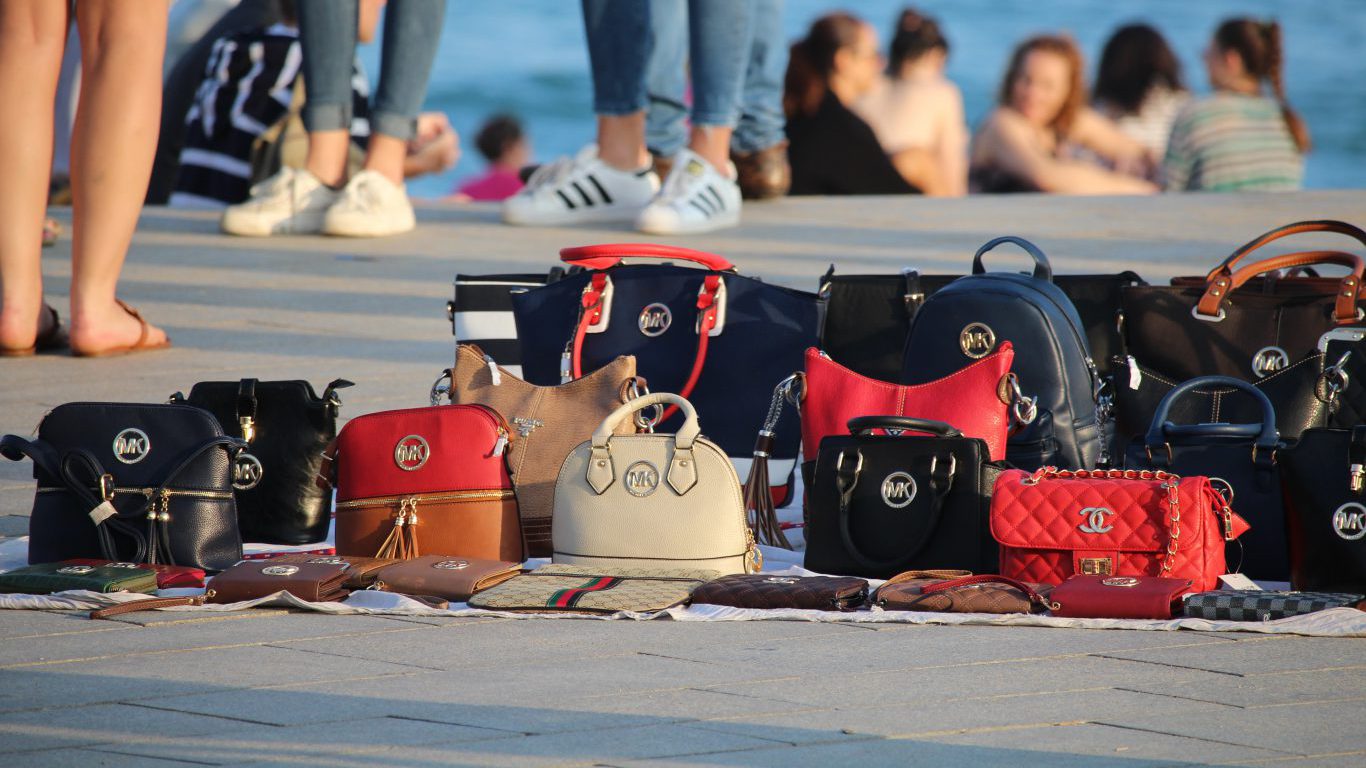
- Full-price sellouts of luxury bags rose 22% while hats and scarves rose 20% and 83% respectively.
- Full-price sellouts of luxury bags had an average sales price of $1,465.07, while the average for hats was $398.55 and for scarves, $664.12.
The five best performing luxury brands in the first quarter of 2017 were Louis Vuitton, Gucci, St. Laurent, Valentino and Dolce & Gabbana.
[recirclink id=407729]
[wallst_email_signup]







 Top Gaining Stocks
 Top Losing Stocks