


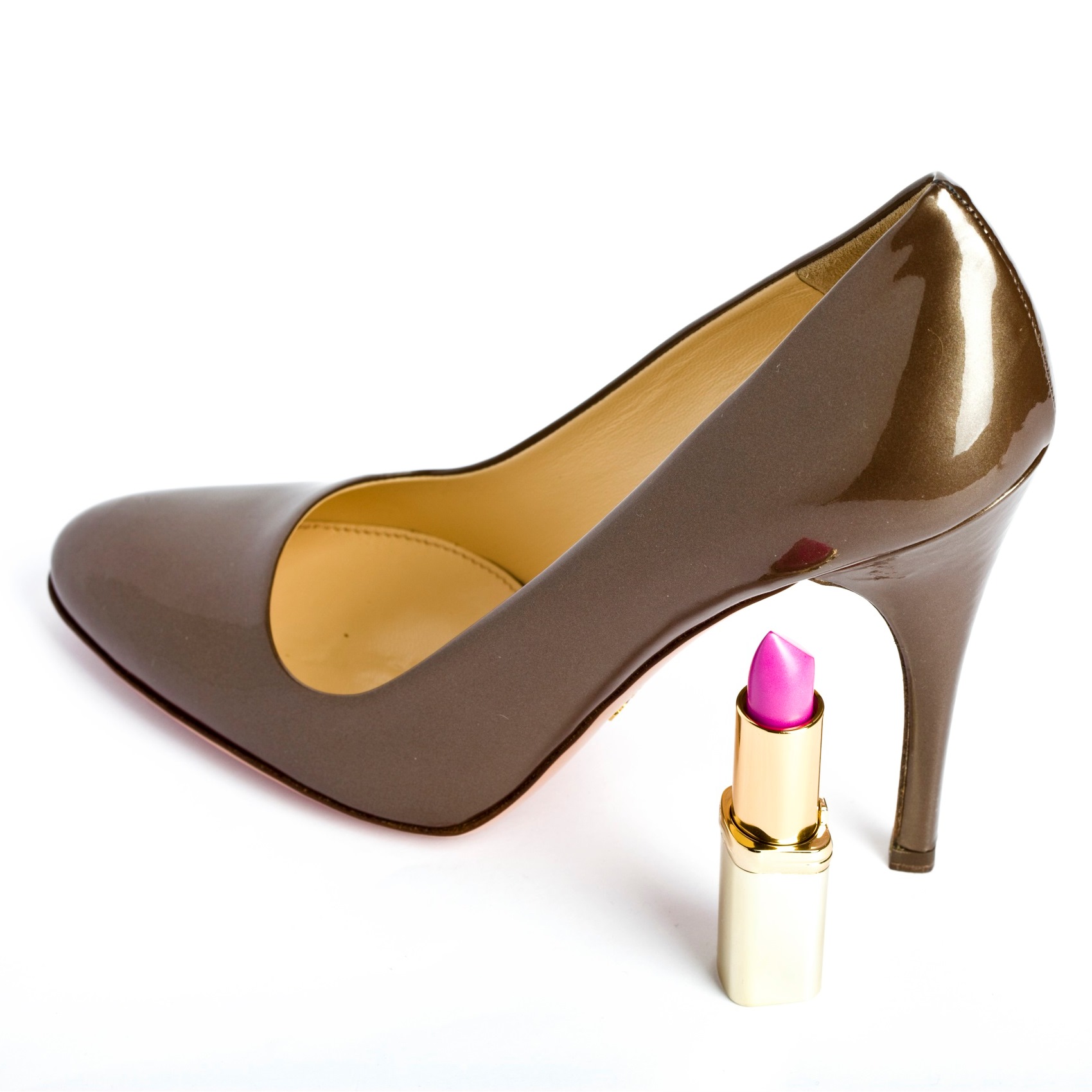
Sales of luxury items such as fashion accessories, apparel, beauty products, jewelry and watches were slow to gain traction online, but that situation appears to be in the rear-view mirror, according to a new study. According to a report by the Luxury Institute cited by eMarketer, affluent shoppers made 38% of their luxury purchases online last year.
One hurdle that luxury goods makers have apparently overcome is the fear of counterfeited items. Partly that’s due to aggregation of luxury goods at aggregation sites like Yoox Net-a-Porter and the luxury goods makers selling from their own websites. Massive sites like Amazon and Alibaba have been reluctant to provide the kind of policing against fake products that luxury goods makers insist on.
Other influences on growth of online sales are higher sales to younger consumers and more sales of goods classified as “affordable luxury” to those younger consumers. Affordable luxury items include ready-to-wear apparel, beauty products and accessories. Online sales accounted for 12.0% of all affordable luxury sales, compared with 10.6% of “aspirational luxury” goods and 5.1% of “absolute luxury” items.
[nativounit]
eMarketer cited a report from McKinsey that put the total of all luxury goods sales in 2016 at €254 billion, of which 8% (€20 billion) were made online. The projection for 2020 calls for total luxury goods sales of €312 billion, of which 12% (€37 billion) will be made online. By 2025, online sales of luxury items will total €74 billion, or 19% of €383 billion worth of luxury goods sold.
Another interesting data point is the similarity between millennial and baby boom shoppers when it comes to luxury items. Millennials used an average of four devices and spent 17.5 hours a week online (not all that time shopping), while boomers used an average of 3.5 devices and spend 16.4 hours a week online. Milton Pedraza, CEO of the Luxury Institute, noted “The older people have always been tech savvy. They also have most of the money still.”
More than any other retail category, perhaps, luxury goods, by definition, must follow the money.
[recirclink id=418159]
[wallst_email_signup]









 Top Gaining Stocks
 Top Losing Stocks