



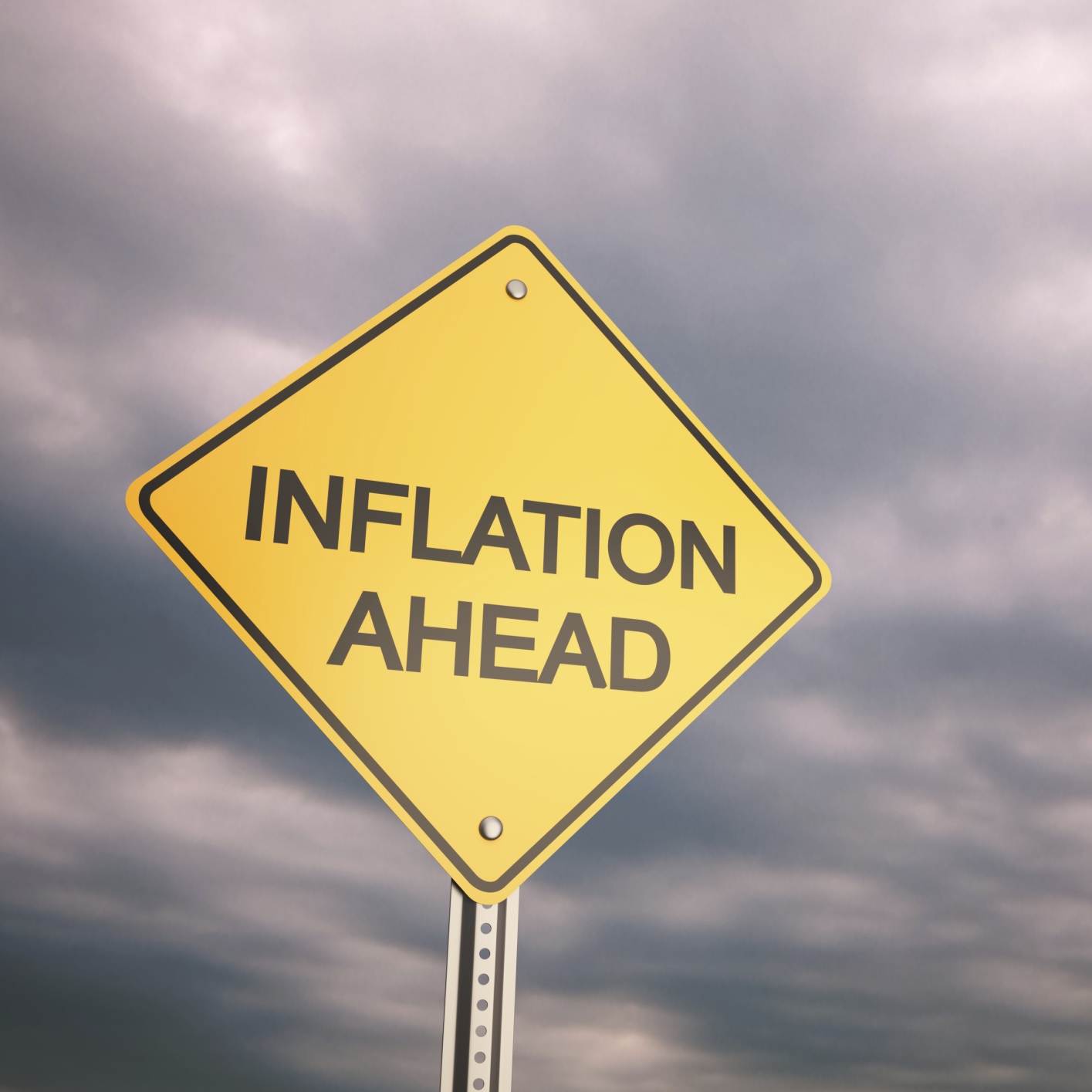
The U.S. and the global economies both need inflation. The trick about inflation is that too much is bad and too little is bad. The global economies have seen the “too little” scenario for years now. Unfortunately, August’s U.S. Producer Price Index (PPI) almost reads like another month with too little inflation, on the surface.
The U.S. Department of Labor reported on Wednesday that the cost of goods and services measured by the PPI for final demand was up just 0.2% in August. The increase, while modest, was the biggest since April. This sounds like a tiny gain on the surface, but it was the biggest gain at the wholesale level since April. Bloomberg had projected a gain of 0.3%, after seeing a drop of 0.1% in July.
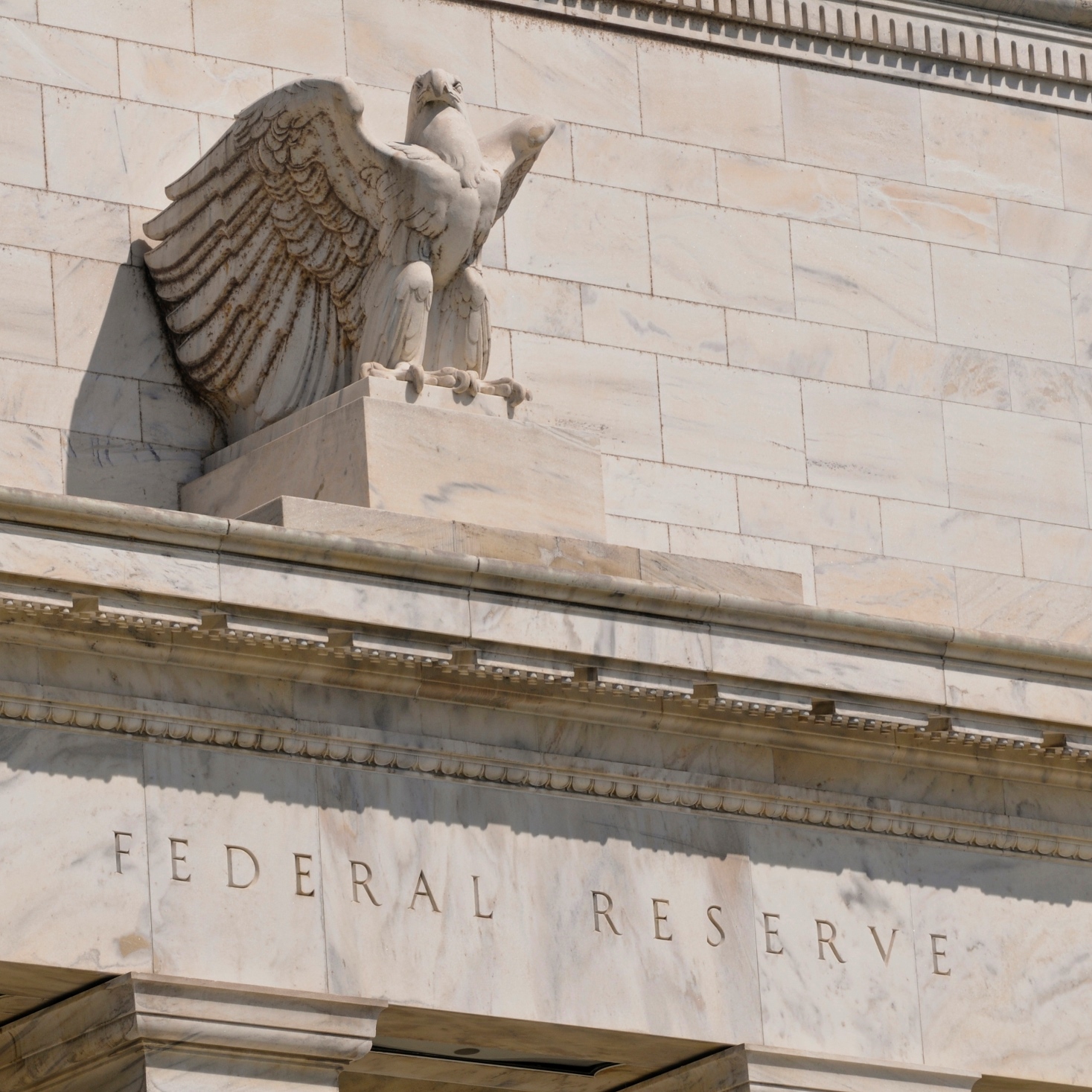
Where this gets interesting is on the annual numbers, and we have to keep in mind that the Federal Reserve wants inflation at 2.0% to 2.5% in order to justify more interest rate hikes. The annualized year-over-year headline PPI reading for final demand was up 2.4% in August, versus 1.9% in July.
The core PPI reading, which excludes food and energy, came in at a gain of only 0.1% on the monthly reading in August but was also up 2.0% from the report covering August 2016.
[nativounit]
Then there is the “true” core reading for PPI, the ex-food and energy reading combined with eliminating trade services from the report. This rose just 0.2% on the monthly reading in August but was up 1.9% from August of 2016.
While inflationary pressures may look good on an annualized basis, the early indications were that Hurricane Harvey’s impact on fuel and energy prices at the producer level may have been only partly to blame. Most of the gains in fuel prices took place at the end of the month and into the start of September. Also, food prices were down 1.3% on the wholesale level.
As far as how economists need to consider this, producer prices generally lead consumer price trends by one to three months, depending on the components measured. Energy price changes get reflected immediately, but other long-dated order prices may take months to reflect price gains or price reductions.
Low inflation coincides with low interest rates. It also coincides with, and is an advertisement for, an economy that is growing at far slower rates than many people would want to see. At least all the household income trends and labor market trends look favorable at the moment.
[recirclink id=413177]
[wallst_email_signup]









 Top Gaining Stocks
 Top Losing Stocks