


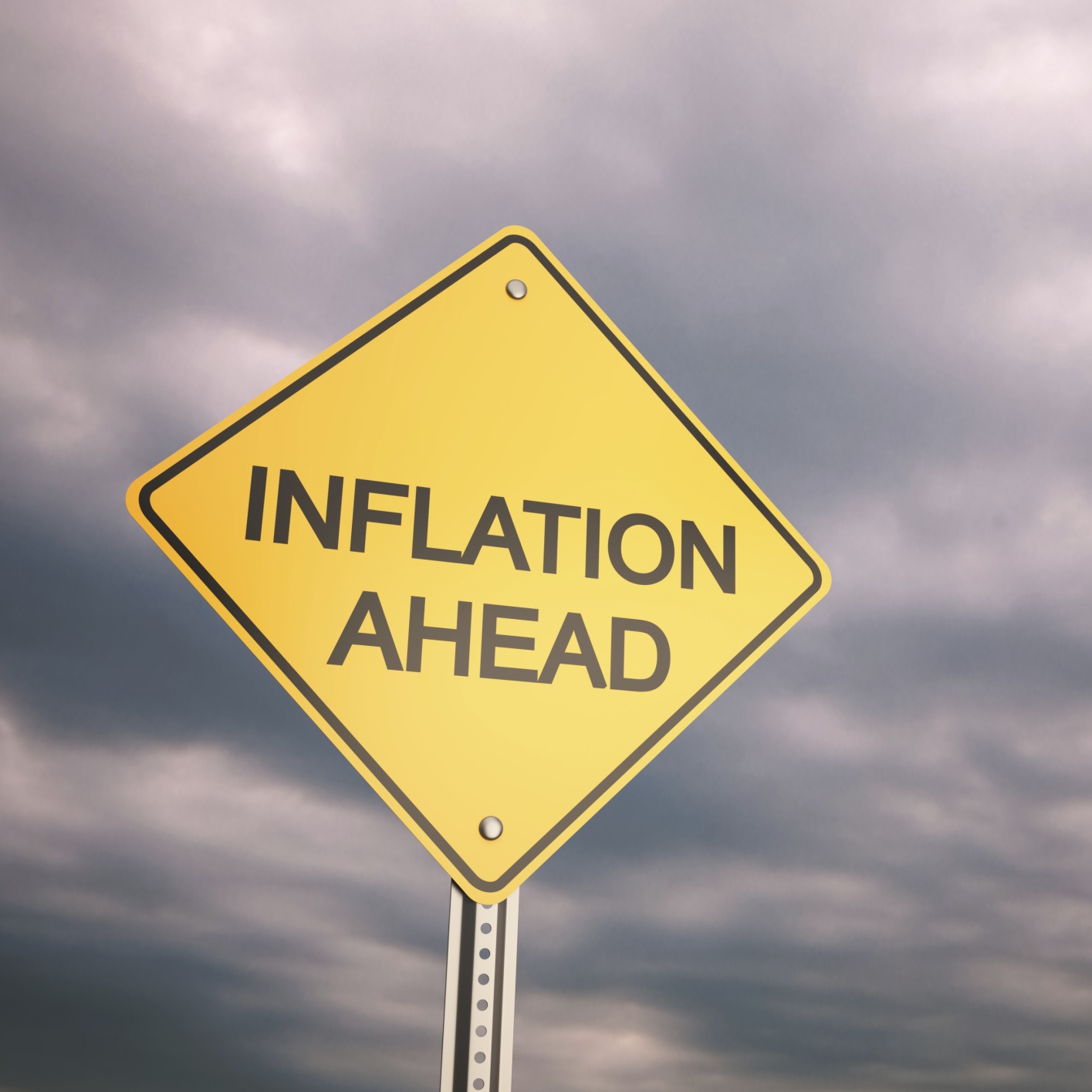
If you have looked at the prices at the gas pump, you might expect that prices are deflationary. If you have medical costs or rent, you might think that there is more than enough inflation. This week the economic release calendar will bring two readings on the inflation/deflation front: producer prices and consumer prices.
Both reports measure prices paid and both are released by the U.S. Department of Labor. The Producer Price Index (PPI) measures prices that businesses and wholesalers are paying for products to be sold. The Consumer Price Index (CPI) measures what Joe Public pays for those goods and services.
What matters here is that the Federal Reserve wants inflation to be higher. Its target now is 2.0% to 2.5%. So far, it has been far short of that target. One caveat is that we finally have started seeing closer to 2.0% inflationary readings on a very selective basis when using annualized (year-over-year) reports.
This week’s economic calendar has PPI coming on Wednesday, followed by CPI on Thursday morning. Consensus estimates have been taken from Bloomberg and Econoday data.
PPI is expected to be up by 0.3% on the month-over-month reading for March (versus February). Then there is the core PPI, which excludes food and energy, and that is expected to be up by 0.2% on the monthly reading. February’s basic headline PPI reading was −0.2% on the monthly reading, but it was flat on the core reading at 0.0%.
Where things were higher last month was on the annual readings, measuring March of 2016 against March of 2015. Headline PPI was up 1.2%, and the core PPI was up 0.1%. Then there is a further reading, the PPI on Final Demand, which excludes food, energy and trade services and was up 0.9%.
CPI is expected to rise 0.2% in March on the headline, up from −0.2% in February. The core CPI is also expected to rise 0.2%.
What matters on the CPI data was the year-over-year readings that were seen for February of 2016. Headline annual CPI data was shown to be up 1.0% and the core PPI was up 2.3%. This was one of the first such 2% readings we have seen in ages.
Again, the Fed has been looking for any strength it can. There is pressure to raise interest rates, but Fed Chair Janet Yellen recently went back to being a super-dove, even as other Fed presidents previously had been more hawkish by talking up rate hikes.
This week will bring a clearer picture for whether deflation or inflation are more prevalent in the economy. Stay tuned.












 Top Gaining Stocks
 Top Losing Stocks