


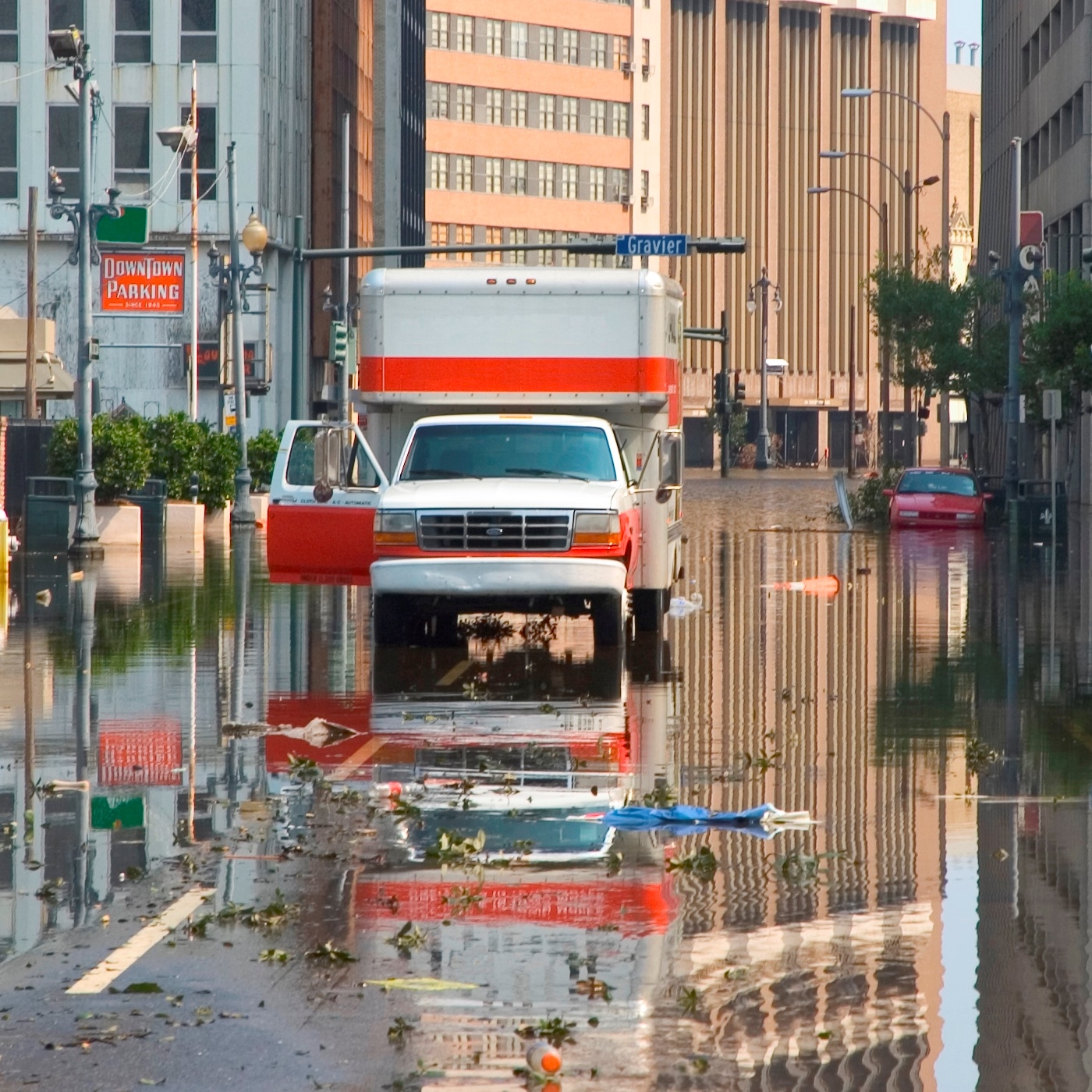
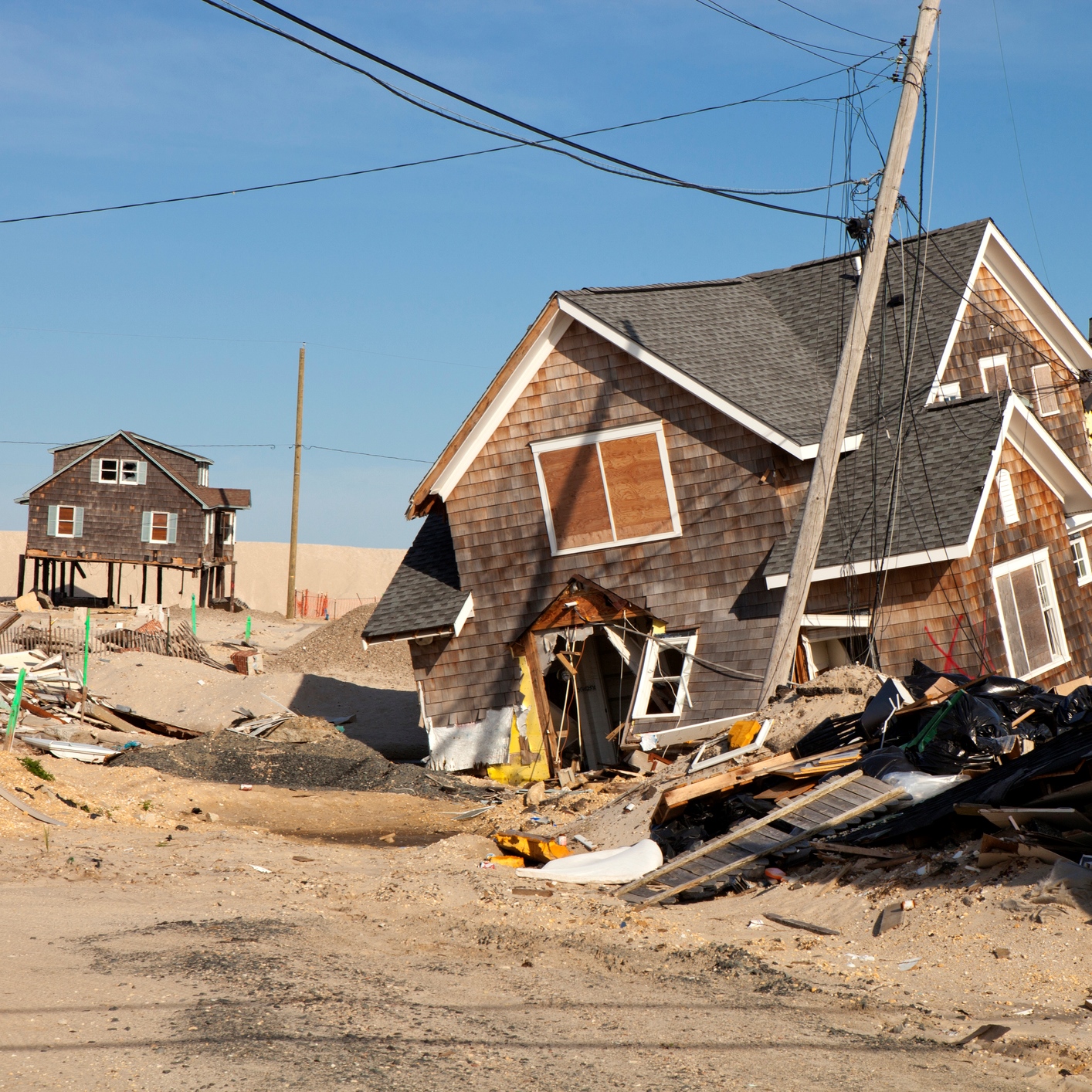
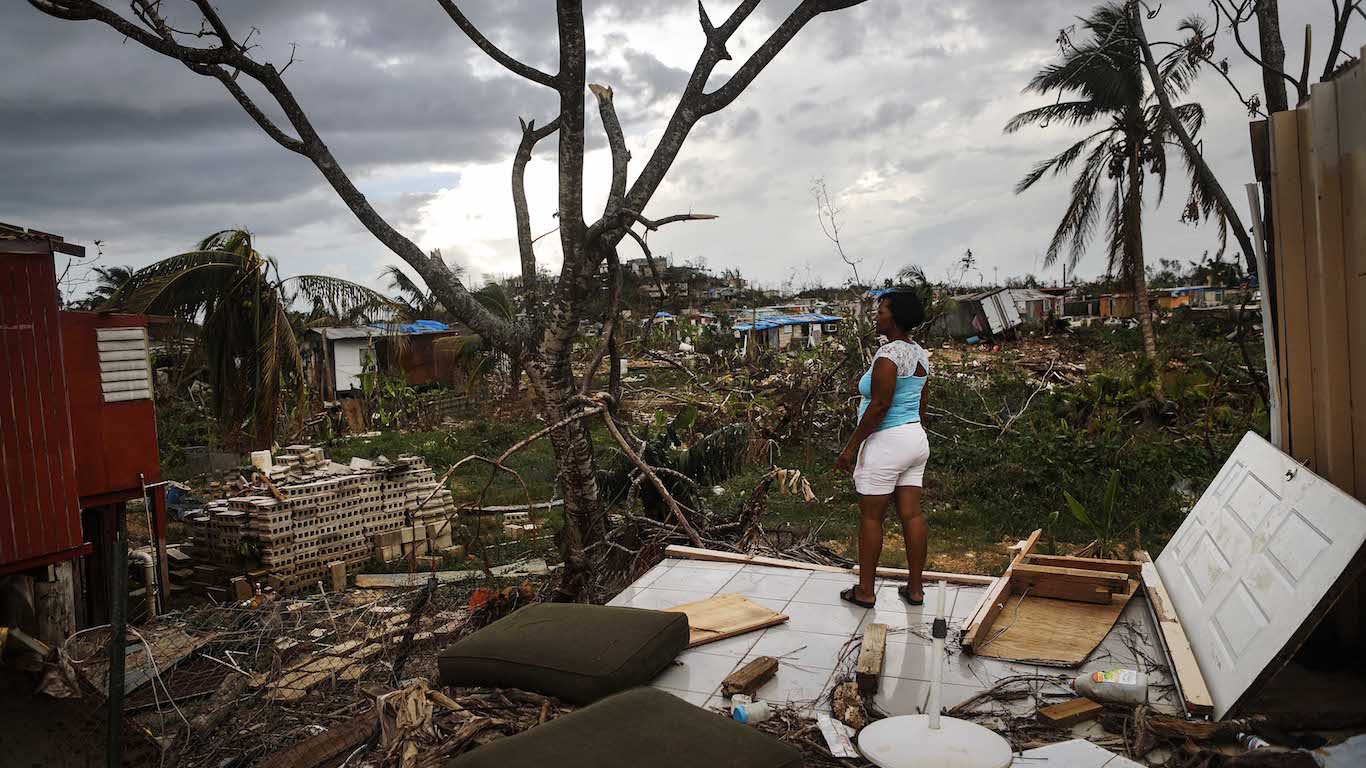
The total insured and uninsured loss for residential and commercial properties, including damage from flood and wind, from Hurricane Irma is estimated to be as much as $65 billion, according to property data information provider CoreLogic.
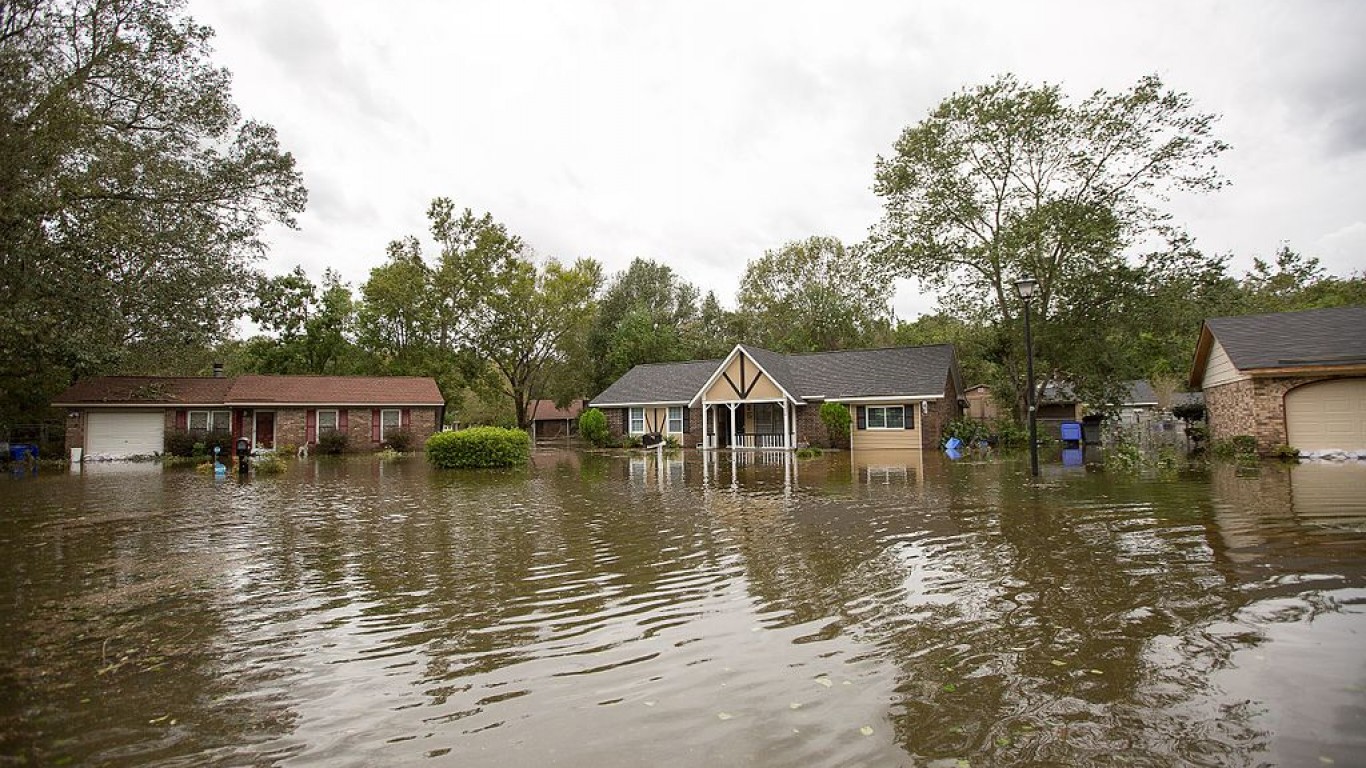
Flood loss for residential properties from Hurricane Irma is estimated at up to $38 billion. This dollar figure includes damage from storm surge, as well as inland and flash flooding in Florida, Alabama, Georgia, North Carolina and South Carolina. Of this flood total, insured residential flood loss is estimated at $5 billion to $8 billion and uninsured residential flood loss is estimated at up to $30 billion, according to CoreLogic.
As a result, an estimated 80% of flood damage to residential properties from Hurricane Irma is not covered by any flood insurance.
Insured flood loss for commercial properties is estimated at $4 billion to $8 billion. Data for uninsured flood loss for commercial properties, which could equal or exceed insured loss estimates, was not available.
[nativounit]
Of the total estimate of $65 billion in damages, an estimated $13.5 billion to $19.0 billion in insured loss is attributed to damage from wind for residential and commercial properties. Of the total wind damage, an estimated $11 billion to $15 billion represents residential loss. Most damage from hurricane wind is typically covered by private insurers.
Of the total wind damage, an estimated $2.5 billion to $4.0 billion represents commercial loss.
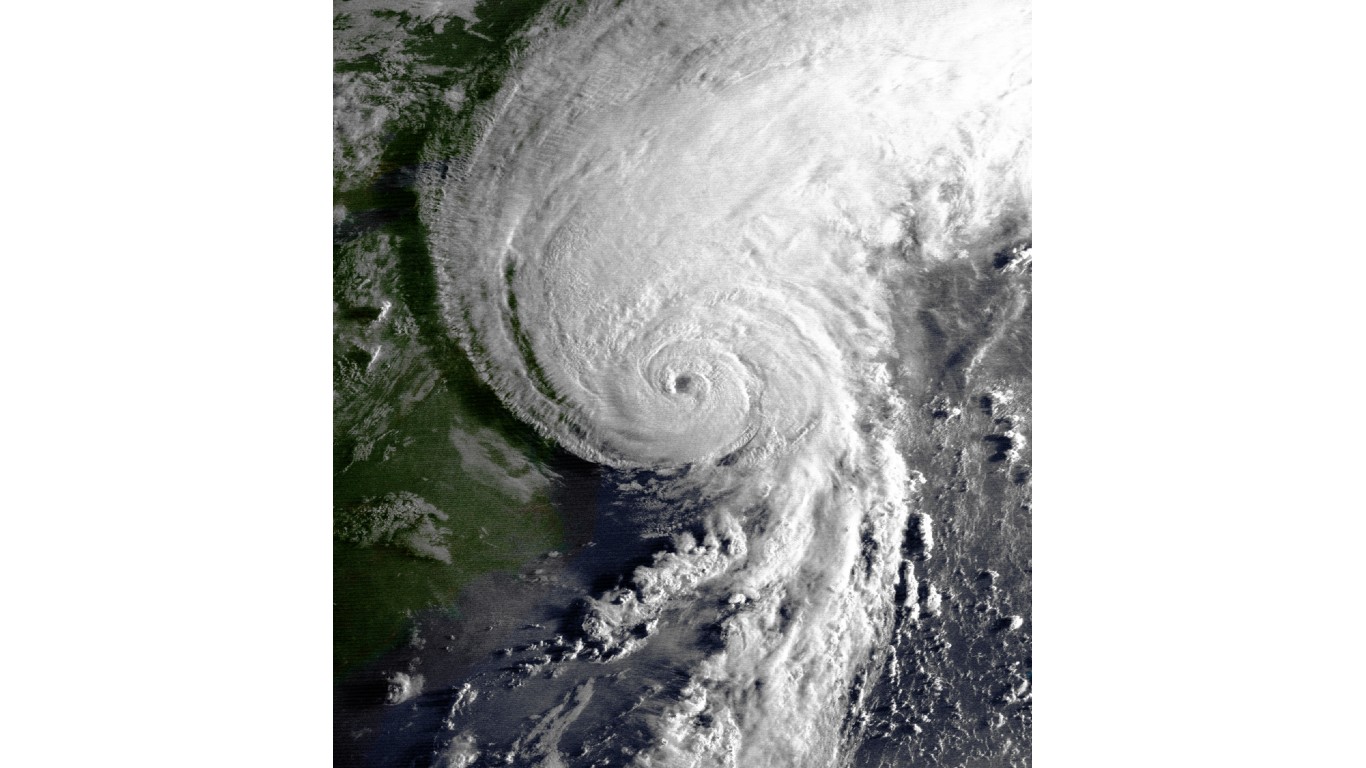
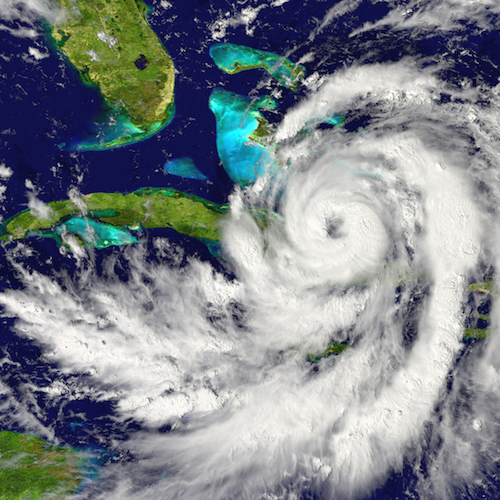
Hurricane Irma formed August 30 and dissipated September 15. In between, Irma became a Category 5 hurricane and plowed through the northeastern Caribbean and the Florida Keys, then turned north and ravaged the western coast of Florida.
[recirclink id=405409]
Irma was the most intense observed storm in the Atlantic since Dean in 2007 and the most intense Atlantic hurricane to strike the United States since Katrina in 2005. It was the first major hurricane to make landfall in Florida since Wilma in 2005 and was the second major hurricane of the 2017 after Hurricane Harvey, which struck southeastern Texas.
The active hurricane season continues as Jose churns off the U.S. east coast, bringing storm surge warnings to the southeast New England coast. Hurricane Maria is plying through the Caribbean and laying waste to many of the same islands Irma devastated. Its path may take it to Puerto Rico and the Virgin Islands, but it is too soon to know if Maria will hit the mainland United States.
[wallst_email_signup]







 Top Gaining Stocks
 Top Losing Stocks