



After a long period of stagnation, the measure for worker productivity is back on the up. The measurements and effects behind productivity can be complicated in many readings, but the long and short of it is that this means more output is being gained on a net basis versus employment costs. And at the same time, and for the better, wages are still rising.
The U.S. Department of Labor has released its reading on nonfarm productivity and unit labor costs for the third quarter of 2017, and it shows that productivity rose by a seasonally adjusted 3.0%. This was the best rate in years. Output rose by a sharp 3.8%, and the hours worked rose 0.8%.
Unit labor costs rose by 0.5% on a seasonally adjusted basis in the third quarter. While that may not sound great on the surface, this was broken down by a 3.5% increase in hourly compensation and a 3.0% increase in productivity.
Dow Jones was calling for a reading of 2.8% on productivity and for a gain of 0.6% on the labor costs. Bloomberg’s consensus estimates were 2.5% on nonfarm productivity and 0.6% on labor costs.
[nativounit]
Good news is good news, but there are almost always some soft patches that can still improve. The Bureau of Labor Statistics said that there were still some disappointments in the manufacturing sector as a whole, but for workers some of the trends actually sound quite positive. The report said:
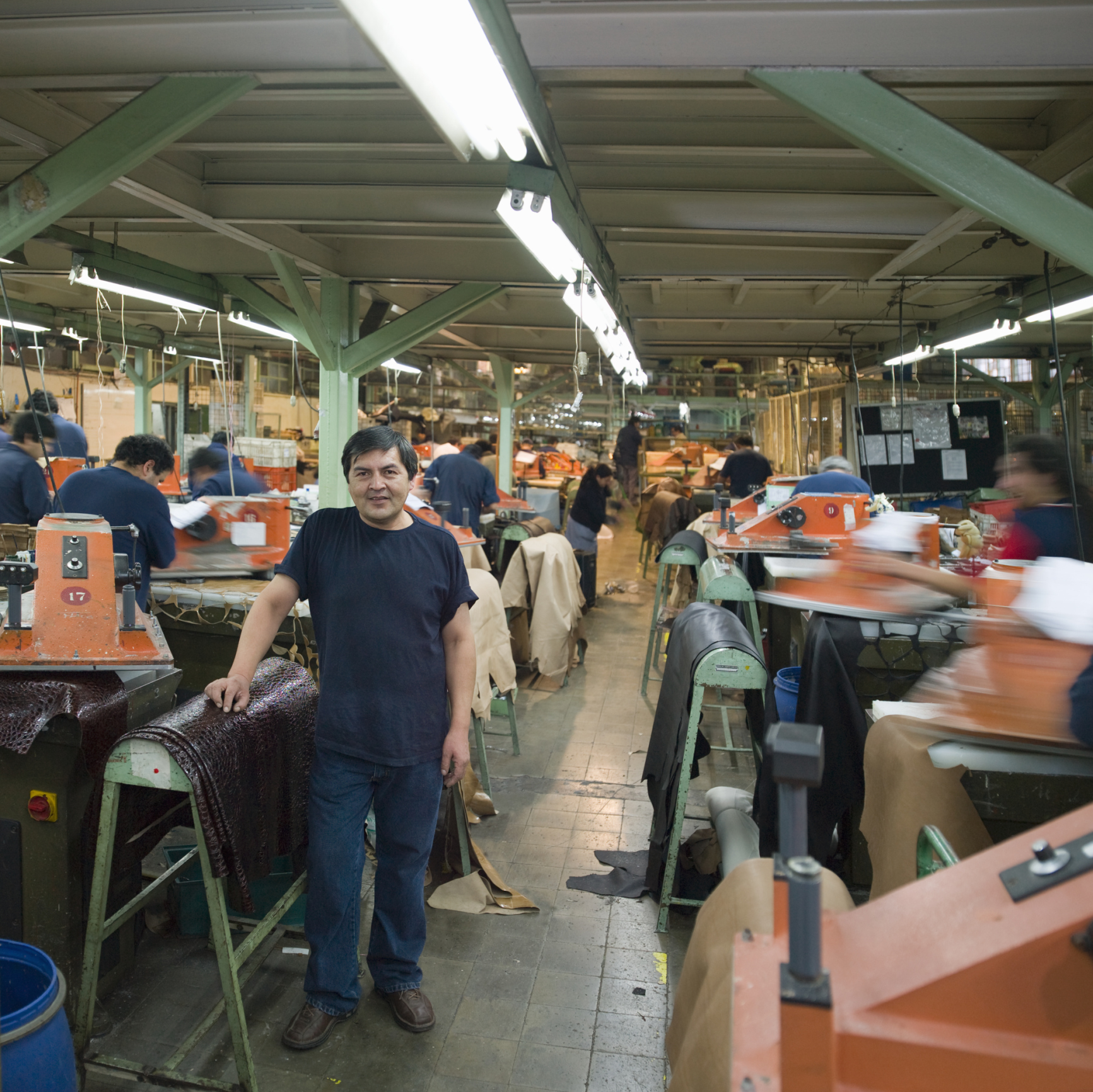
Manufacturing sector labor productivity fell 5.0 percent in the third quarter of 2017, as output decreased 2.1 percent and hours worked increased 3.1 percent. The decrease in manufacturing output per hour is the largest since the first quarter of 2009, when the measure fell 16.3 percent. Productivity decreased 5.7 percent in the durable goods manufacturing sector and 4.6 percent in the nondurable goods sector in the third quarter of 2017. Over the last four quarters, total manufacturing sector productivity increased 0.1 percent, as output increased 1.2 percent and hours worked increased 1.1 percent. Unit labor costs in manufacturing increased 6.2 percent in the third quarter of 2017 and rose 0.7 percent from the same quarter a year ago.
All in all, this report should be considered a win-win for businesses and employees. Workers hate when productivity rises handily without wage growth. That means the businesses are getting the only real benefits of higher output. Conversely, businesses as a whole are shown to be increasing their workers’ pay and still realizing gains in output.
We have already seen stronger than expected reports for gross domestic product, and this was backed up by stronger durable goods and industrial production numbers.
[wallst_email_signup]











 Top Gaining Stocks
 Top Losing Stocks