Will the Economy Determine Fed Rate Increases?

Photo of Douglas A. McIntyre
By Douglas A. McIntyre Updated Published
This post may contain links from our sponsors and affiliates, and Flywheel Publishing may receive compensation for actions taken through them.
Will the Economy Determine Fed Rate Increases?

© Thinkstock

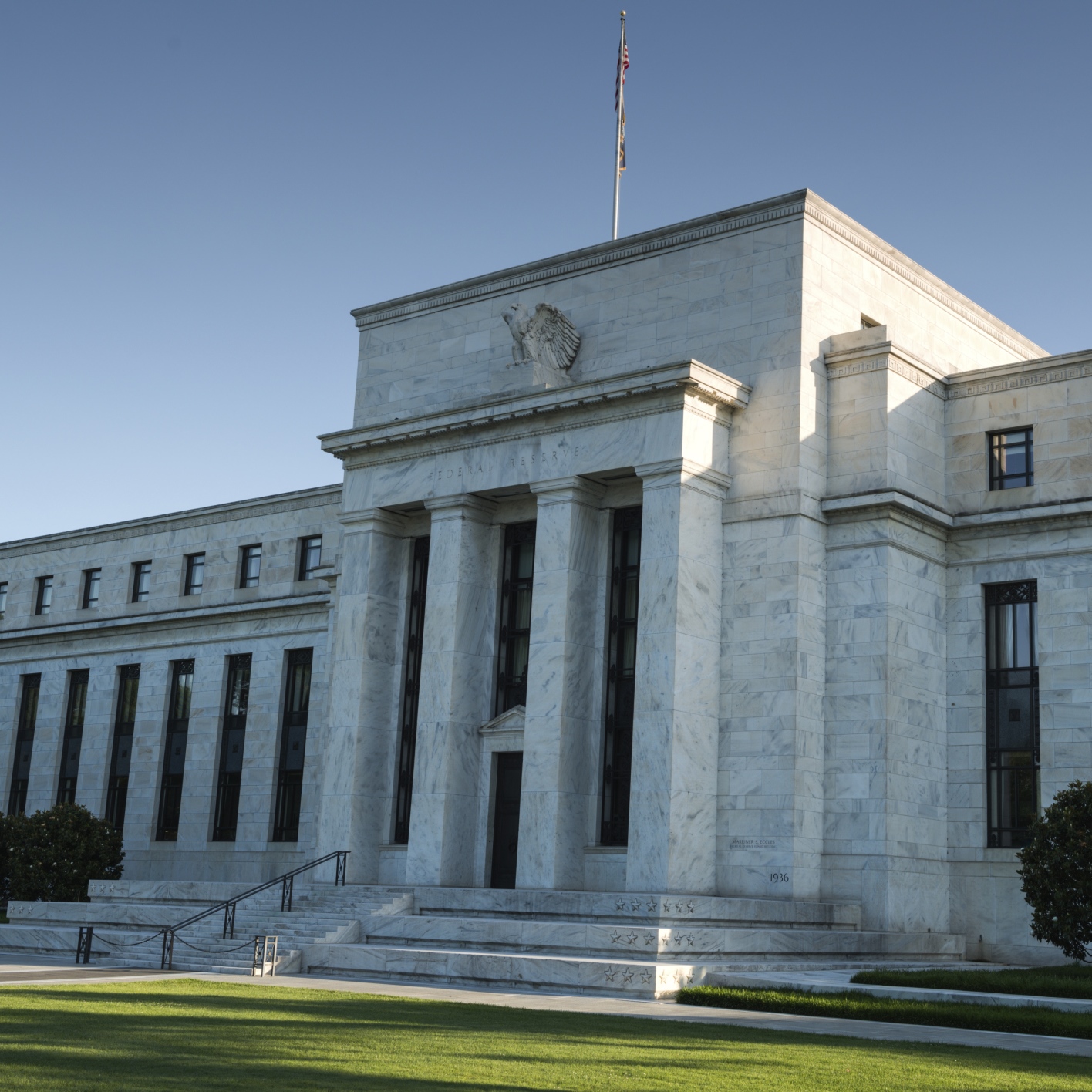
The Federal Reserve’s Minutes of the Federal Open Market Committee (FOMC) for March 20 to 21, 2018, indicated the Board of Governors will increase the pace at which it raises rates. Open to speculation is whether rate increases will affect the economy or the economy will affect rate increases. It is possible that the Fed has set a course to reverse the policy to keep rates at historic lows as a means to keep the economy growing.

The prevailing objective of the Fed since the Great Recession is that low-interest rates and the purchase of bonds allow businesses and consumers to operate in an environment in which the cost of money is close to zero. This has spurred the corporate fixed income markets, which in turn has allowed many companies to invest in expansion. Consumers also have benefited as the price of auto loans, as an example, have been as low as 0% APR. An increase in rates may well curb both types of borrowing.

Rate increases cannot be based on inflation, at least that is what the Fed has indicated. However, it will continue to raise rates, even if inflation remains in a 1% to 2% range, particularly when the cost of fuel is backed out.

[nativounit]

According to the FOMC minutes:

The Committee expects that economic conditions will evolve in a manner that will warrant further gradual increases in the federal funds rate; the federal funds rate is likely to remain, for some time, below levels that are expected to prevail in the longer run.

While inflation remains low, questions about the labor market are a balance between low unemployment and slow increases in wages. A large body of evidence shows the purchasing power of Americans has not increased much in years. Higher fuel costs, which have been the trend recently and may accelerate going forward, may erode discretionary income. Marry this with capital markets that make corporate use of the capital markets riskier.

It is possible that the Fed would do more for the economy if it does not raise rates at all, at least for the time being.

[wallst_email_signup]

Photo of Douglas A. McIntyre
About the Author Douglas A. McIntyre →

Douglas A. McIntyre is the co-founder, chief executive officer and editor in chief of 24/7 Wall St. and 24/7 Tempo. He has held these jobs since 2006.

McIntyre has written thousands of articles for 24/7 Wall St. He is an expert on corporate finance, the automotive industry, media companies and international finance. He has edited articles on national demographics, sports, personal income and travel.

His work has been quoted or mentioned in The New York Times, The Wall Street Journal, Los Angeles Times, The Washington Post, NBC News, Time, The New Yorker, HuffPost USA Today, Business Insider, Yahoo, AOL, MarketWatch, The Atlantic, Bloomberg, New York Post, Chicago Tribune, Forbes, The Guardian and many other major publications. McIntyre has been a guest on CNBC, the BBC and television and radio stations across the country.

A magna cum laude graduate of Harvard College, McIntyre also was president of The Harvard Advocate. Founded in 1866, the Advocate is the oldest college publication in the United States.

TheStreet.com, Comps.com and Edgar Online are some of the public companies for which McIntyre served on the board of directors. He was a Vicinity Corporation board member when the company was sold to Microsoft in 2002. He served on the audit committees of some of these companies.

McIntyre has been the CEO of FutureSource, a provider of trading terminals and news to commodities and futures traders. He was president of Switchboard, the online phone directory company. He served as chairman and CEO of On2 Technologies, the video compression company that provided video compression software for Adobe’s Flash. Google bought On2 in 2009.

Featured Reads

Our top personal finance-related articles today. Your wallet will thank you later.

Continue Reading

Top Gaining Stocks

CBOE Vol: 1,568,143
PSKY Vol: 12,285,993
STX Vol: 7,378,346
ORCL Vol: 26,317,675
DDOG Vol: 6,247,779

Top Losing Stocks

LKQ
LKQ Vol: 4,367,433
CLX Vol: 13,260,523
SYK Vol: 4,519,455
MHK Vol: 1,859,865
AMGN Vol: 3,818,618