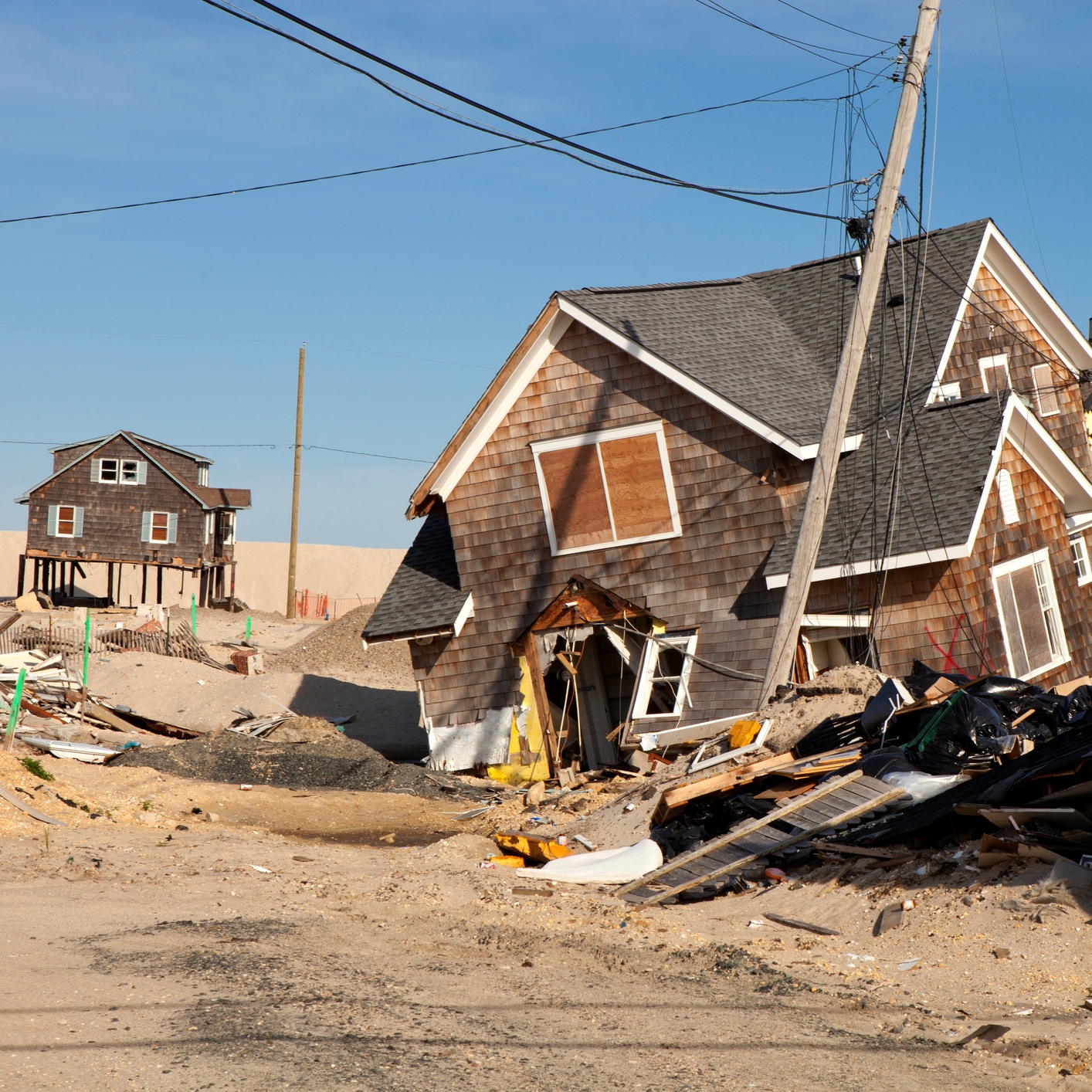
East Coast Tropical Storm Damage Could Hit $1.6 Trillion

Photo of Douglas A. McIntyre
By Douglas A. McIntyre Updated Published
This post may contain links from our sponsors and affiliates, and Flywheel Publishing may receive compensation for actions taken through them.
East Coast Tropical Storm Damage Could Hit $1.6 Trillion

© Thinkstock

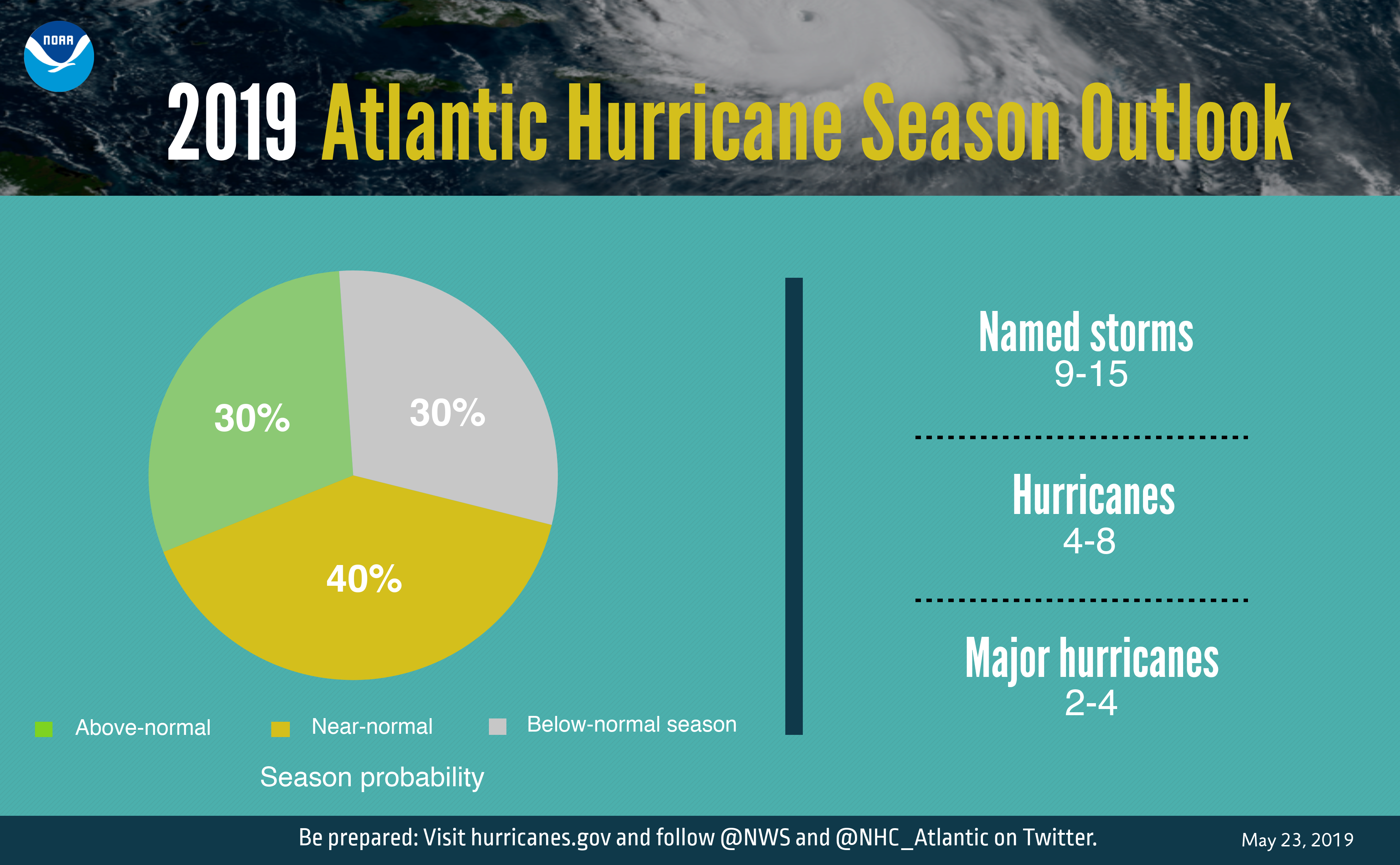
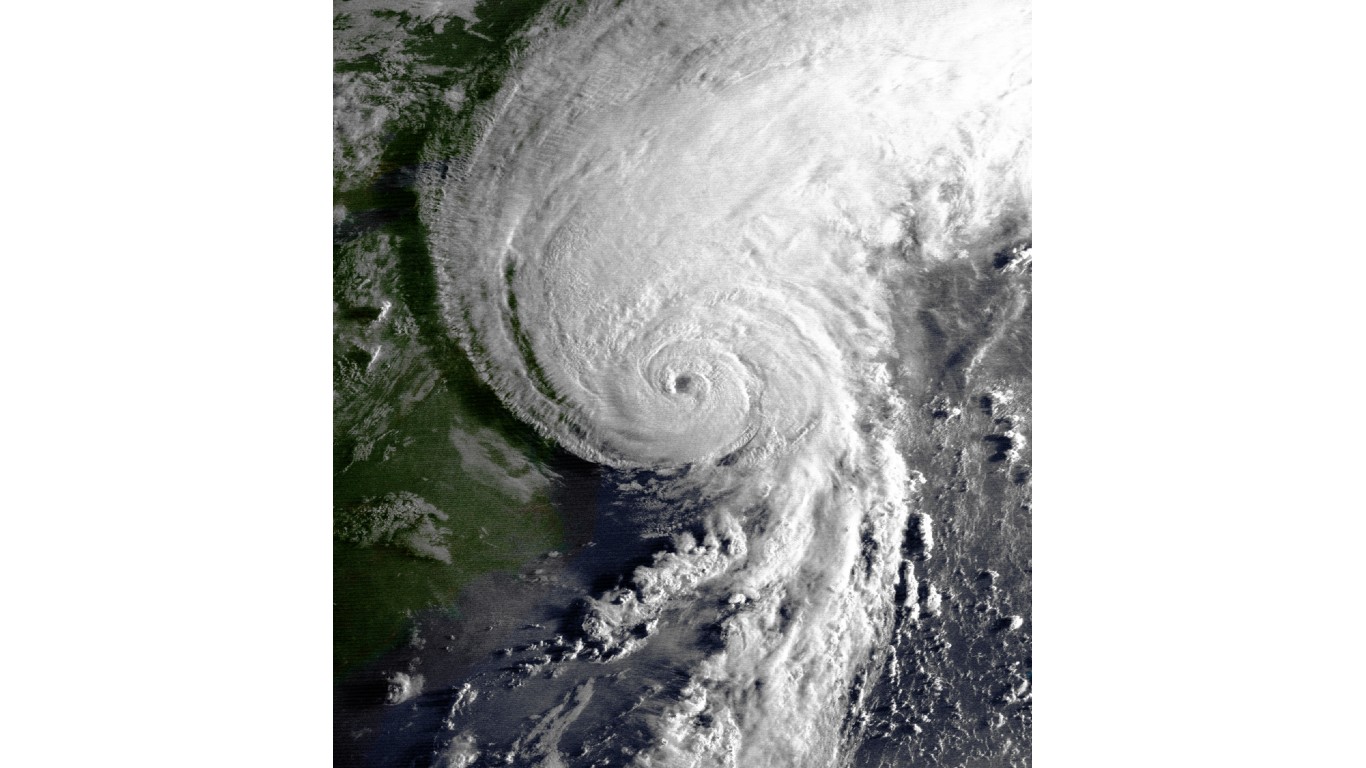
Hurricane season starts June 1 and runs through November 30. Last year it produced several storms that slammed the southeastern United States. It is less than six years since Hurricane Sandy crippled much of the Northeast. A research firm has forecast that the potential fury of storms this year could cause $1.6 trillion in damage to residential properties.

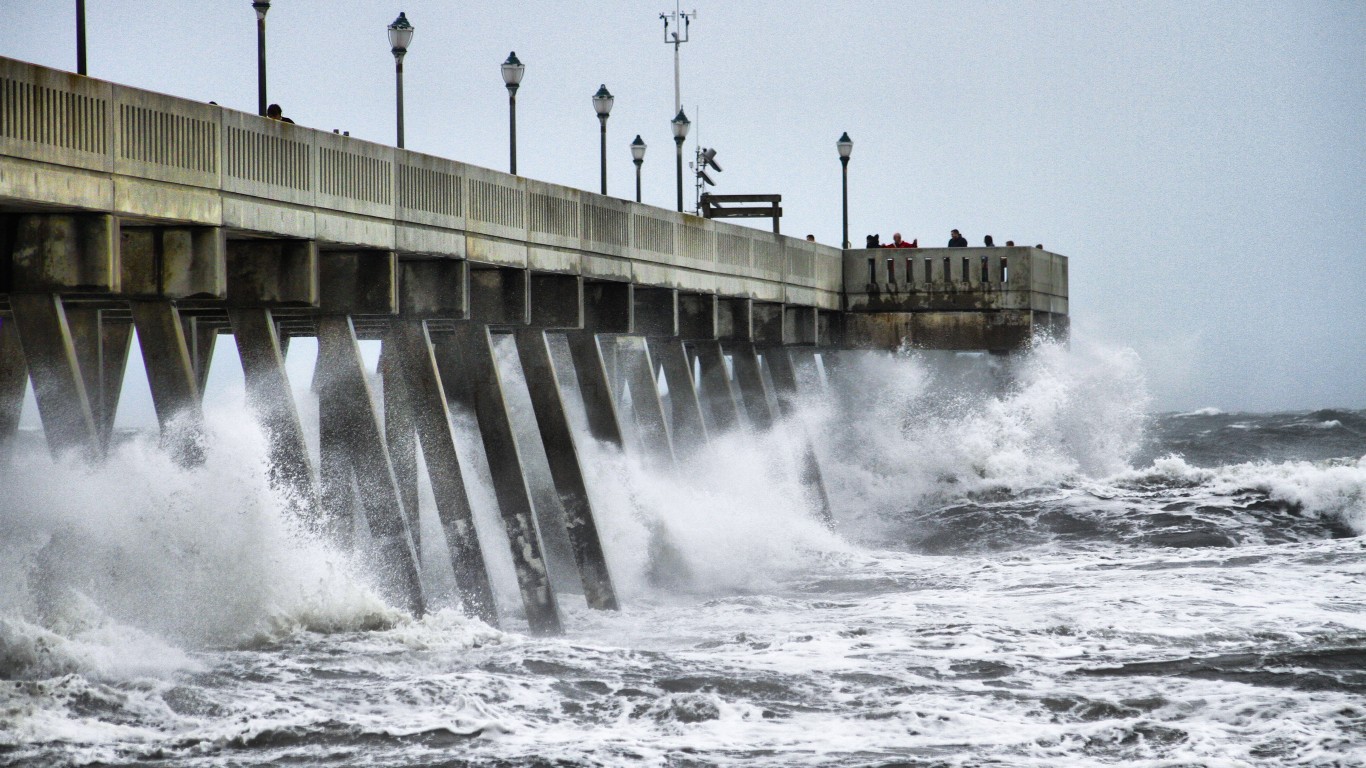
The new CoreLogic Storm Surge Report for 2018 estimates costs based on the reconstruction cost value (RCV) of single-family residential homes. The analysis deals primarily with storm surge, which is the water pushed ashore by hurricanes and less powerful storms. The surge usually does more damage than initial powerful winds and rain.

In the new report, CoreLogic estimates:

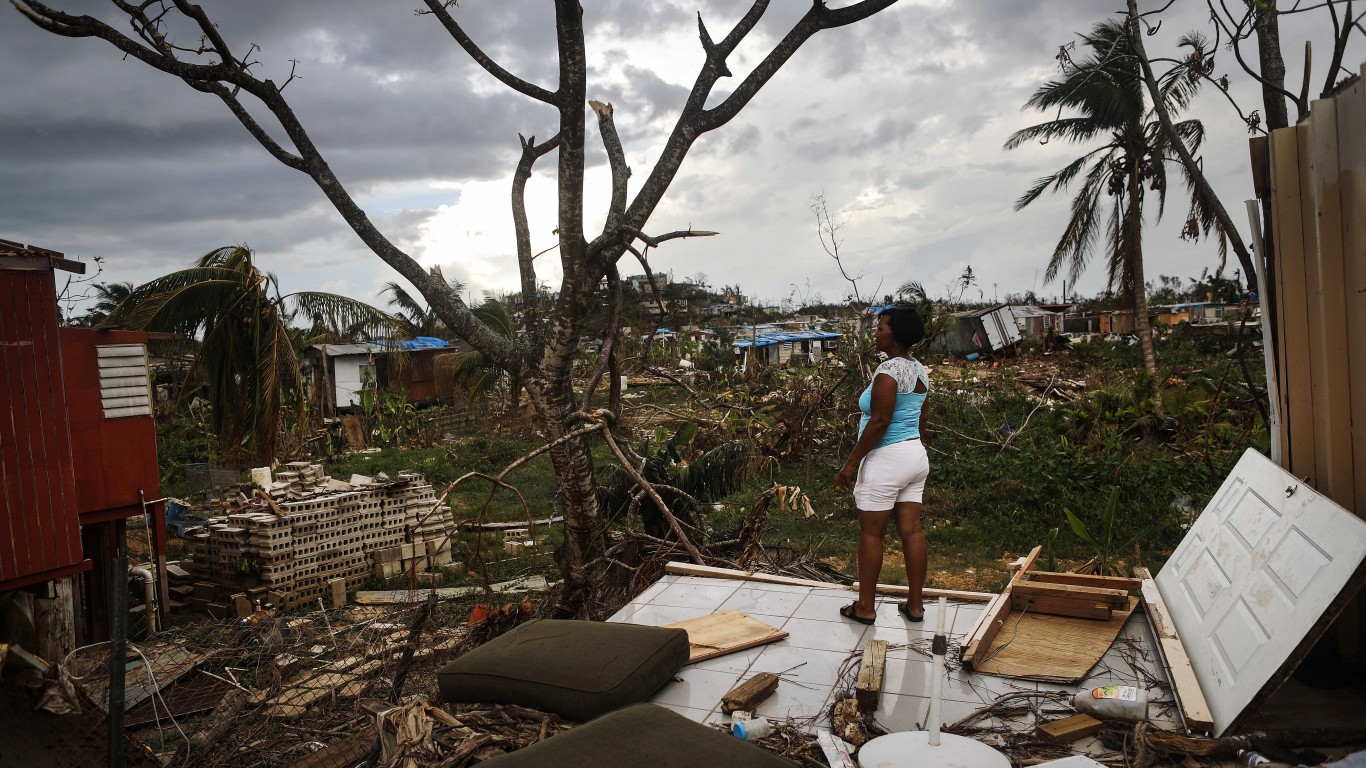
The 2018 storm surge analysis conducted by CoreLogic shows that more than 6.9 million homes along the Gulf and Atlantic Coasts have the potential for storm surge damage, with a total estimated RCV of more than $1.6 trillion. The RCV is calculated based on the total, or 100 percent, destruction of the residential structure, using the combined cost of construction materials as well as equipment and labor costs. It is probable that some homes affected by storm surge during a single event will have less than 100 percent property loss, and as a result, lower realized rebuilding costs and a lower overall RCV.

[nativounit]

The large figure is based on Category 5 hurricanes, the most powerful. The number drops as the power of storms does, based on the estimate. The risk also varies by state, with Florida the most exposed based on homes at risk, followed by Louisiana, Texas, New Jersey and New York. The list is an indication that storms are likely to climb the Atlantic into the Northeast.

In terms of cities, the largest figures for homes at risk are Miami, New York, Tampa and Virginia Beach. For people in the cities and states most at risk, it’s time to buckle up.

[wallst_email_signup]

Photo of Douglas A. McIntyre
About the Author Douglas A. McIntyre →

Douglas A. McIntyre is the co-founder, chief executive officer and editor in chief of 24/7 Wall St. and 24/7 Tempo. He has held these jobs since 2006.

McIntyre has written thousands of articles for 24/7 Wall St. He is an expert on corporate finance, the automotive industry, media companies and international finance. He has edited articles on national demographics, sports, personal income and travel.

His work has been quoted or mentioned in The New York Times, The Wall Street Journal, Los Angeles Times, The Washington Post, NBC News, Time, The New Yorker, HuffPost USA Today, Business Insider, Yahoo, AOL, MarketWatch, The Atlantic, Bloomberg, New York Post, Chicago Tribune, Forbes, The Guardian and many other major publications. McIntyre has been a guest on CNBC, the BBC and television and radio stations across the country.

A magna cum laude graduate of Harvard College, McIntyre also was president of The Harvard Advocate. Founded in 1866, the Advocate is the oldest college publication in the United States.

TheStreet.com, Comps.com and Edgar Online are some of the public companies for which McIntyre served on the board of directors. He was a Vicinity Corporation board member when the company was sold to Microsoft in 2002. He served on the audit committees of some of these companies.

McIntyre has been the CEO of FutureSource, a provider of trading terminals and news to commodities and futures traders. He was president of Switchboard, the online phone directory company. He served as chairman and CEO of On2 Technologies, the video compression company that provided video compression software for Adobe’s Flash. Google bought On2 in 2009.

Continue Reading

Top Gaining Stocks

CBOE Vol: 1,568,143
PSKY Vol: 12,285,993
STX Vol: 7,378,346
ORCL Vol: 26,317,675
DDOG Vol: 6,247,779

Top Losing Stocks

LKQ
LKQ Vol: 4,367,433
CLX Vol: 13,260,523
SYK Vol: 4,519,455
MHK Vol: 1,859,865
AMGN Vol: 3,818,618