


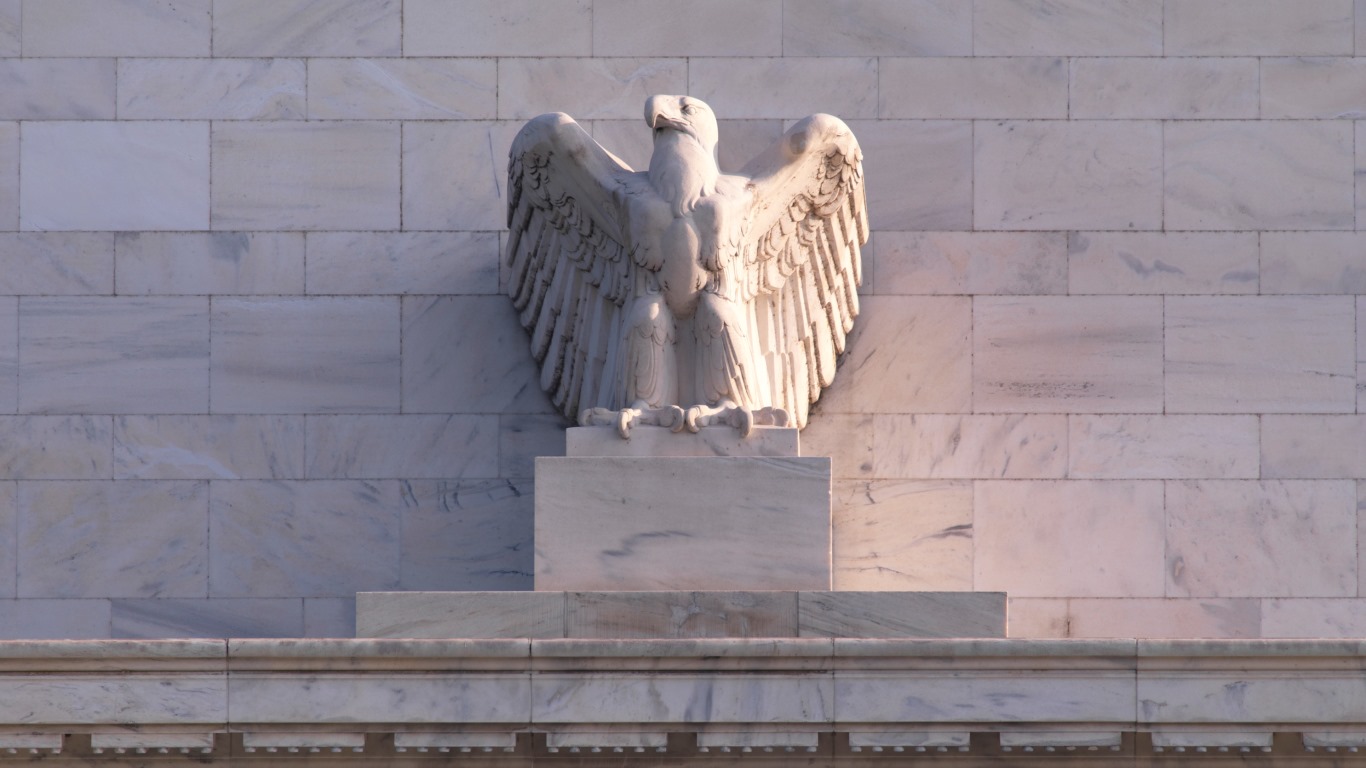
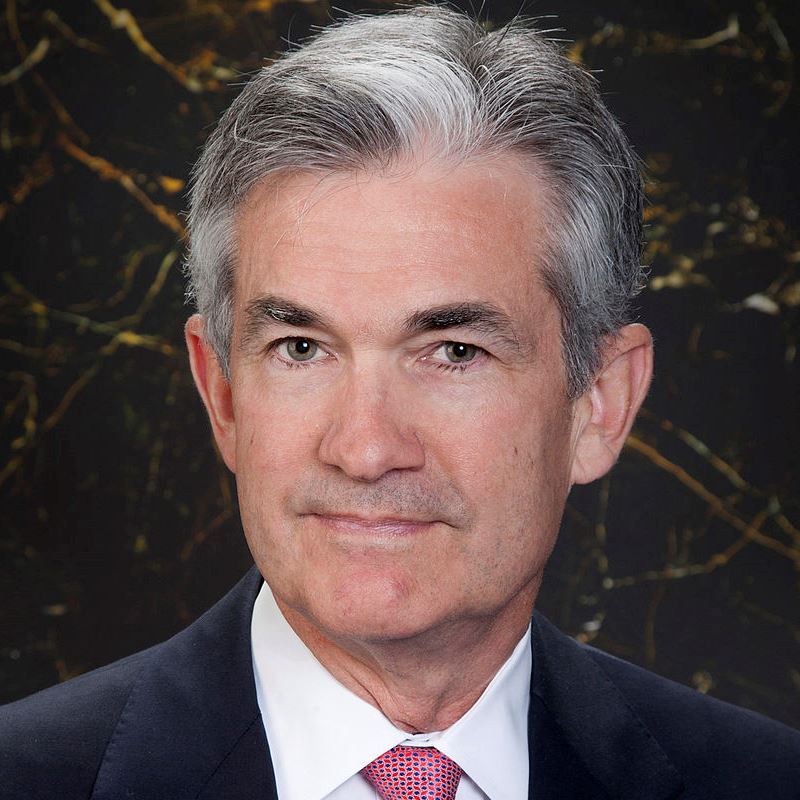
To hike or not to hike, that is the question some investors have for the Federal Reserve regarding their stance on U.S. interest rates and monetary policy. Other investors just expect the current interest rate hike cycle to continue, and Federal Reserve Chair Jerome Powell has just laid out that his view is that the best path forward is a series of gradual interest rate hikes.
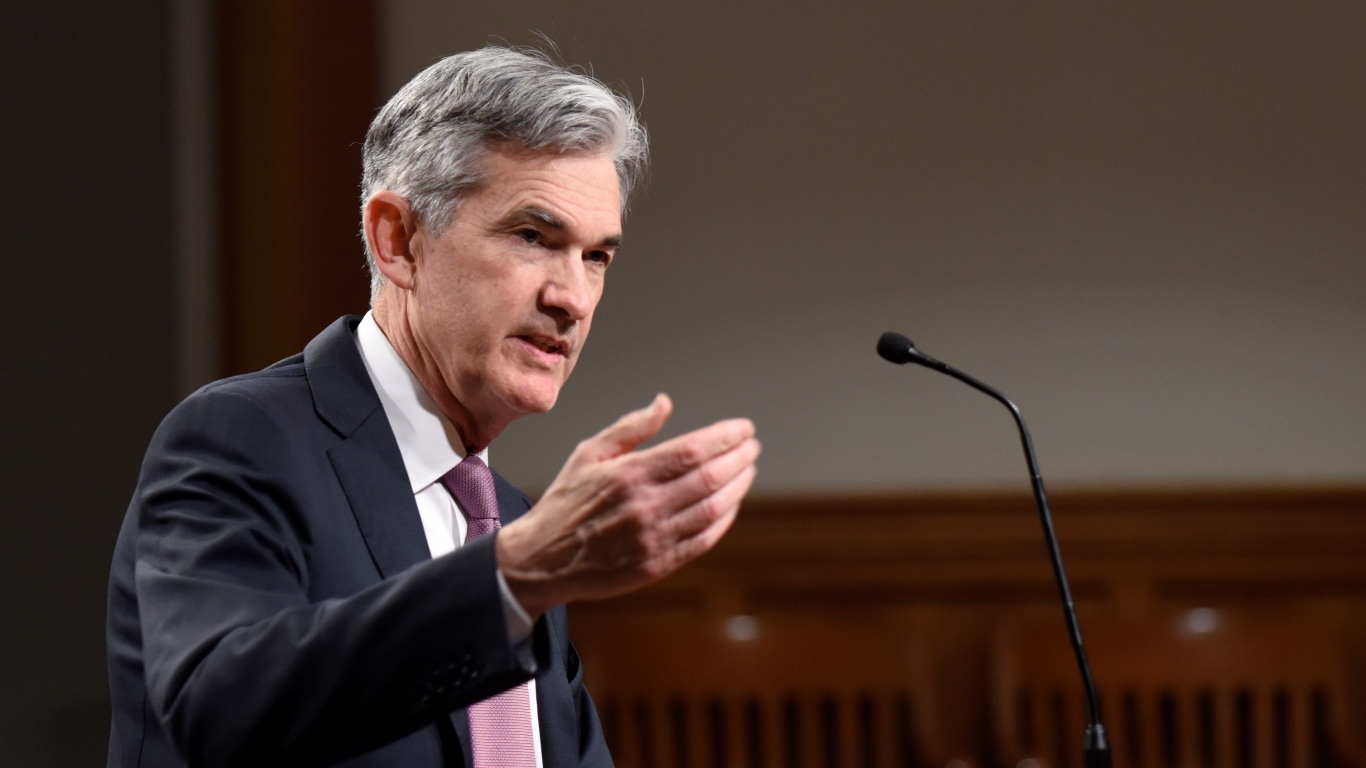
In his semiannual monetary policy report to the Committee on Banking, Housing and Urban Affairs of the U.S. Senate, Powell has suggested that the best way forward is gradual rate hikes. He also pointed to a strong jobs market, inflation close to the Fed’s objective and the risks to the economic outlook being roughly balanced.
Powell noted the gradual hike pace as follows:
With a strong job market, inflation close to our objective, and the risks to the outlook roughly balanced, the FOMC believes that–for now–the best way forward is to keep gradually raising the federal funds rate. We are aware that, on the one hand, raising interest rates too slowly may lead to high inflation or financial market excesses. On the other hand, if we raise rates too rapidly, the economy could weaken and inflation could run persistently below our objective. The Committee will continue to weigh a wide range of relevant information when deciding what monetary policy will be appropriate. As always, our actions will depend on the economic outlook, which may change as we receive new data.
[nativounit]
While the unemployment rate is low and the jobs market is rather tight, Powell has told the Senate Banking Committee that the current 4.0% unemployment rate is expected to fall even further and that the Fed’s challenge will be to keep inflation close to 2%. The ongoing trade disputes, the impact of the Trump tax cut and a boost in federal government spending are all added issues that have to be considered and have not yet played out.
Powell also sees acceleration to second-quarter gross domestic product. While he did not specify a number, Powell did say:
The value of goods and services produced in the economy–or gross domestic product–rose at a moderate annual rate of 2 percent in the first quarter after adjusting for inflation. However, the latest data suggest that economic growth in the second quarter was considerably stronger than in the first. The solid pace of growth so far this year is based on several factors. Robust job gains, rising after-tax incomes, and optimism among households have lifted consumer spending in recent months. Investment by businesses has continued to grow at a healthy rate. Good economic performance in other countries has supported U.S. exports and manufacturing. And while housing construction has not increased this year, it is up noticeably from where it stood a few years ago.
[recirclink id=477494]
This summary should also sum up what the Fed is thinking, at least on the surface:
Looking ahead, my colleagues on the FOMC and I expect that, with appropriate monetary policy, the job market will remain strong and inflation will stay near 2 percent over the next several years. This judgment reflects several factors. First, interest rates, and financial conditions more broadly, remain favorable to growth. Second, our financial system is much stronger than before the crisis and is in a good position to meet the credit needs of households and businesses. Third, federal tax and spending policies likely will continue to support the expansion. And, fourth, the outlook for economic growth abroad remains solid despite greater uncertainties in several parts of the world.
[wallst_email_signup]







 Top Gaining Stocks
 Top Losing Stocks