


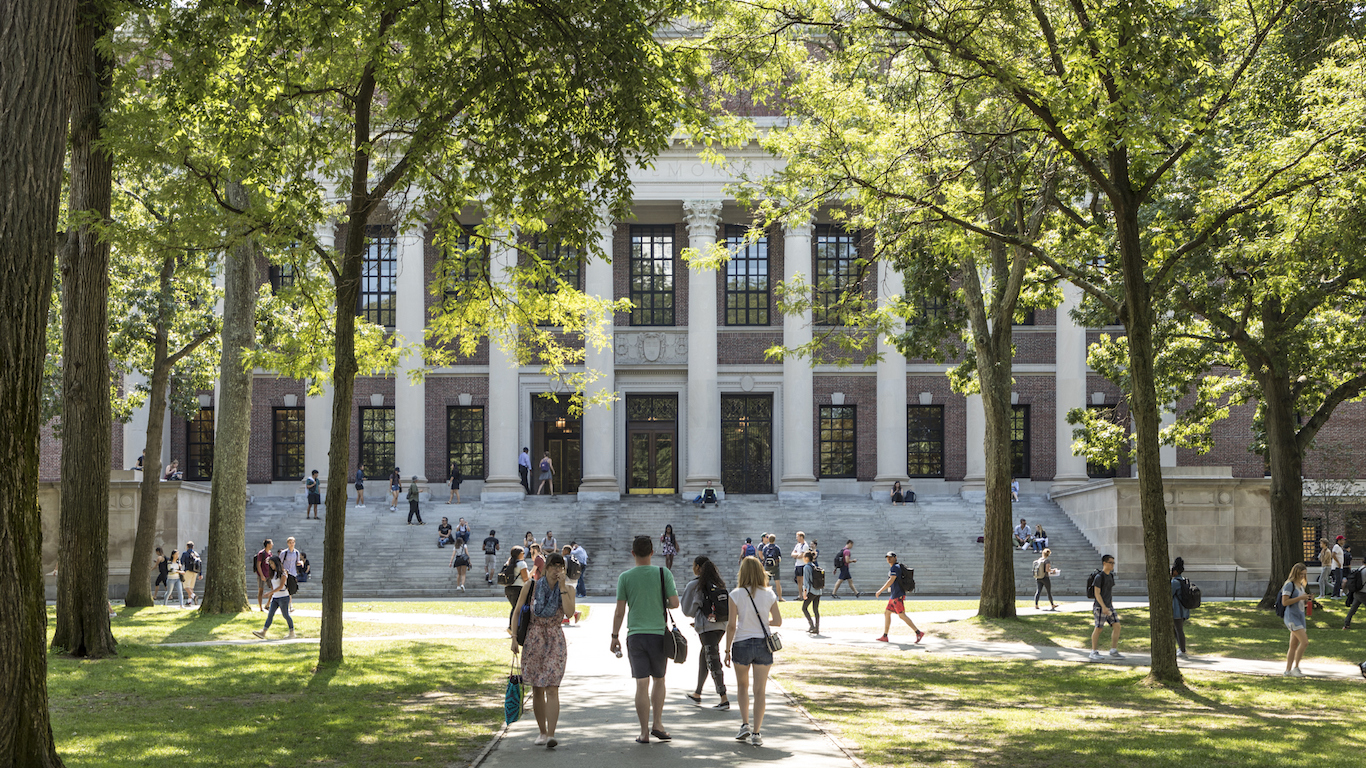
Applications from high school students wanting to begin their college educations next fall have already begun landing on admissions counselors’ desks and will continue in a rising tide through the end of January, with decisions mailed out around April 1. More than a third of would-be college freshman apply to seven or more colleges, and more than 80% apply to at least three.
Each of those applications includes a fee that can run from $10 to as much as $150, with an average of around $50. The fees serve two purposes, according to Mike Brown of LendEDU, a consumer-oriented website with information about financial products, including student loans.
First, application fees are revenue for the colleges, not profit. Every application is reviewed by at least one, and often more, professional admission counselor and the cost of those professional reviews is passed on to applicants and, more likely, their parents. According to the most recent report from the National Association of College Admissions Counselors, the mean number of applications read by a college admissions officer is 854, with a mean at public colleges of 1,472 and 494 at private colleges.
In addition to offsetting costs, application fees function to self-limit college-bound students from applying to hundreds of colleges. This may tilt the playing field toward students who can afford to pay more application fees, but many colleges will waive application fees for less financially able applicants.
[nativounit]
LendEDU’s Brown reviewed application data from the National Center for Educational Statistics to come up with three different lists of 500 colleges: those that make the most money off total applications; those that make the most money of declined applications; and those with the highest yield (ratio of enrolled to admitted students).
Here are the 10 U.S. colleges making the most revenue from applications. LendEDU has included the total number of applicants, the fee (for students enrolled in the fall of 2016) and the total amount of revenue the fee generates.
- University of California—Los Angeles
Total applicants: 97,112
Fee: $70
Total fee revenue: $6.8 million - University of California—San Diego
Total applicants: 84,208
Fee: $70
Total fee revenue: $5.9 million - University of California—Berkeley
Total applicants: 82,561
Fee: $70
Total fee revenue: $5.8 million - University of California—Irvine
Total applicants: 77,816
Fee: $70
Total fee revenue: $5.4 million - University of California—Santa Barbara
Total applicants: 77,112
Fee: $70
Total fee revenue: $5.4 million - University of California—Davis
Total applicants: 68,553
Fee: $70
Total fee revenue: $4.8 million - Boston University
Total applicants: 57,441
Fee: $80
Total fee revenue: $4.6 million - University of Southern California
Total applicants: 54,280
Fee: $80
Total fee revenue: $4.3 million - New York University
Total applicants: 60,724
Fee: $70
Total fee revenue: $4.3 million - University of Michigan—Ann Arbor
Total applicants: 55,504
Fee: $75
Total fee revenue: $4.2 million
Here are the 10 colleges making the most revenue from students who were denied admissions, along with the revenue amount.
- University of California—Los Angeles: $5.6 million
- University of California—Berkeley: $4.8 million
- University of San Diego: $3.8 million
- Stanford University: $3.8 million
- University of Southern California: $3.6 million
- University of California—Santa Barbara: $3.5 million
- Boston University: $3.2 million
- University of California—Irvine: $3.2 million
- Cornell University: $3.1 million
- University of Michigan—Ann Arbor: $3.0 million
[recirclink id=502812]
Here’s the list of the 10 colleges with the highest yield of enrolled students from among those admitted. LendEDU includes the total number of applicants, the total admitted, the total enrolled and the yield rate as a percentage.
- Robert Morris University Illinois
Total applicants: 2,732
Total admitted: 632
Total enrolled: 551
Yield rate: 87% - Stanford University
Total applicants: 43,997
Total admitted: 2,118
Total enrolled: 1,739
Yield rate: 82% - Brigham Young University—Provo
Total applicants: 12,739
Total admitted: 6,520
Total enrolled: 5,246
Yield rate: 80% - Harvard University
Total applicants: 39,041
Total admitted: 2,110
Total enrolled: 1,663
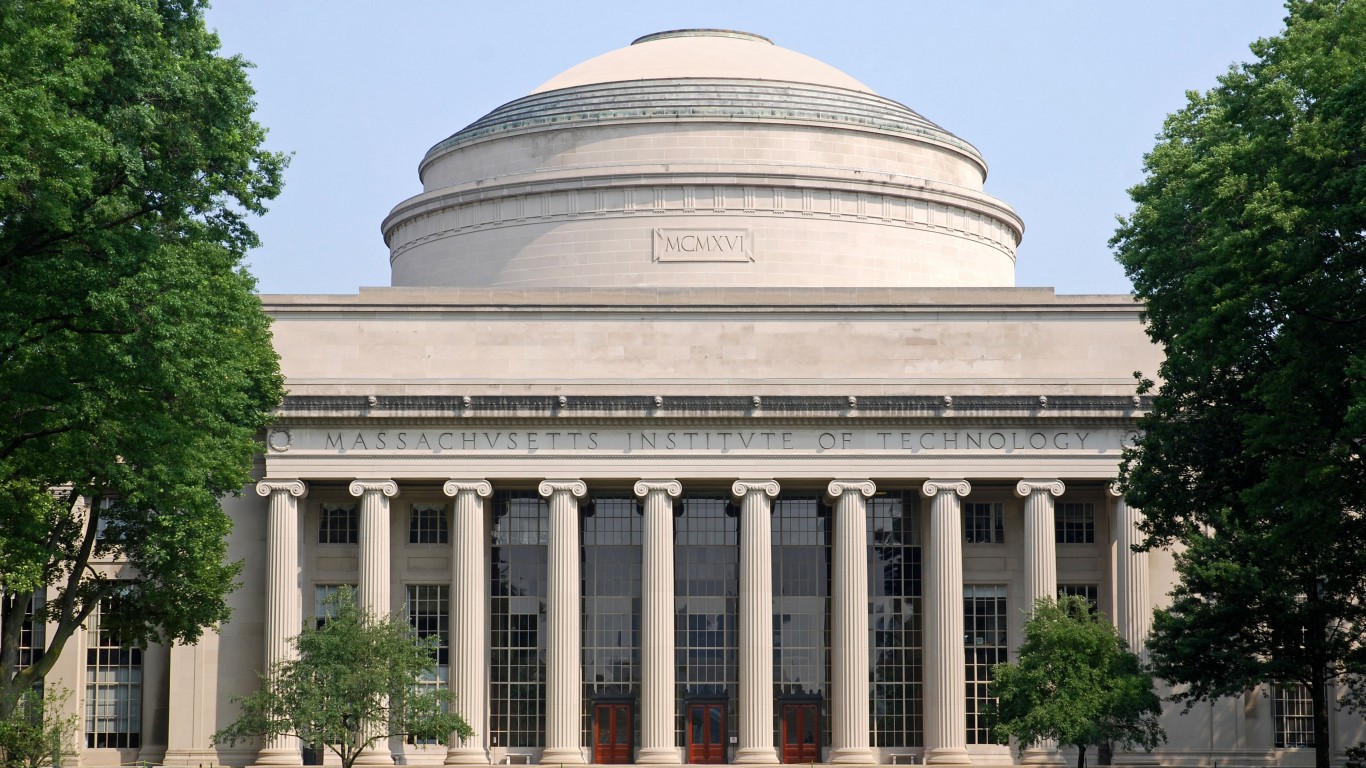
Yield rate: 79% - Massachusetts Institute of Technology
Total applicants: 19,020
Total admitted: 1,511
Total enrolled: 1,110
Yield rate: 73% - The Julliard School
Total applicants: 2,545
Total admitted: 157
Total enrolled: 113
Yield rate: 72% - Southeastern Louisiana University
Total applicants: 4,293
Total admitted: 3,748
Total enrolled: 2,616
Yield rate: 70% - University of Wisconsin Colleges
Total applicants: 6,029
Total admitted: 4,548
Total enrolled: 3,195
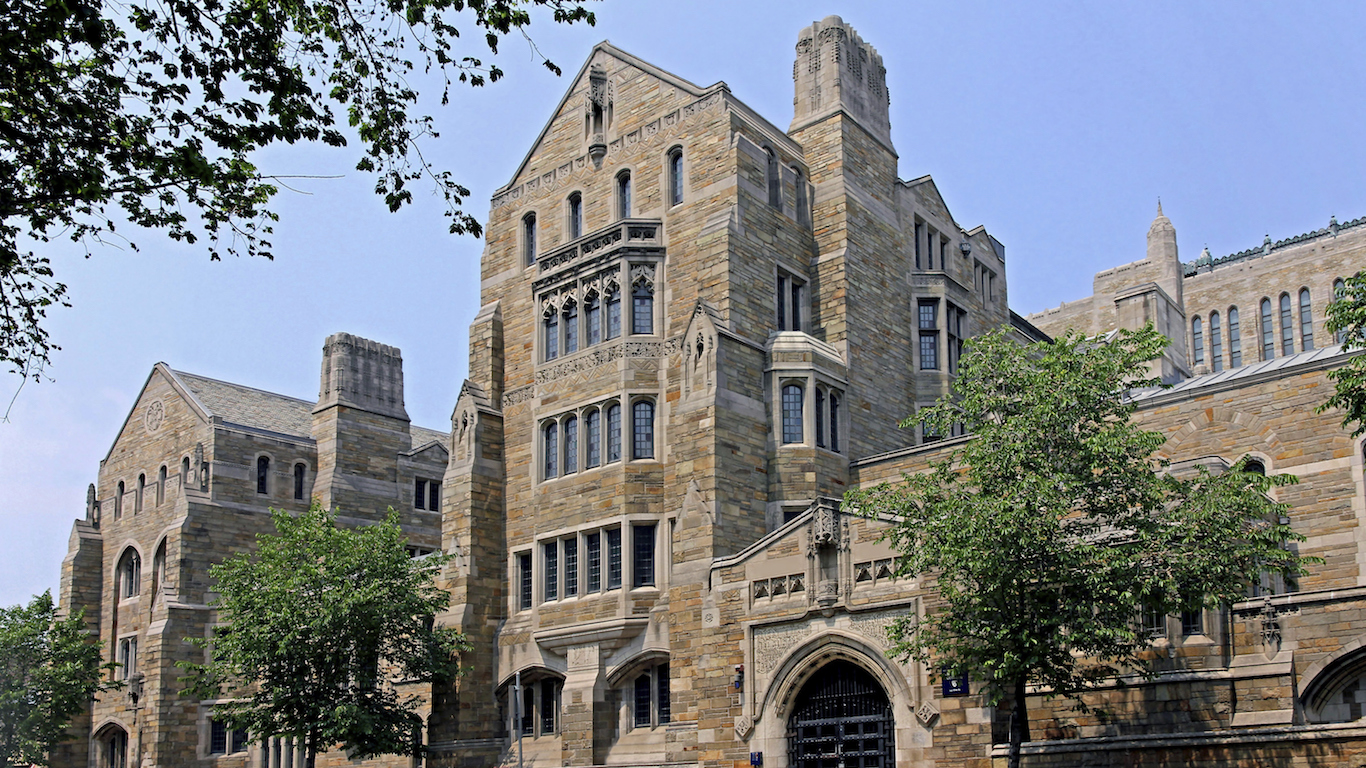
Yield rate: 70% - Yale University
Total applicants: 31,445
Total admitted: 1,988
Total enrolled: 1,367
Yield rate: 69% - Fashion Institute of Technology
Total applicants: 4,632
Total admitted: 1,872
Total enrolled: 1,272
Yield rate: 68%
For the complete lists of all 500 colleges in each of the three categories, visit the LendEDU website.
[wallst_email_signup]










 Top Gaining Stocks
 Top Losing Stocks