


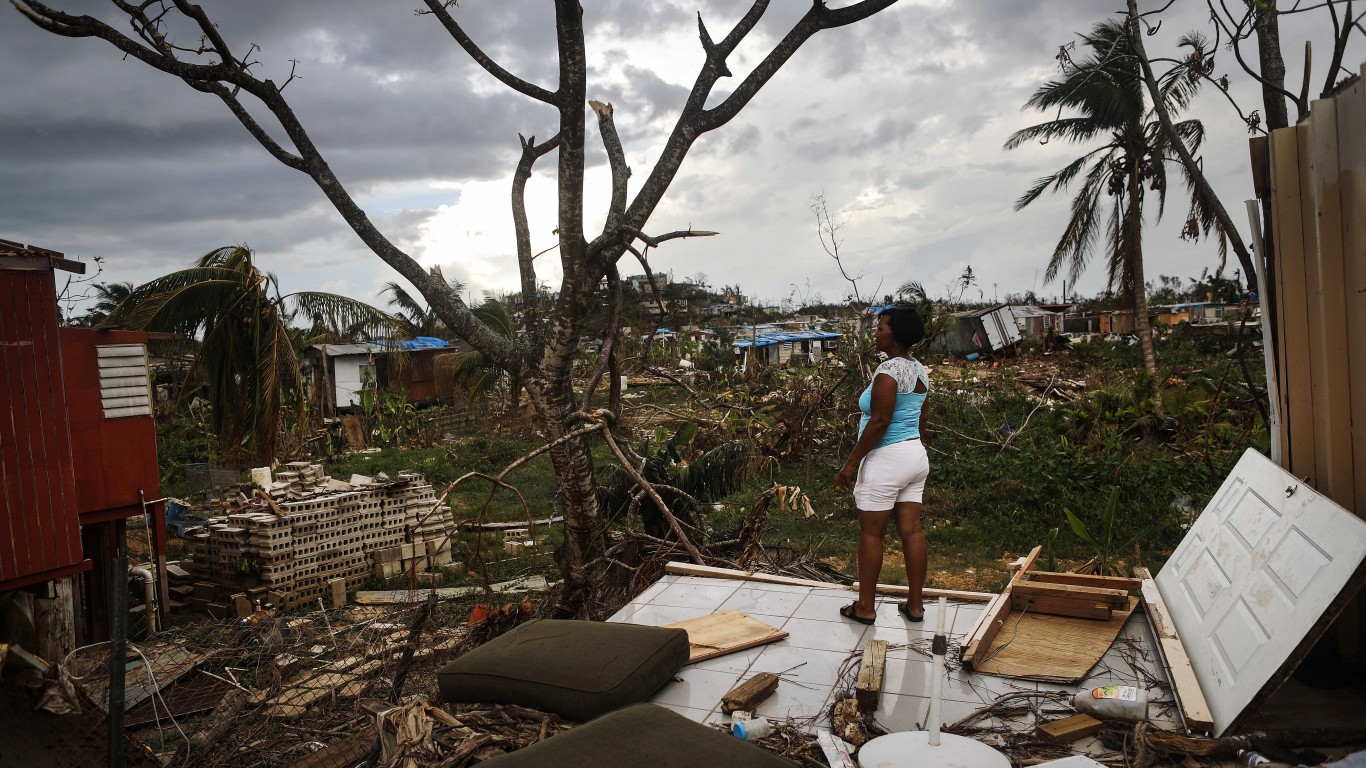
A new survey shows that natural disasters cost the world $225 billion last year. Most of the damage was done by weather-related catastrophes. The majority of the costs came from hurricanes.
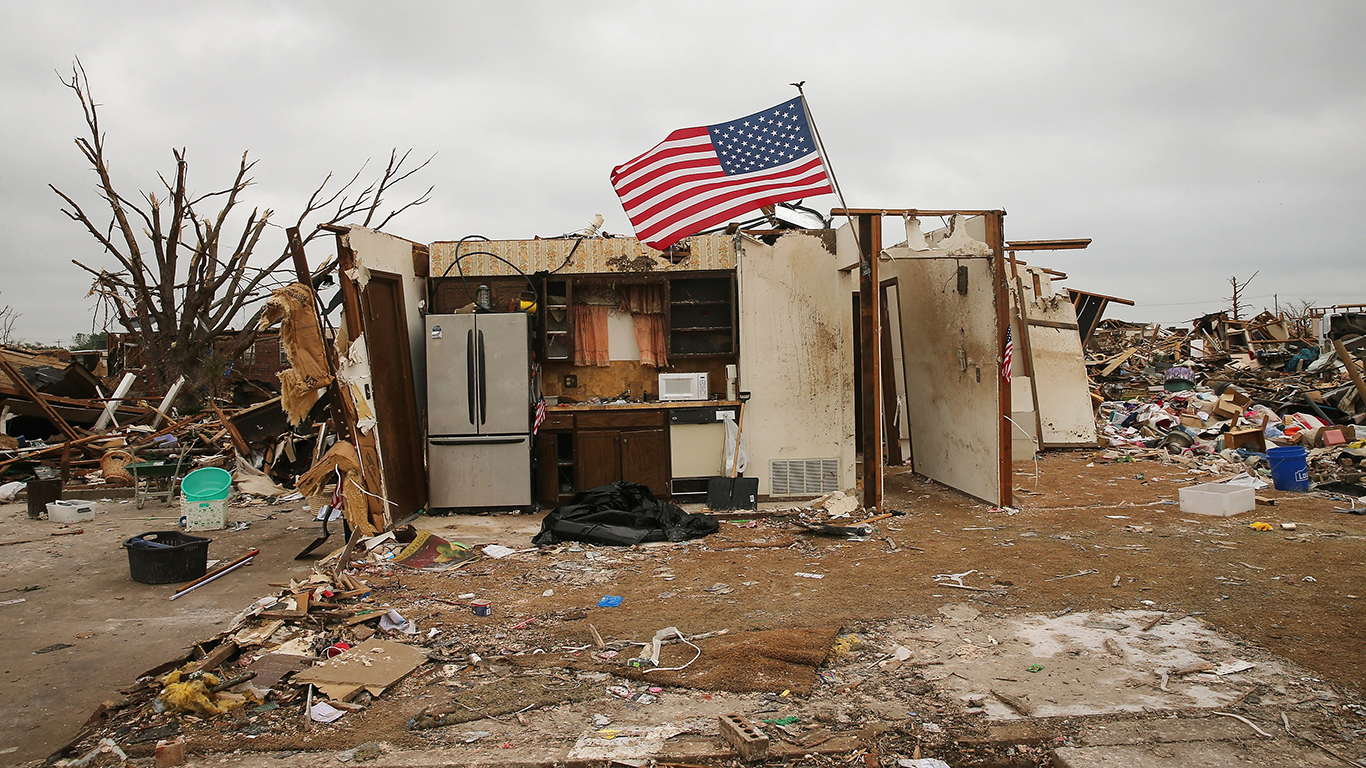
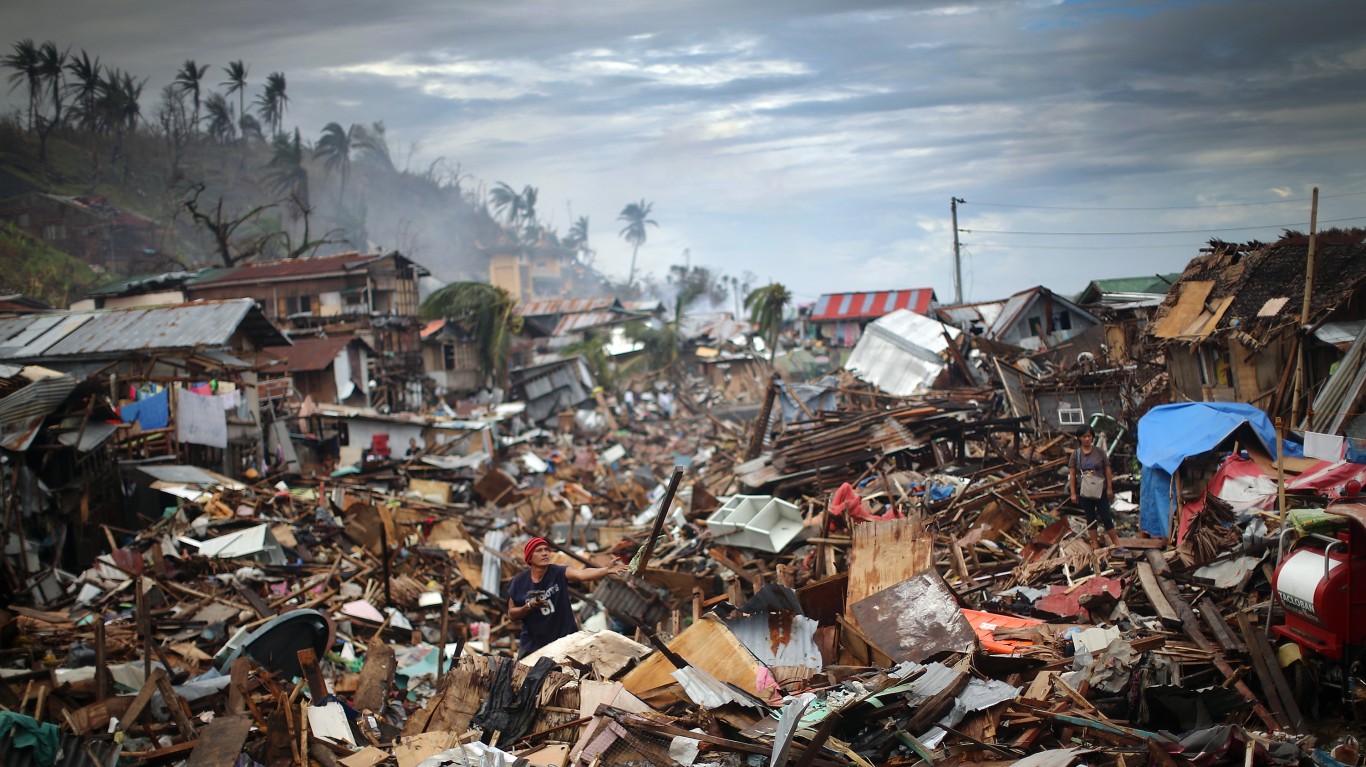
Huge insurance company AON issued its Weather, Climate & Catastrophe Insight: 2018 Annual Report. Data show 394 natural catastrophes in 2018 triggered the economic losses. Hurricanes and cyclones that made landfall caused tremendous and costly damage. Among the worst were Hurricane Michael and Hurricane Florence in the United States; Typhoon Jebi and Typhoon Trami in Japan; Typhoon Mangkhut hit the Philippines, Hong Kong and China; and Typhoon Rumbia in China. Andy Marcell, CEO of Aon’s Reinsurance Solutions business, commented: “2018 was another active year for global natural disasters. While there was not a singular ‘mega’ catastrophe event, there were 42 billion-dollar events which aggregated to a slightly above-average year.”
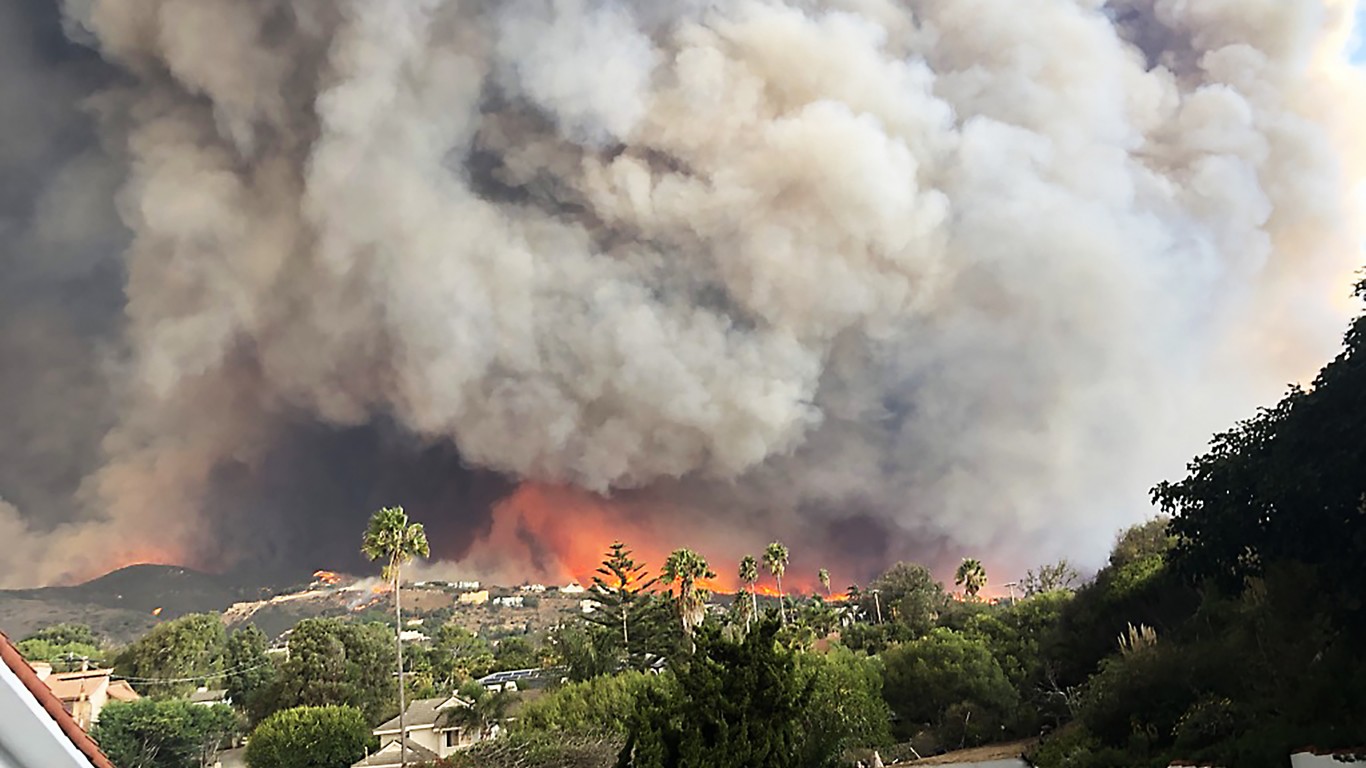
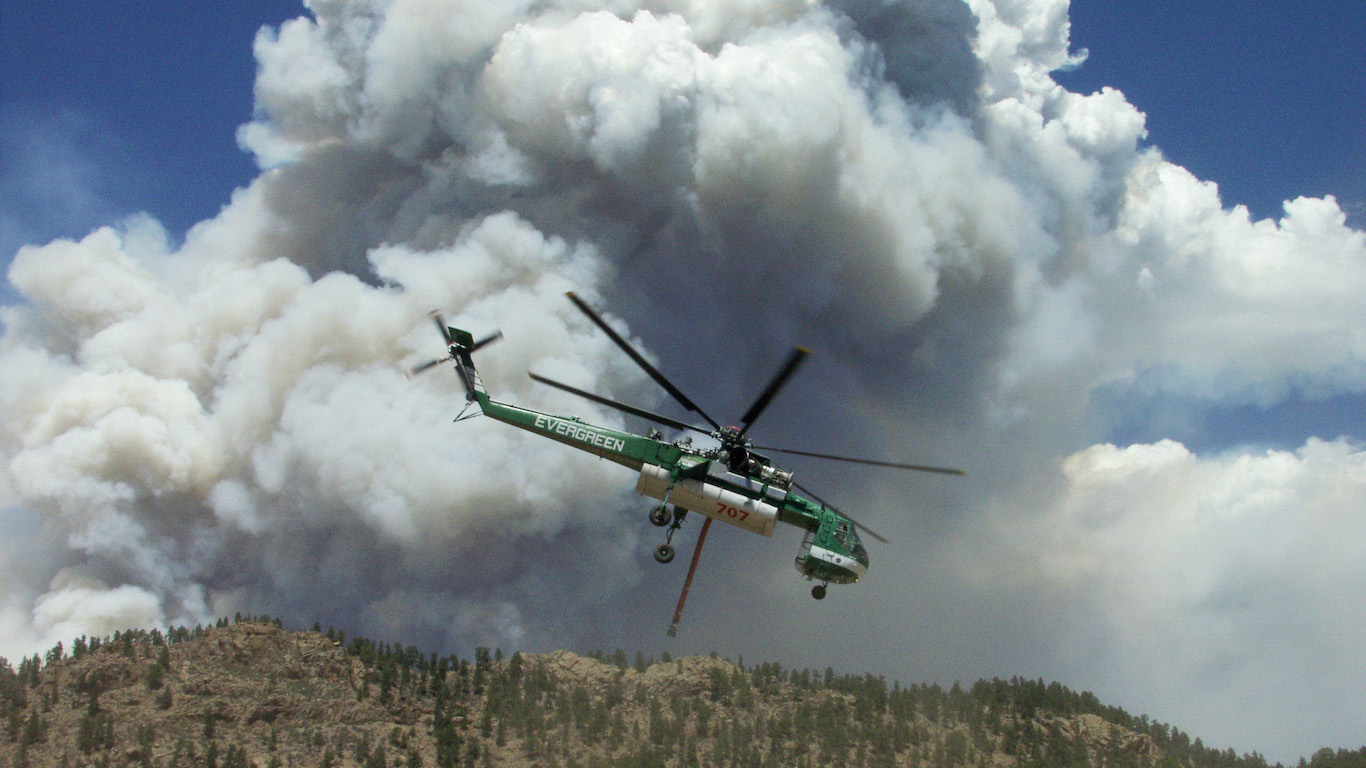
Relatively new to the list is the rising number of wildfires. Among the most severe were those that hit California late last year. October’s Camp Fire destroyed almost 19,000 structures. This included nearly all of the city of Paradise. Total economic costs were estimated to at nearly $15 billion. Windstorm Friederike did $2.1 billion to parts of the United Kingdom, Ireland and Western Europe. Parts of Europe were hit by drought that did $9 billion in damage, particularly to agriculture. Drought also caused extreme economic loss in the United States, Argentina, China and India.
The 88-page report said in more detail:
The overall number of named storms was above average in 2018. While the final numbers are still subject to reanalysis by international tropical cyclone agencies, current numbers indicate there were 95 named storms; higher than the average (1980–2017) of 86 and the most named storms since 2015.
[nativounit]
Sixteen category 1 or stronger hurricanes or cyclones made landfall throughout the year. Specifically, rainfall from the storms that hit the United States rose to extreme levels in some places. This included 64 inches of rain in Texas, mostly from Hurricane Harvey, and 39 inches of rain in North Caroline from Hurricane Florence.
Data show that wildfires in the United States have reached epic proportion. Of the three largest wildfires in the region, three were in the last two years. Damage from the Camp Fire hit $12 billion. Damage from the 2017 Tubes Fire reached $8.9 billion. Damage from last year’s Woolsey Fire hit $4.5 billion.
Global warming was a reason for the weather that caused most of the destruction. AON pointed out:
It is worth noting that each of the five warmest years on record has occurred in the past five years: 2016, 2015, 2017, 2018 and 2014. Perhaps even more striking is that 19 out of the 20 warmest years have been registered since 2001.
The global rise in carbon dioxide and the melting of polar regions were also given as significant reasons for the increase of damaging weather events.
The AON report showed no optimism that climate change will improve and, therefore, the damaging weather events will continue.
[wallst_email_signup]










 Top Gaining Stocks
 Top Losing Stocks