



In 2018, sweetheart swindles were the seventh-most reported form of fraud, and the most expensive for victims, with a median loss of $2,600, fully seven times higher than the median loss for all other types of fraud, according to the U.S. Federal Trade Commission (FTC), the government body that works to protect Americans from fraud and identity theft.
The total dollar loss rose to $143 million in 2018, up 63% from the $88 million lost in 2017. The FTC’s Consumer Sentinel network received more than 21,000 complaints of romance scams last year, more than any other type of consumer fraud the network tracks.
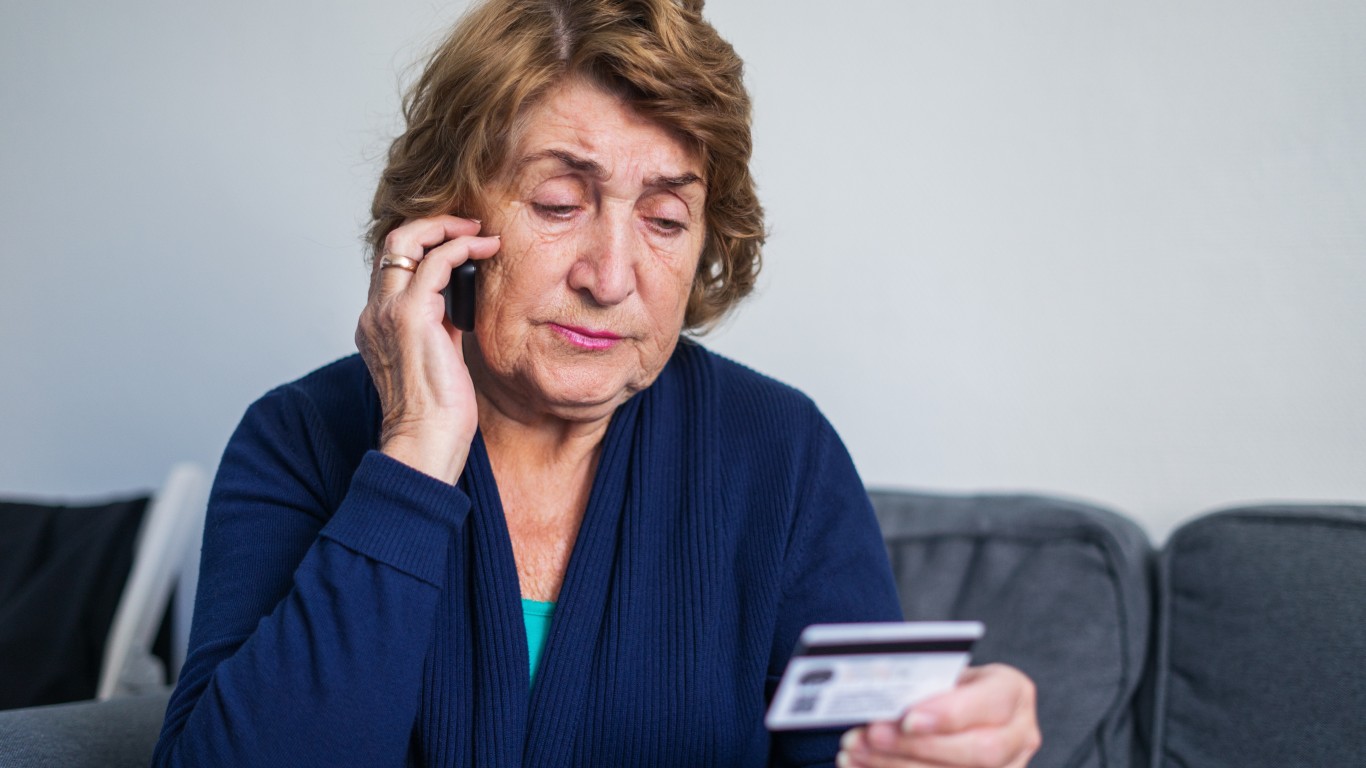
Americans over the age of 70 are particularly vulnerable, reporting a median loss of $10,000 to the fraudsters who find their victims through an online dating site, mobile app or social media. Criminals then create a phony profile, often using a photo of a complete stranger found online.
Once they have a profile, the scammers troll for victims, nurture the relationships by building trust and then ask for money. The process sometimes takes days and could take months.
[nativounit]
The majority of victims wired money to scammers who said they were either out of the country or in military service and therefore could not meet in person. Reloading gift or debit cards was another common way for a fraudster to steal. Victims either mailed cards to scammers or gave them the identification number on the back of the card. These reloadable cards have the virtues (for the con artists) of delivering cash quickly in a transaction that is difficult to reverse and that maintains anonymity for the scammer.
The FTC offers these tips to help spot fake suitors:
- Never send money or gifts to a sweetheart you haven’t met in person.
- Talk to someone you trust about this new love interest. In the excitement about what feels like a new relationship, we can be blinded to things that don’t add up. Pay attention if your friends or family are concerned.
- Take it slowly. Ask questions and look for inconsistent answers. Try a reverse-image search of the profile pictures. If they’re associated with another name or with details that don’t match up, it’s a scam.
A non-governmental group that tracks romance scams is the National Consumer League (NCL). Earlier this month the organization reported that its records show the average loss to victims of romance scams last year was $18,831, the highest average for any type of fraud reported to the NCL. The number of these sweetheart swindles rose 45% year over year in 2018, the highest growth rate among any of the top 10 scams.
[recirclink id=528021]
[wallst_email_signup]










 Top Gaining Stocks
 Top Losing Stocks