


Key Points
- Senior scams accounted for $538 million in losses last year.
- This age group is an easy target because they quickly trust new information.
- It’s important to know the signs something might be a scam.
- Also: Are You On Track to Retire? Take This Quiz and Find Out (Sponsored)
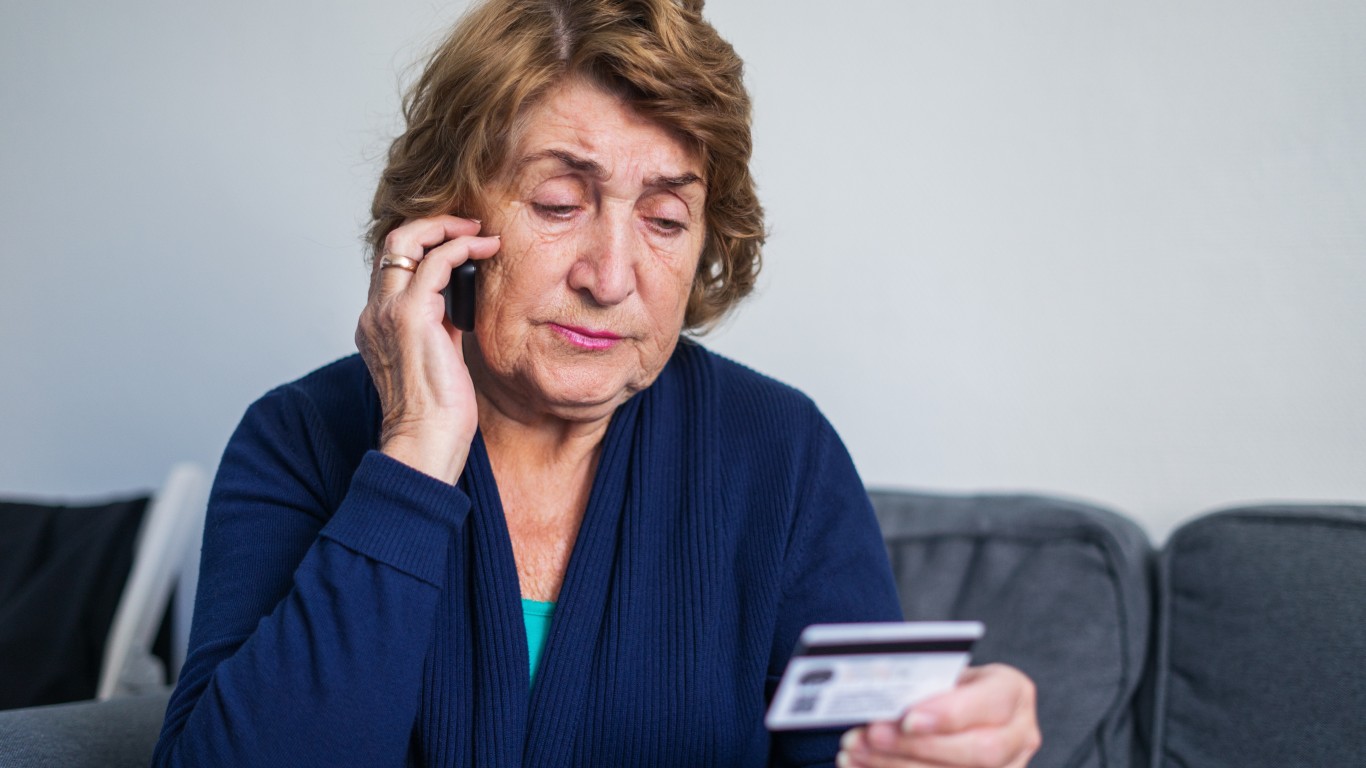
It’s a sad but true reality that scammers frequently target senior citizens who are among the most vulnerable as far as falling victim to malicious activity. The previous year was so difficult for senior scams that it cost this age group approximately $538 million in losses, a not-so-insignificant sum.
Considering this number is up from $400 million in 2022, scam artists are getting bolder and better. Whether through fake cryptocurrency, lottery scams, or tech support impersonation, this report from the FTC makes it clear there is work to do to better protect this age group.
Significant Financial Losses
According to the FTC report, “reported losses by older adults to investment scams continued to soar…to $538 million in 2023.” This is a shockingly high number and a disappointing one in that this money has unquestionably affected retirement lifestyles and someone’s ability to pay medical bills. It’s truly disheartening to understand this is a reality this age group, especially those 80 and over who suffered a loss of $48 million on their own, must face.
The types of scams that helped take this money were the most impactful across all age groups: fake cryptocurrency scams that targeted seniors through ads online and social media posts and platforms. Following crypto were impersonation scams, likely around tech support scams. An example would be someone impersonating a Microsoft employee who wants to help remove a virus from your computer.
Romance scams continued to be an issue for seniors, and this group felt they were obliged to invest in things like cryptocurrency based on the advice of an online romantic interest. The FTC report also expressed concerns that many impersonation scams involved using the FTC name and likeness.
How to Stop Senior Scams
In many ways, stopping senior scams boils down to awareness and ensuring this age group is informed about the types of scams taking place.
Be Wary
One of the most effective ways to stop a senior scam is to be wary about doing what you are asked to do. Many of the most effective scams targeting seniors prey on the idea that something is urgent and has to be taken care of immediately. This leaves the senior no time to reach out to family and get a second opinion on doing what is being asked.
Don’t Pay Anything
Stop immediately whenever someone asks to pay using a wire transfer, cryptocurrency, or gift card. A legitimate business will accept a credit card, and this is the only way you should issue payment. Credit cards have the proper measures to reverse a charge and protect against scams.
Don’t Reveal Private Information
Protecting your private information, especially your Social Security number, account passwords and numbers, and other identifying information, is vital. Knowing that you are 100% talking to the right bank, agency, or store is critical to feeling confident about revealing personal data, even a home address.
Talk to Someone
Under the same guise of being wary, it’s equally important that you don’t work with any scammer who tells you not to tell anyone. If they say, “This is our little secret,” that’s a dead giveaway that something is wrong. Once again, it’s important to ask a friend or family member to help you and make sure whoever you are in contact with is the real deal.
Avoid Suspicious Links
One of the most common ways a scammer targets seniors is by having them click on malicious links without anyone being the wiser. If you receive an unusual email asking you to click on an unfamiliar link, stop there. The moment you click on the link, it could open the door for someone to install a program on your computer and gain access to your accounts.
Add Extra Account Security
If it helps, work with a senior in your life to double up on account security by adding a password, a PIN, or two-factor authentication. I know this can be hard with someone unfamiliar with technology, but if it’s doable, it can stop a scammer if they try to gain access to your accounts.











 Top Gaining Stocks
 Top Losing Stocks