



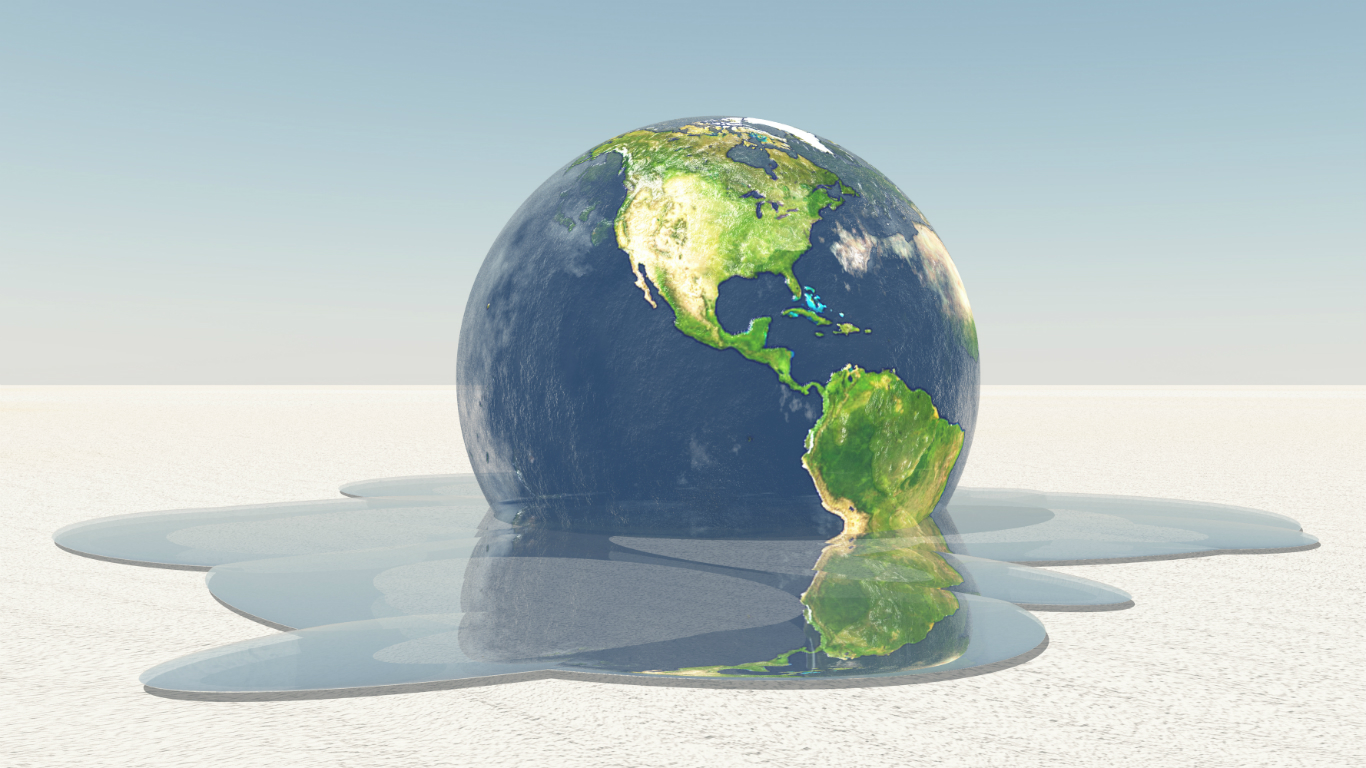
Record high ocean temperatures; rising sea levels; ocean acidification; shrinking sea ice, ice sheets and glaciers; and rising levels of atmospheric carbon dioxide — these are the leading indicators of a warming global climate, and it is past time to pay attention to the signals they are sending. Rising concentrations of greenhouse gases are driving global temperatures to “increasingly dangerous levels,” according to a new report.
On Thursday, the World Meteorological Organization (WMO), a specialized agency of the United Nations, released its “Statement on the State of the Global Climate in 2018,” noting that the global mean temperature in 2018 was nearly 1° Celsius higher than the pre-industrial baseline temperature recorded between 1850 and 1900.
Last year was the fourth warmest on record, and the past four years were the four warmest ever recorded. In 2017 (the last year for which data is available), atmospheric carbon dioxide levels averaged 405.5 parts per million (ppm), up from 357 ppm in 1994 when the WMO first published its annual statement.
Levels of methane and nitrous oxide reached 257% and 122%, respectively, of pre-industrial levels in 1750. Carbon dioxide concentration was 146% higher than the pre-1750 level. Global carbon dioxide emissions in 2018 are expected to reach 36.9 billion tons, a record high.
[nativounit]
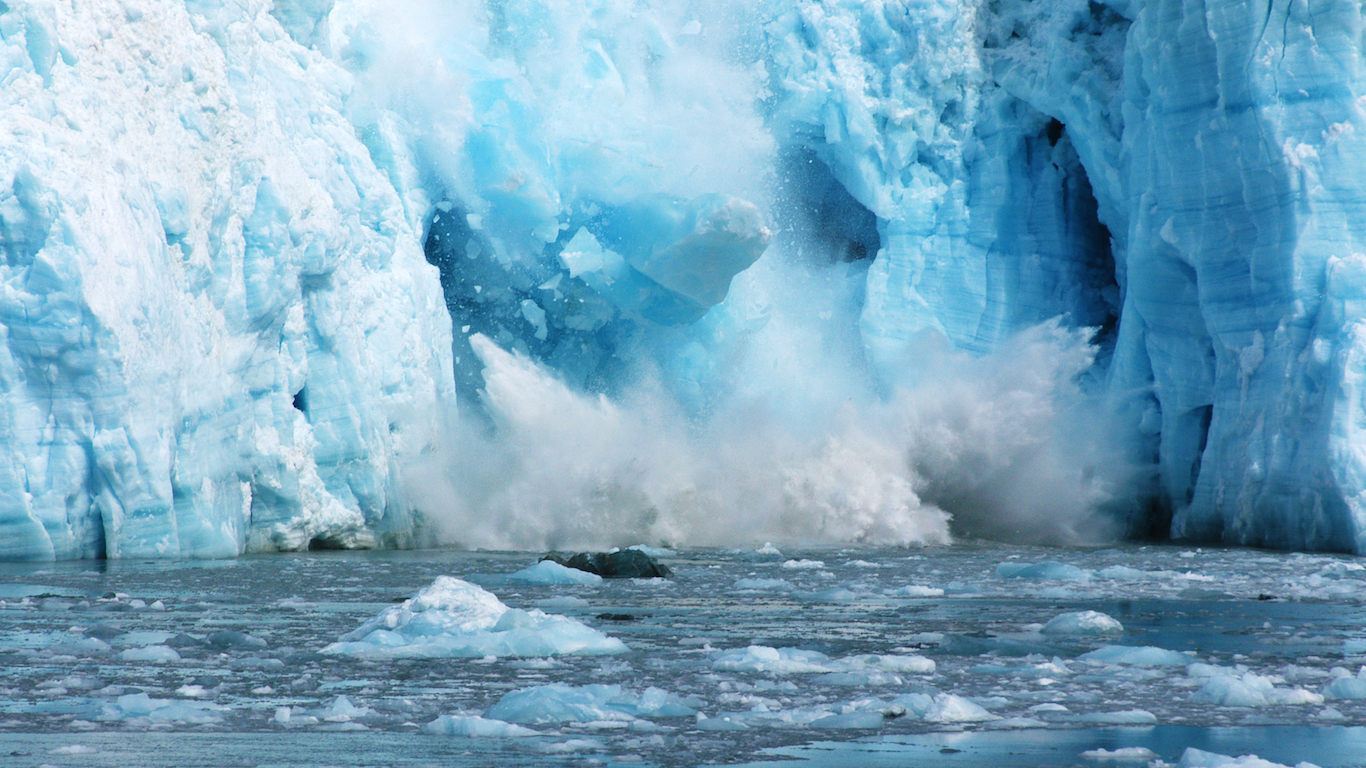
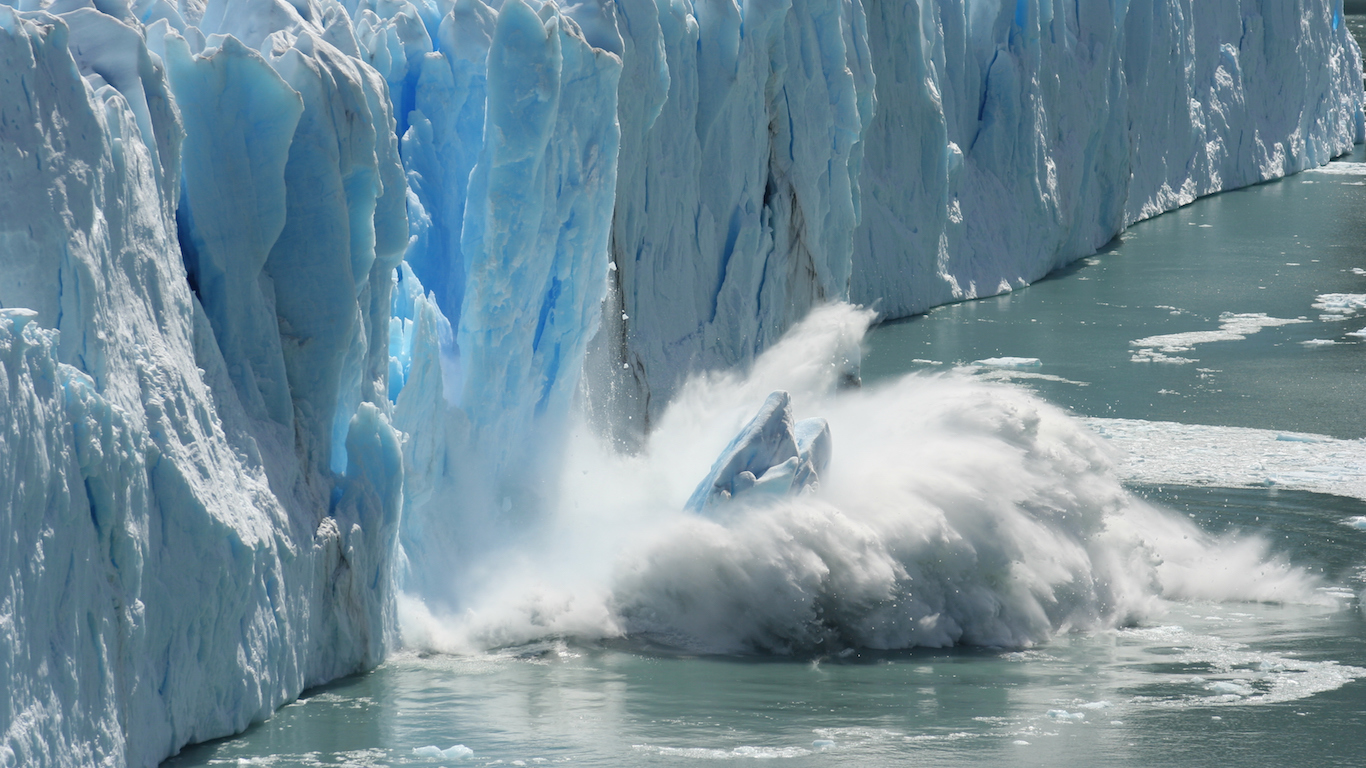
The WMO report noted that more than 90% of the heat trapped by greenhouse gases is held in the world’s oceans and that measuring ocean heat content in the upper 700 and upper 2,000 meters of the oceans set a record in 2018. Global mean sea level rose by about 3.8 millimeters (about 0.15 of an inch) last year and is now at its highest level ever. The rise is attributed primarily to the loss of ice mass from the world’s ice sheets.
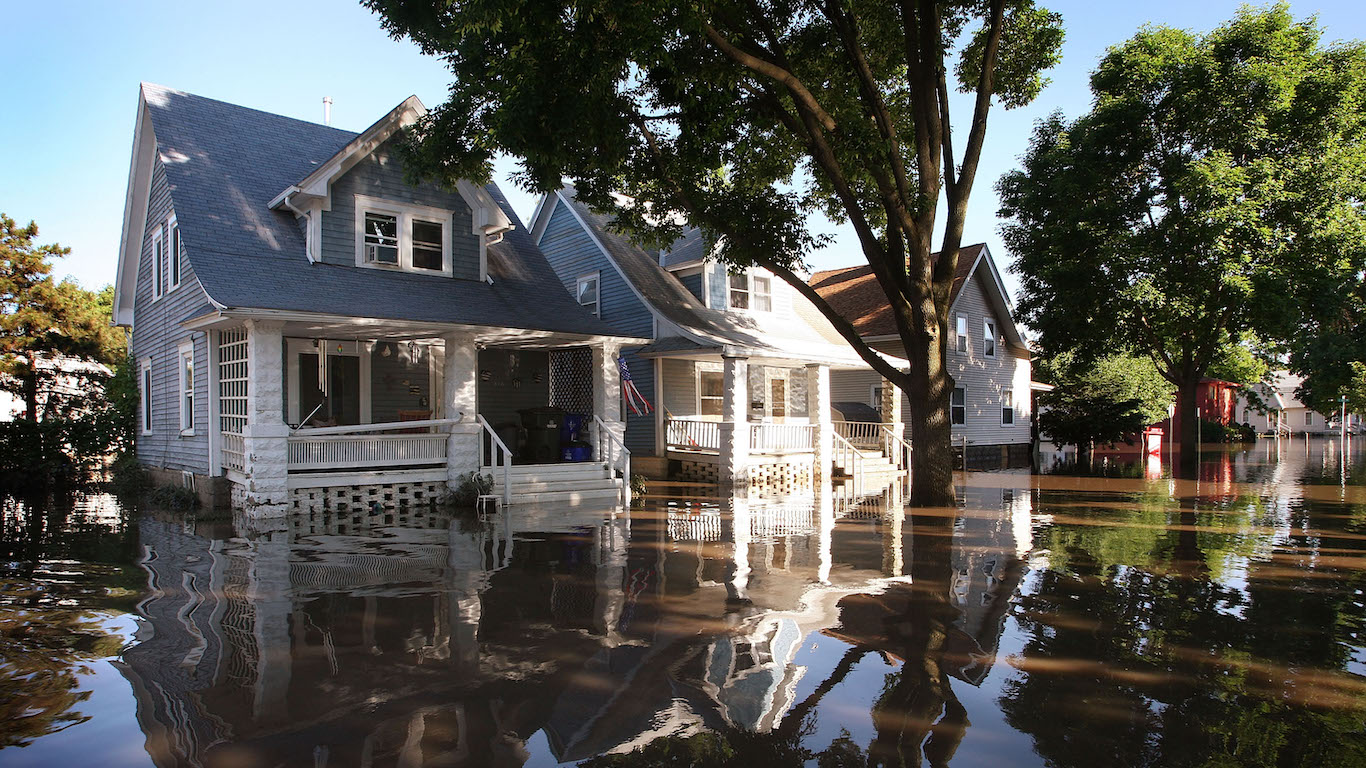
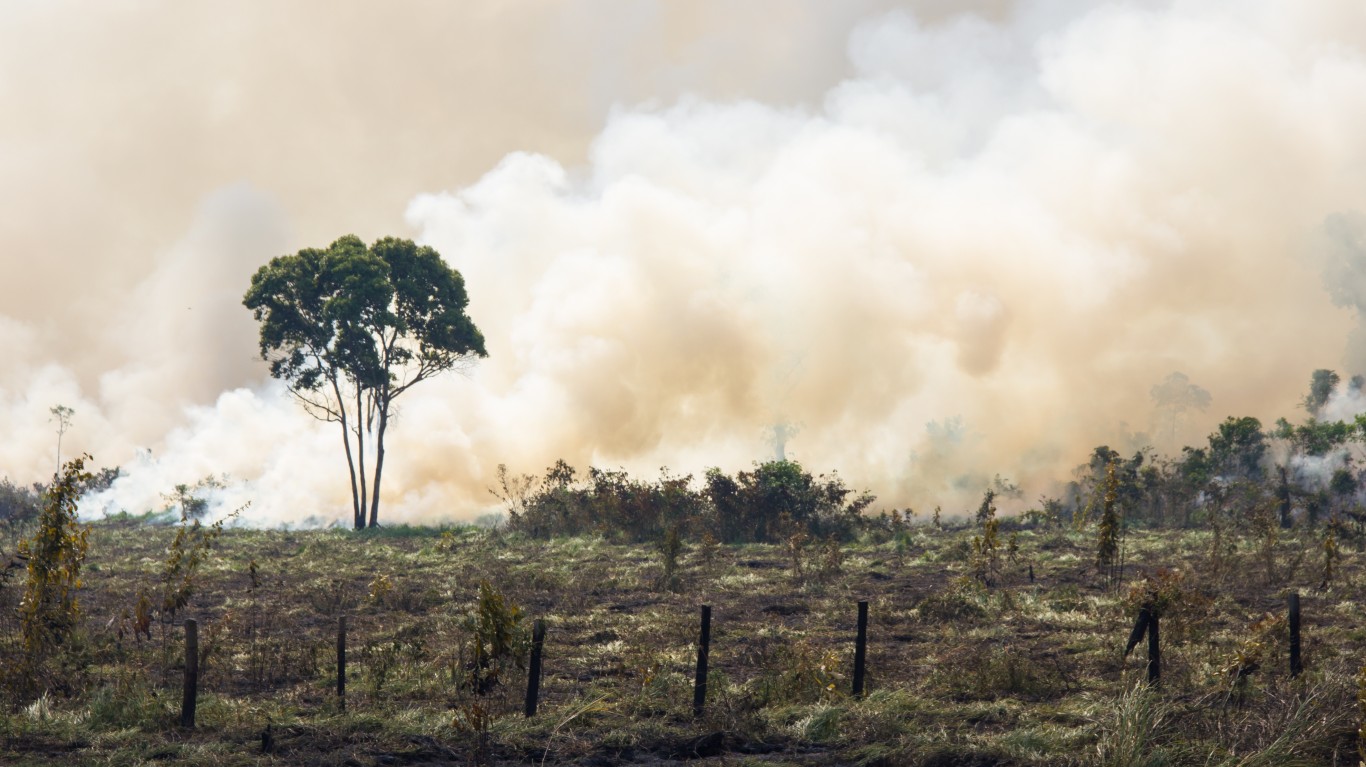
The effects of the changing climate were manifested in several ways, according to the WMO report. Nearly 62 million people were affected by extreme weather events last year, including 35 million by flooding. More than 1,600 deaths were associated with intense heat waves and wildfires in Europe, Japan and the United States. Flooding and wildfire damage amounted to about $73 billion in the United States alone last year.
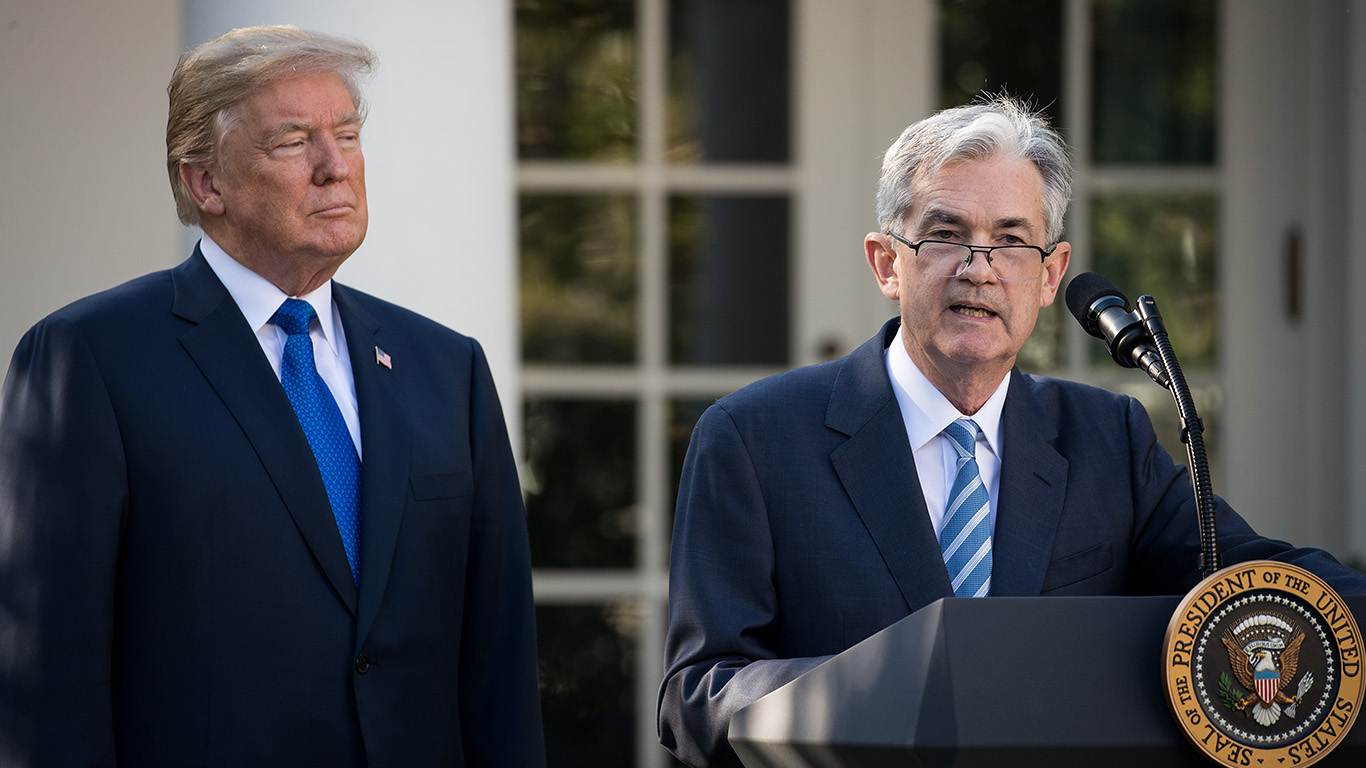
The WMO report comes in the same week as a research paper from the U.S. Federal Reserve Bank of San Francisco that concluded that the effects of climate change on the U.S. economy are “relevant considerations for the Federal Reserve in fulfilling its mandate for macroeconomic and financial stability.” The Fed’s executive vice-president of economic research, Glenn D. Rudebusch, noted that the short-term costs, such as potential losses from credit-risk exposure and losses on loans to businesses wiped out by extreme weather events, have led some countries’ central banks to conduct “climate stress tests” to assess financial institutions’ ability to remain solvent under future climate change alternatives.
Rudebusch also argues that “climate change is becoming relevant for a range of macroeconomic issues, including potential output growth, capital formation, productivity, and the long-run level of the real interest rate.” He also said that the Fed cannot use monetary policy or its balance sheet (for “green” quantitative easing) to foster a transition to a low-carbon economy.
The WMO report and the Fed’s acknowledgment of the relevance of climate change to macroeconomic issues were underscored by U.N. General Assembly President Maria Fernanda Espinosa Garcés, who expressed a “need for a holistic understanding of the socioeconomic consequences of increasingly intense extreme weather on countries around the world.”
[recirclink id=532043]
[wallst_email_signup]







 Top Gaining Stocks
 Top Losing Stocks