



If there is one industrial component that can help sway the impact of gross domestic product (GDP), look no further than the monthly report on durable goods. These big-ticket items that consumers and businesses purchase have multiyear and long-term product life cycles rather than being completely consumed in one use.
The U.S. Department of Commerce reported that durable goods declined by 1.3% ($3.3 billion) to a level of $243.4 billion in the month of May. While this is a very volatile number, routinely showing upside surprises in bad times and disappointing surprises in good times, The Wall Street Journal had published a consensus economist estimate of −0.3% in May.
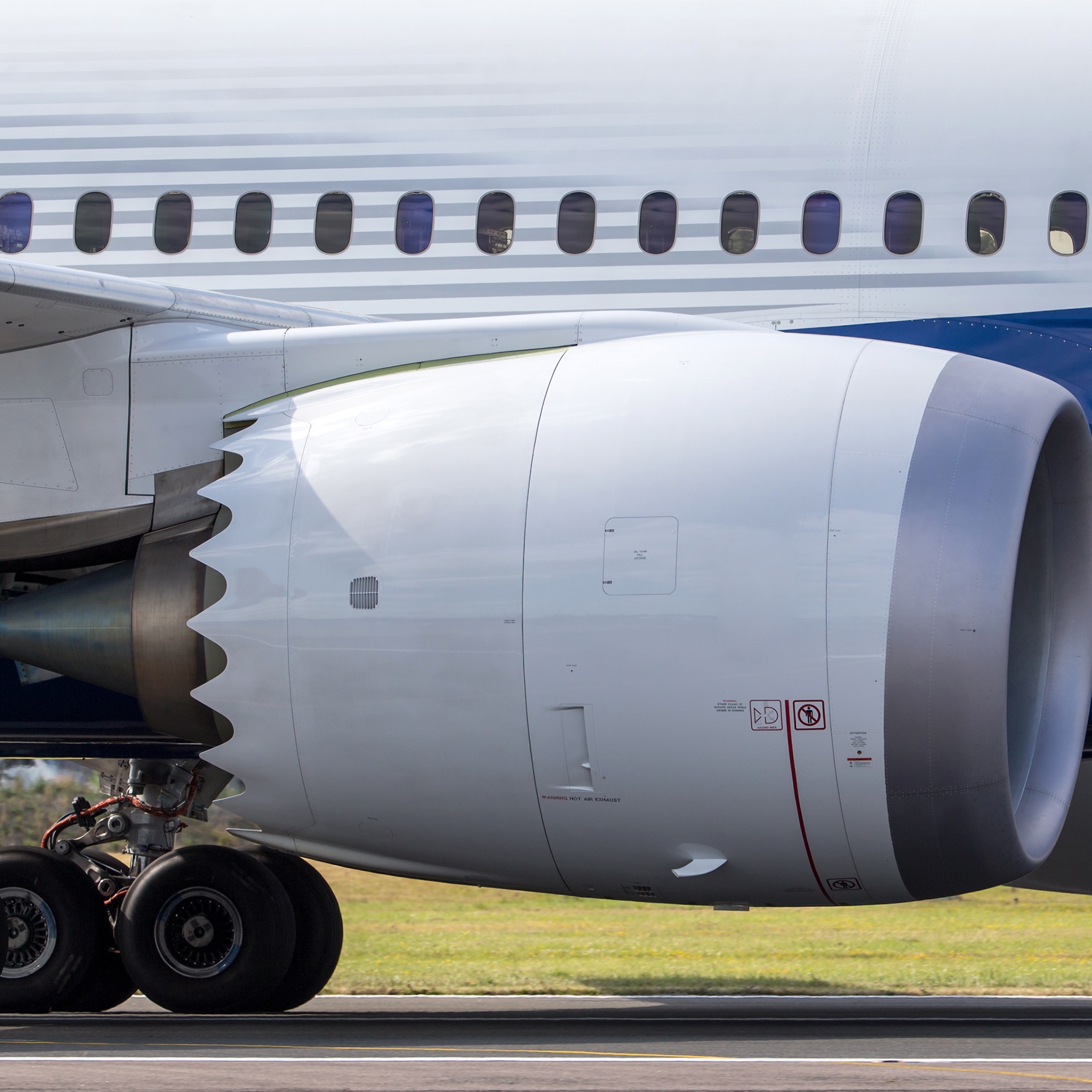
This decrease now makes for a drop in three of the past four months and follows a 2.8% drop in April. Much of the drop is directly attributable to lower civilian aircraft sales, and that is directly tied to Boeing Co. (NYSE: BA | BA Price Prediction) not being able to sell or deliver any of its 737 MAX jets due to a grounding after two deadly plane crashes involving the new jet. The Commerce Department showed that transportation equipment drove the decrease by some $3.9 billion.
The core reading for durable goods is the nondefense new orders for capital goods. This was also quite weak, with a drop of $1.7 billion (or 2.3%) to $70.8 billion. Shipments increased by $0.3 billion and unfilled orders decreased by $5.3 billion.
The durable goods orders excluding transportation actually rose by 0.3% in May, and the orders excluding defense decreased by 0.6%. Shipments of manufactured durable goods in May increased by $0.9 billion (or 0.4%) to $254.1 billion in May. Machinery orders rose by $0.4 billion (or 1.1%) to $33.4 billion.
Unfilled orders for manufactured durable goods decreased by $6.4 billion (or 0.5%) to $1.1712 trillion. Unfilled orders for transportation fell by $5.8 billion (0.7%) to $803.6 billion.
Inventories increased by $2.1 billion (or 0.5%) to $424.6 billion, with transportation equipment inventories rising by $2.1 billion (or 1.6%) to $138.4 billion.
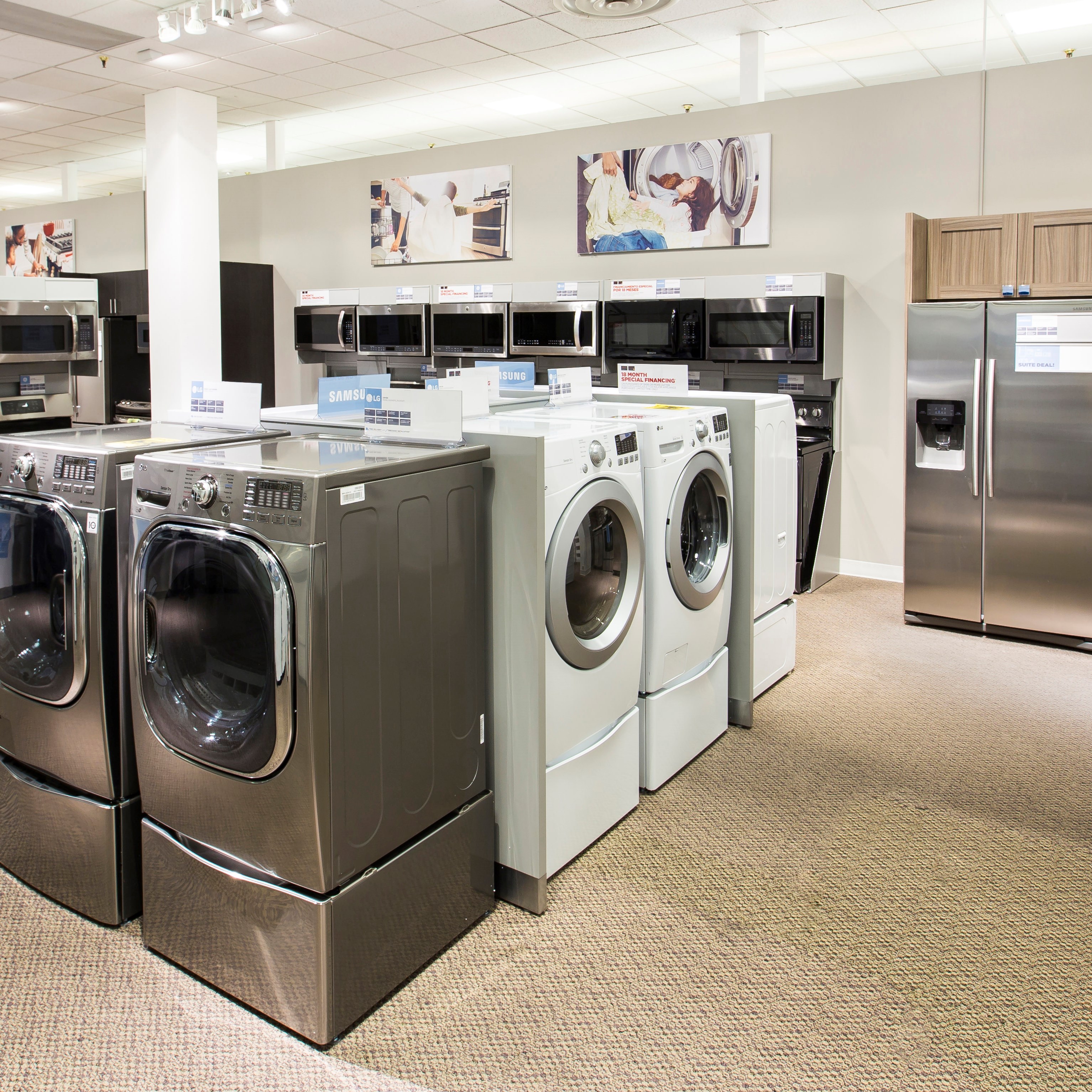
It is important to consider that the United States is no longer reliant upon manufacturing as the mainstay. Nearly 70% of seasonally adjusted GDP now comes from services and nonmanufacturing operations. The list of durable goods is too large to name in its entirety, but these are some of the items that would be classified: airplanes, automobiles, machinery, books, home appliances and furniture, consumer electronics, tools and toys, sporting and recreation equipment, medical equipment and so on.
[recirclink id=556361]
[wallst_email_signup]









 Top Gaining Stocks
 Top Losing Stocks