


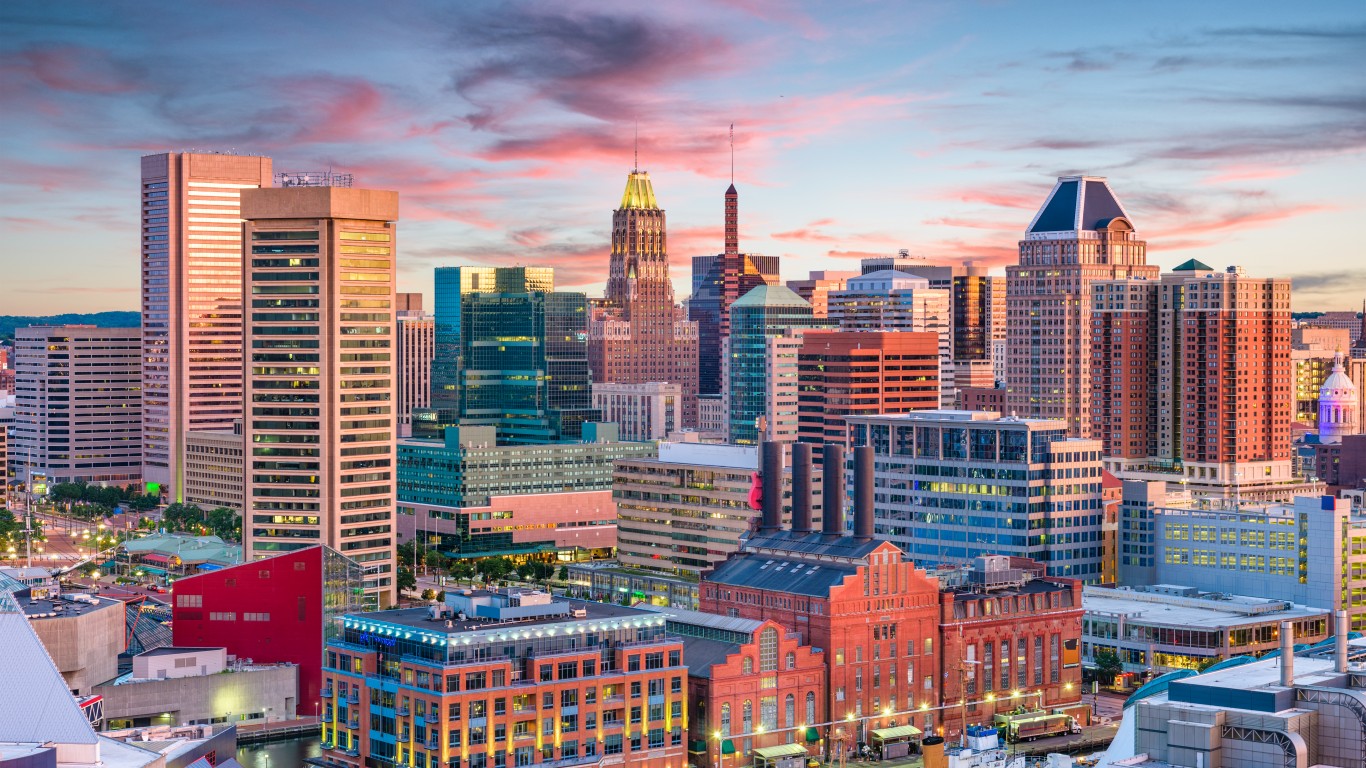
Could hackers take control of much of your town’s government and essentially hold it for ransom as the only means to get its systems back online? It’s a question that is being asked more and more often.
Lake City, Florida, recently paid $462,000 in bitcoin to get its government systems back online after a cyberattack, according to The Wall Street Journal. Fortunately, its insurance carrier paid the sum. A similar incident in Riviera Beach, Florida, cost its insurer $600,000. The attacks have become ever more frequent, and these ransomware incidents do not have a pattern that might allow towns to protect themselves. Some towns do not have the most modern cybersecurity systems either.
These attacks are not limited to small towns and cities. Atlanta was hit last year. Baltimore was hit and estimates the costs of the attack will rise to nearly $20 million in IT costs and lost revenue, according to the mayor’s office. Michael Tanenbaum, head of North America cyber and professional liability at insurance giant Chubb, said in comments to The Wall Street Journal: “We do see an increased frequency against municipalities.” Chubb warned in its annual analysis of cybersecurity trends that “Already a threat on the rise, ransomware will continue to grow and will remain a top cyber threat for the next five years, and will become even more destructive and costly.”
The ransomware often gets into city systems via email. An unsuspecting government employee opens what appears to be an innocent message. That, in turn, releases the attack into city IT systems. Criminals engineer many of the attacks. Some may come from groups supported by governments like North Korea. In either case, the identity of the parties is often impossible to tell. Also, cities often keep attacks secret, likely to protect against extensive media coverage that might give the hackers more leverage. This means the number of attacks may be much larger than those reported.
[nativounit]
Many outsiders also do not know the effects of these attacks on important city functions. In Baltimore, the hackers made it impossible for people to pay everything from water bills to taxes and parking tickets. Many city employees were locked out of their email systems. The effects of the attack lasted for weeks. Baltimore is one of 50 American cities where crime is soaring.
What does a city do when attacked? Some pay the ransom, against the advice of the FBI and other law enforcement agencies. Some cities and towns do not believe they have a choice. Some can fall back on insurance policies. It is not clear that this is the case for all municipalities (some might not be insured) that have been attacked or might be in the future.
Two things are certain. The attacks will not end, because cybersecurity software is not adequate protection for the time being. And the attacks are widespread enough that almost any city can be hit. And will this affect quality of life? Some of these cities, like Baltimore, already are among the worst cities to live in America.
[recirclink id=542711]
[wallst_email_signup]







 Top Gaining Stocks
 Top Losing Stocks