


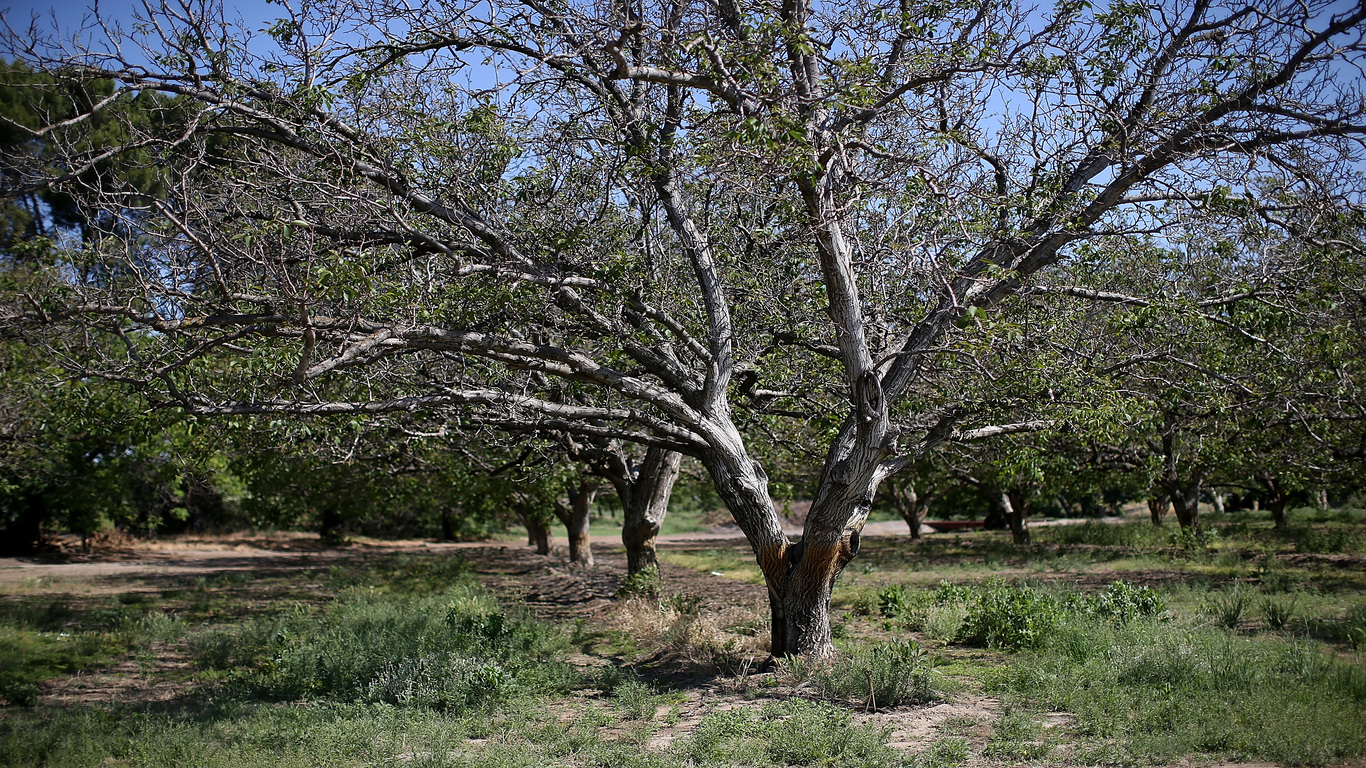
Think of it as a down payment on the trillions of dollars scientists say will be needed to achieve a net-zero carbon emissions future. That makes the projected $300 billion price tag to rejuvenate millions of acres of the earth into natural carbon sinks seem reasonable.
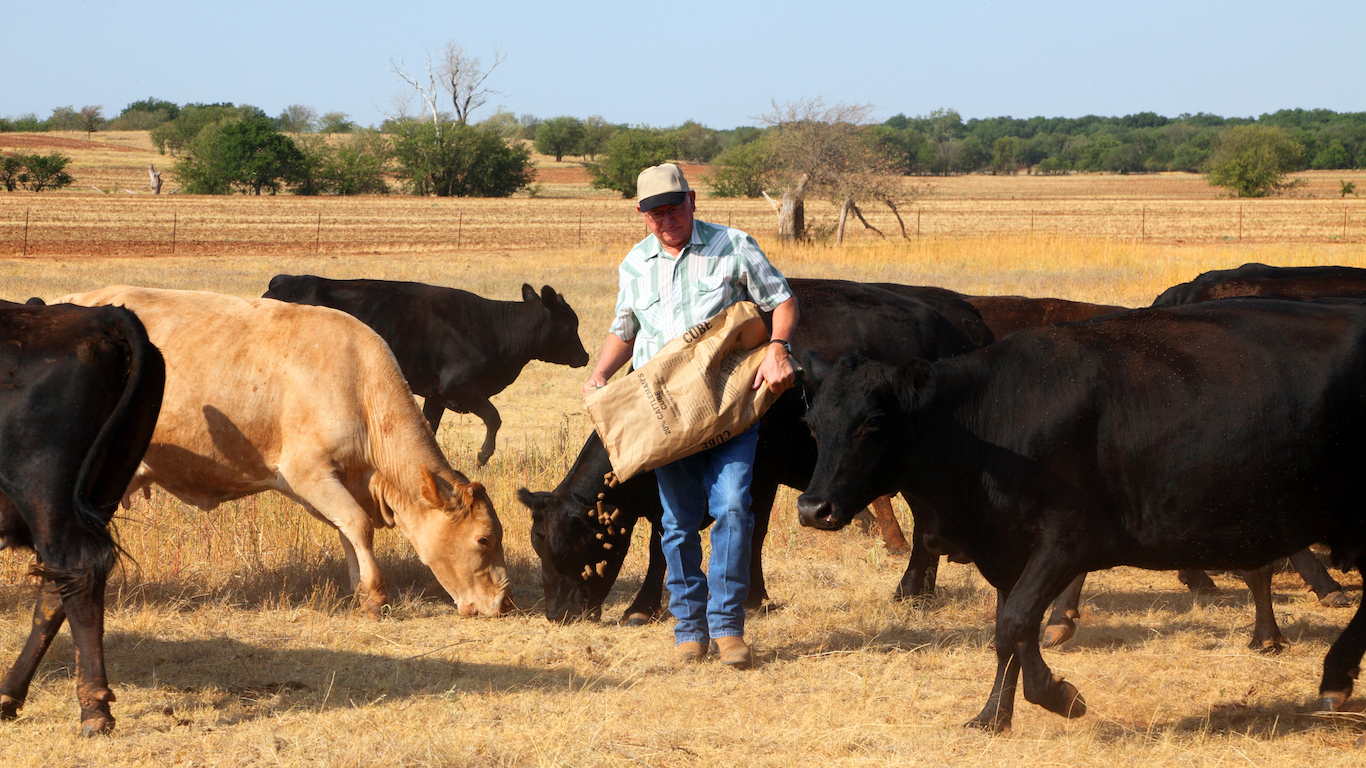
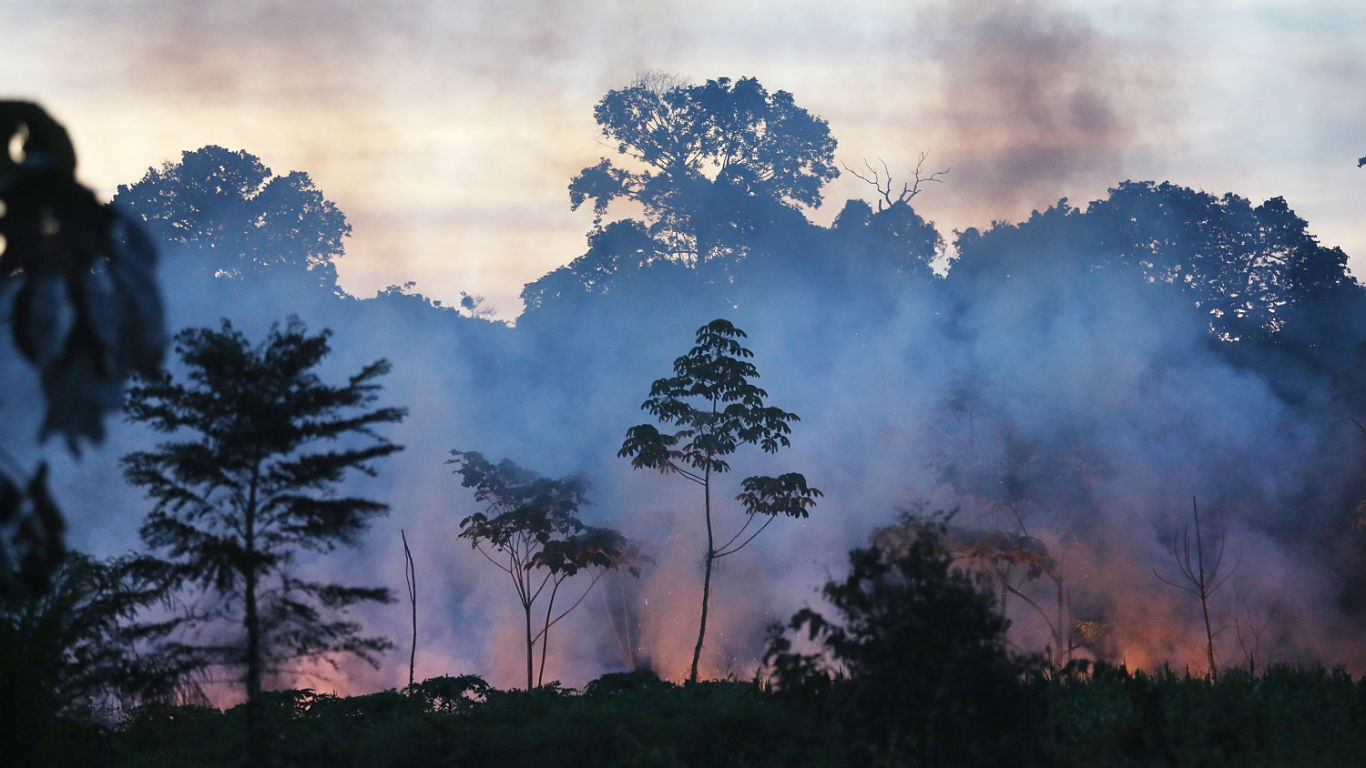
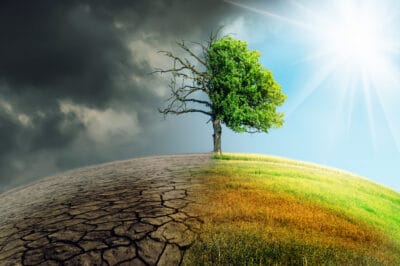
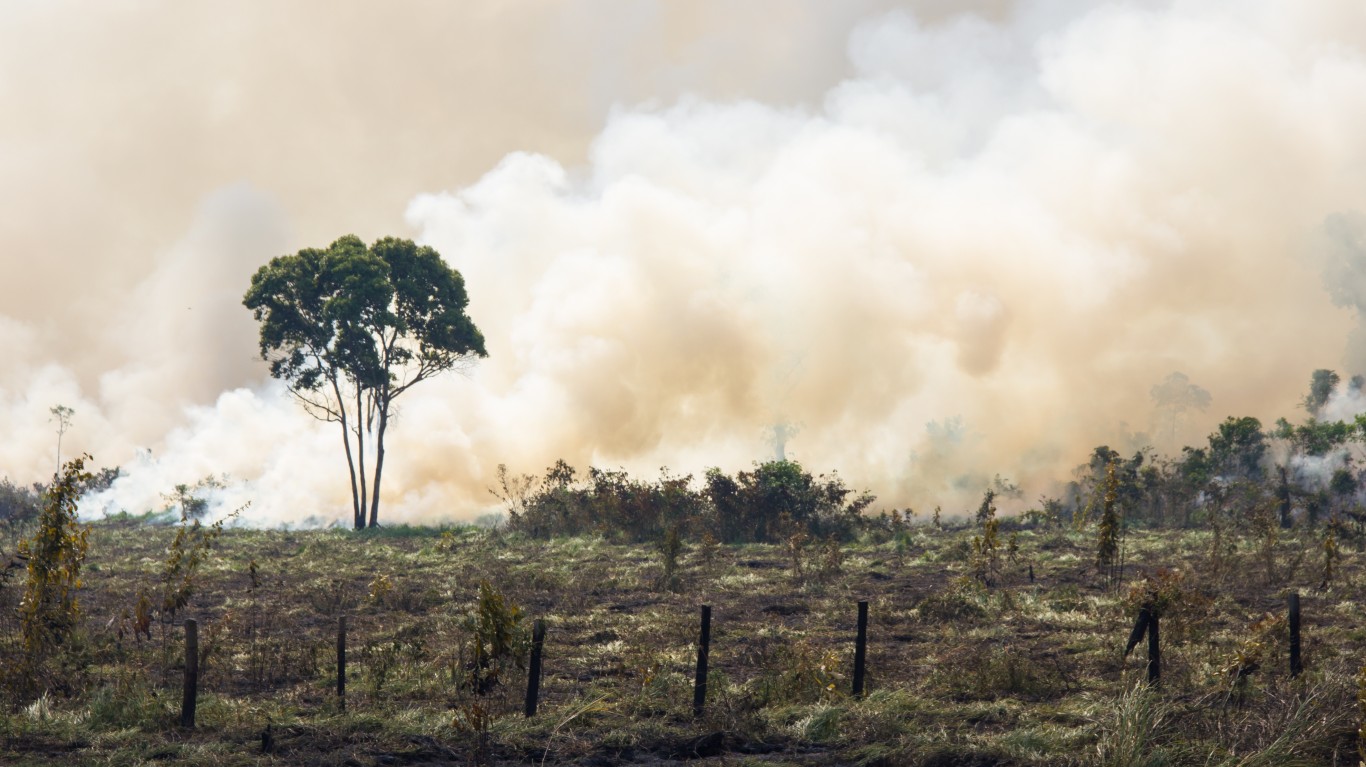
Nearly half of the almost 5 billion acres of the earth that has been degraded by overgrazing and deforestation could be reclaimed, according to the United Nations Convention to Combat Desertification. Those 2.22 billion acres are not desert ecosystems but are areas that were once productive and that have been “desertified” by human intervention. The land has been degraded so badly that it has little capacity to support life.
Planting new trees is only part of the solution. Eduardo Mansur, director of the land and water division at the UN Food and Agriculture Organization (FAO), told Bloomberg News that the key to rejuvenating the desertified land is proper fertilization: “Fertilizers are essential for increasing productivity. Good fertilizer in the right quantity is very good for the soil.”
Carbon emissions from agriculture are primarily caused by poor land management Mansur said, but there are well-known and understood ways to fix them: “Sustainable land management, sustainable water management, sustainable soil management.”
A report published in August by the UN International Panel on Climate Change (IPCC) noted that about a quarter of the earth’s ice-free land area (roughly 30 billion acres) is subject to human-caused degradation. Soil erosion from agricultural fields is from 10 to 100 times higher than the soil formation rate.
[nativounit]
While $300 billion is a fair amount of cash, the economic cost of letting global temperatures rise by 2°C rather than limiting the rise to 1.5°C by the end of the century will cost more than $20 trillion.
Returning degraded land to productive, sustainable use could buy up to 20 years of time to address the other impacts of rising global temperatures. As Rene Castro Salazar, an assistant director-general at the FAO told Bloomberg, “[We could be] using the least-cost options we have, while waiting for the technologies in energy and transportation to mature and be fully available in the market. It will stabilize the atmospheric changes, the fight against climate change, for 15-20 years. We very much need that.”
[recirclink id=587460]
[wallst_email_signup]






 Top Gaining Stocks
 Top Losing Stocks