



The new World Economic Outlook from the International Monetary Fund strikes a positive tone at first. It then piles on all the threats to the global economy, some of which could undermine the growth of global gross domestic product.
The authors of the report forecast that global GDP will grow from 2.9% last year to 3.3% this year and 3.4% in 2021. The economies in every major region will grow, with the sole exception of the United States. The irony of the prediction is that the United States has helped carry the world’s economy for the past two years.
The new U.S. agreement with China was front and center in the report:
There are preliminary signs that the decline in manufacturing and trade may be bottoming out. This is partly from an improvement in the auto sector as disruptions from new emission standards start to fade. A US-China Phase I deal, if durable, is expected to reduce the cumulative negative impact of trade tensions on global GDP by end 2020—from 0.8 percent to 0.5 percent.
The report’s major caveat is a regular part of these analyses. “The projected recovery for global growth remains uncertain.” It is stating the obvious. Yet, some of the reasons are new:
Importantly, even if downside risks appear to be somewhat less salient than in 2019, policy space to respond to them is also more limited. It is therefore essential that policymakers do no harm and further reduce policy uncertainty, both domestic and international. This will help to revive investment, which remains weak.
[nativounit]
It is primarily an admission that central banks have lost most of their power to protect countries from a recession because rates are already at historically low levels.
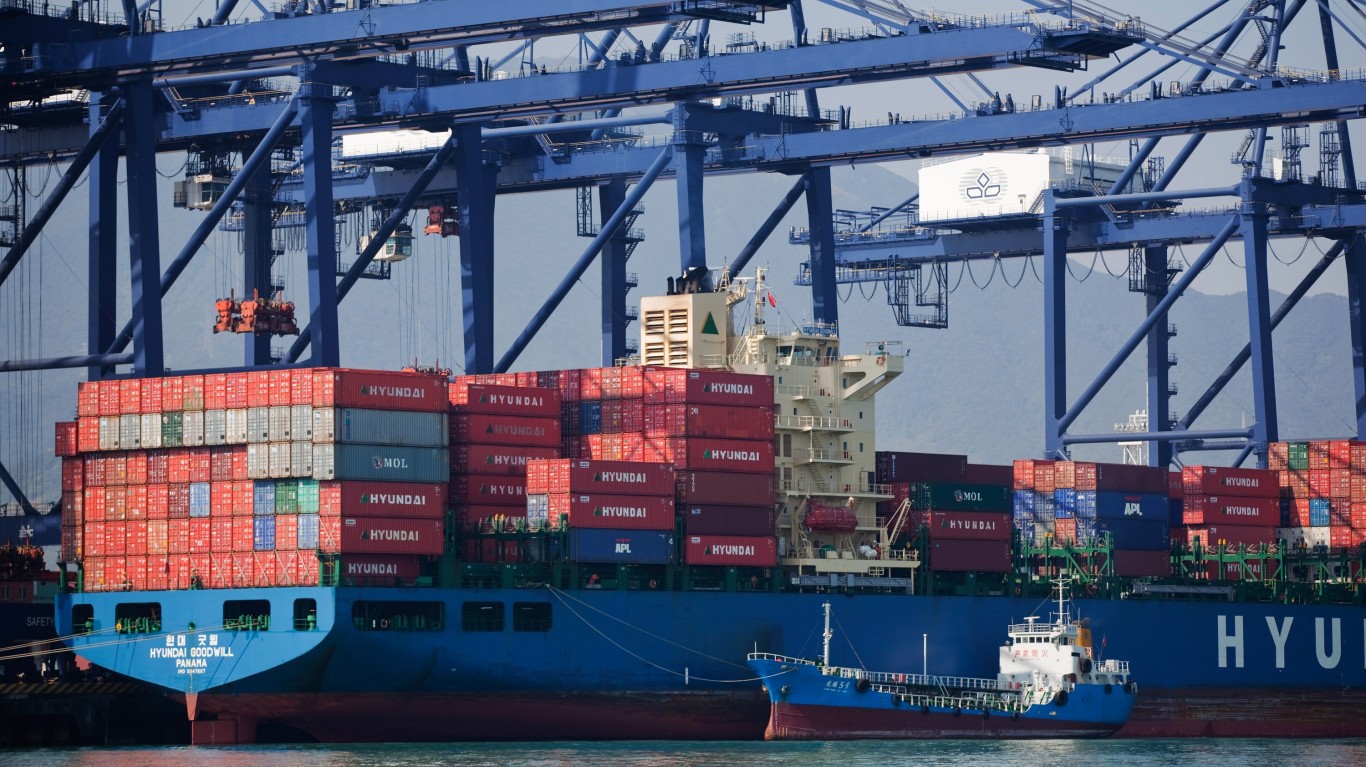
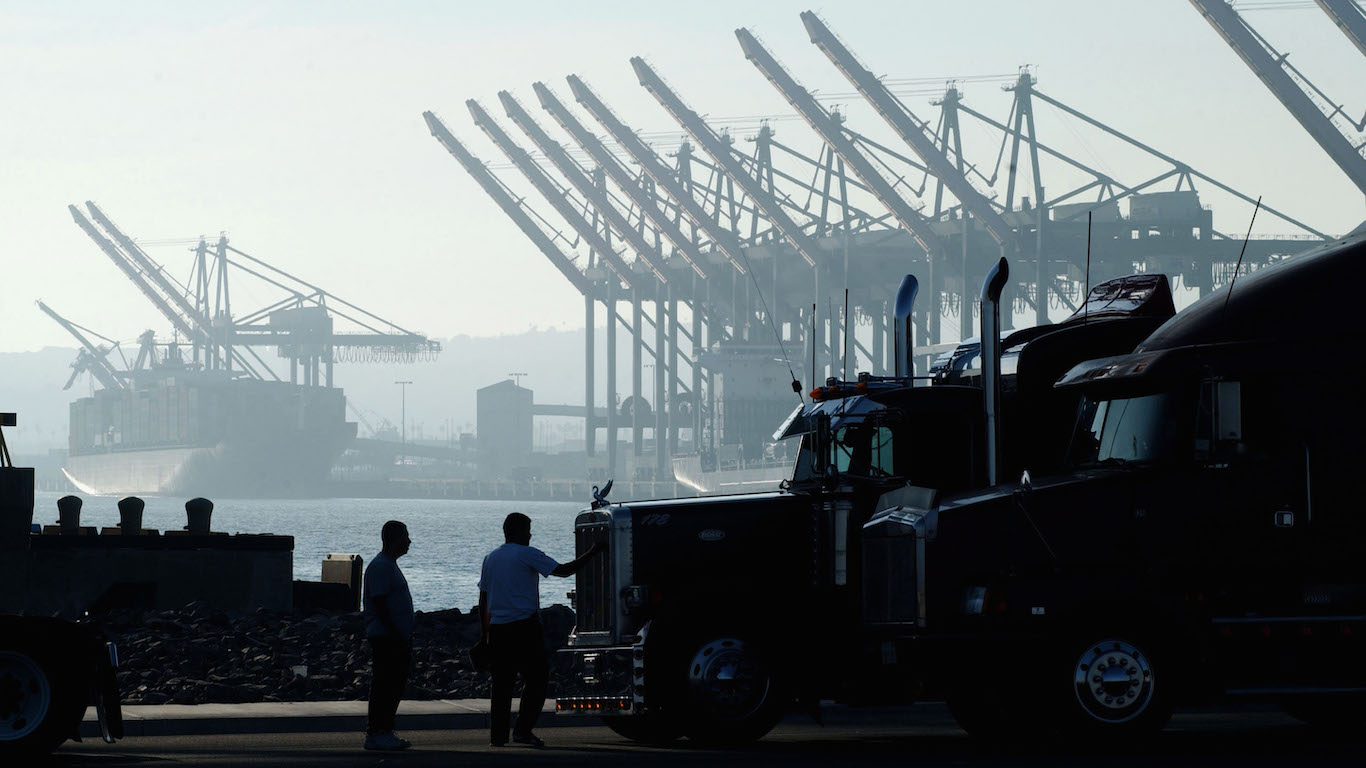
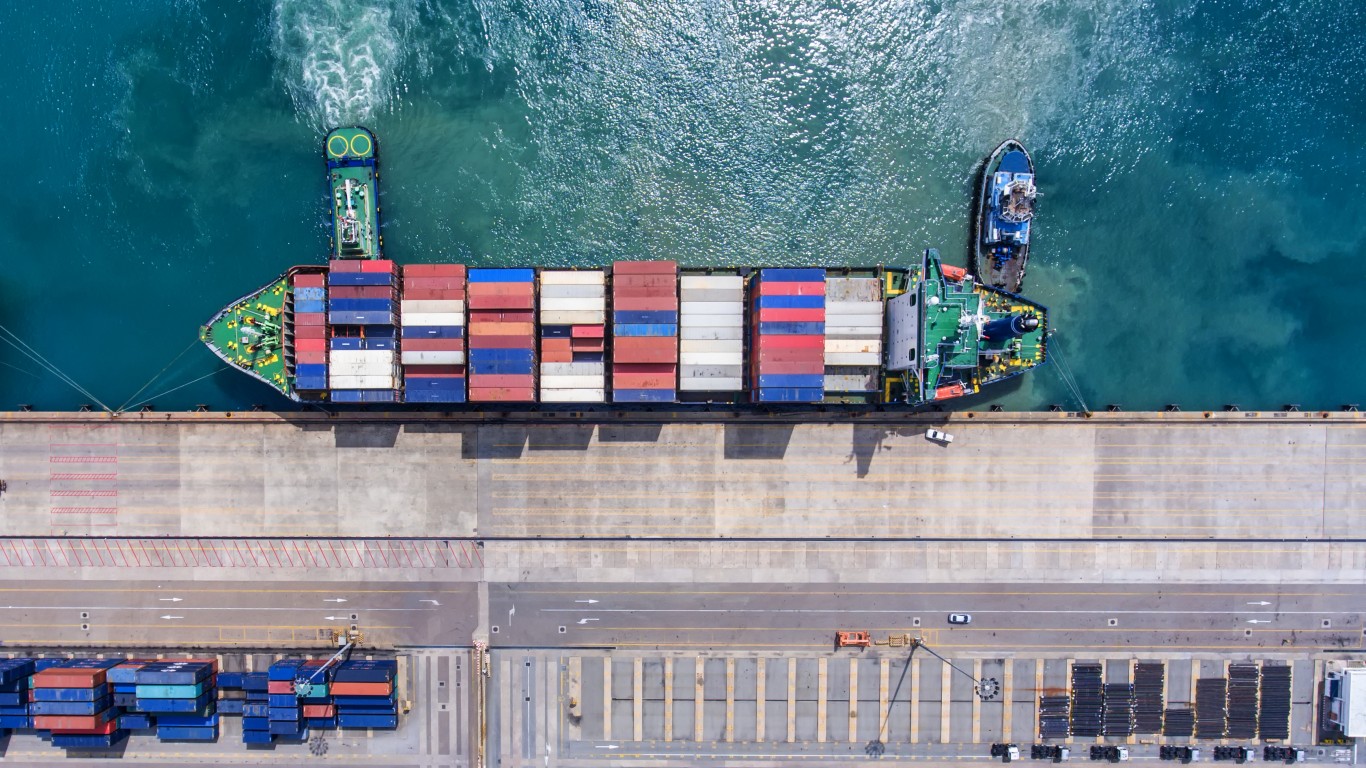
The other warnings are that global trade tensions continue at historically heightened levels and could flare again. The agreement between China and the United States could fall apart.
Finally, there is a warning on the environment. Ongoing, negative changes in global warming continue to affect several regions, and that will only get worse without radical government action.
The world economy is getting better — maybe.
[recirclink id=636927]
[wallst_email_signup]






 Top Gaining Stocks
 Top Losing Stocks