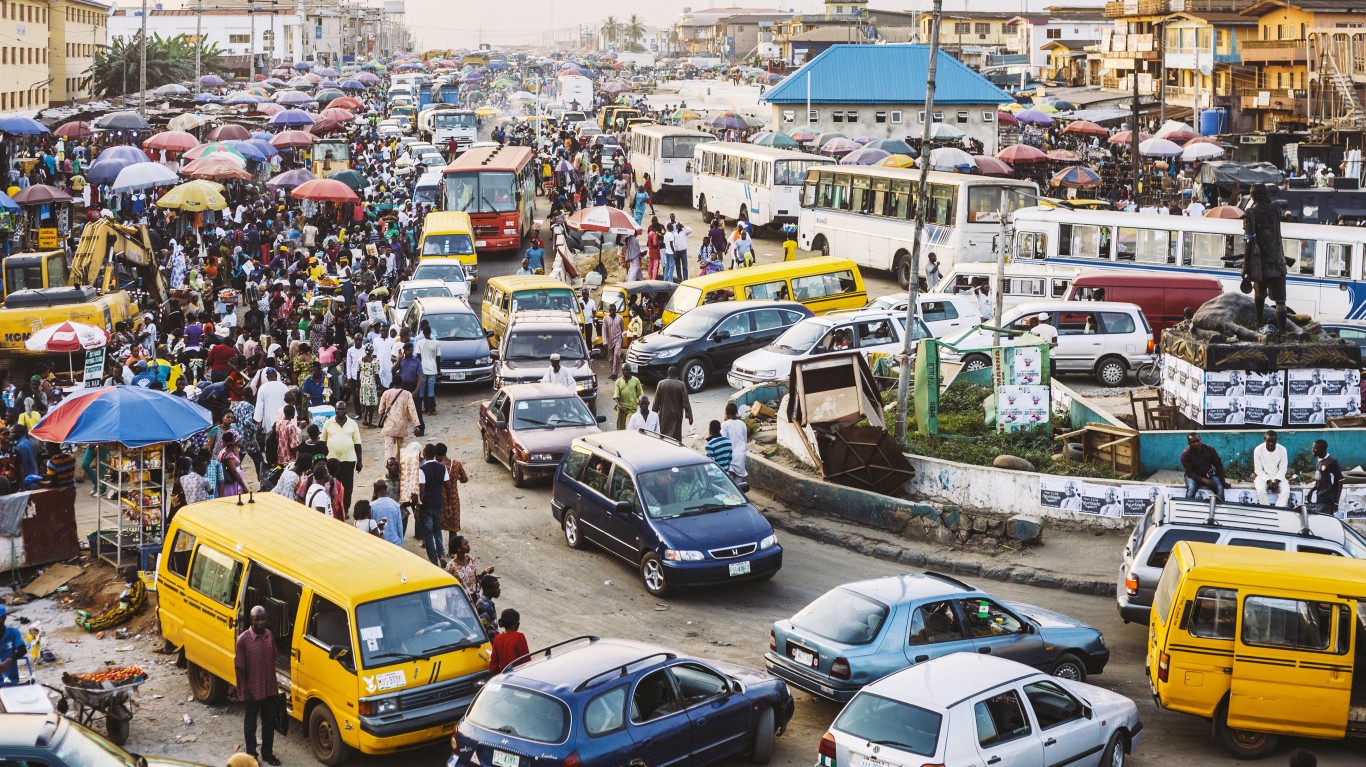
This Country Is Least Prepared for Climate Change

Photo of Douglas A. McIntyre
By Douglas A. McIntyre Published
This post may contain links from our sponsors and affiliates, and Flywheel Publishing may receive compensation for actions taken through them.
This Country Is Least Prepared for Climate Change

© peeterv / Getty Images

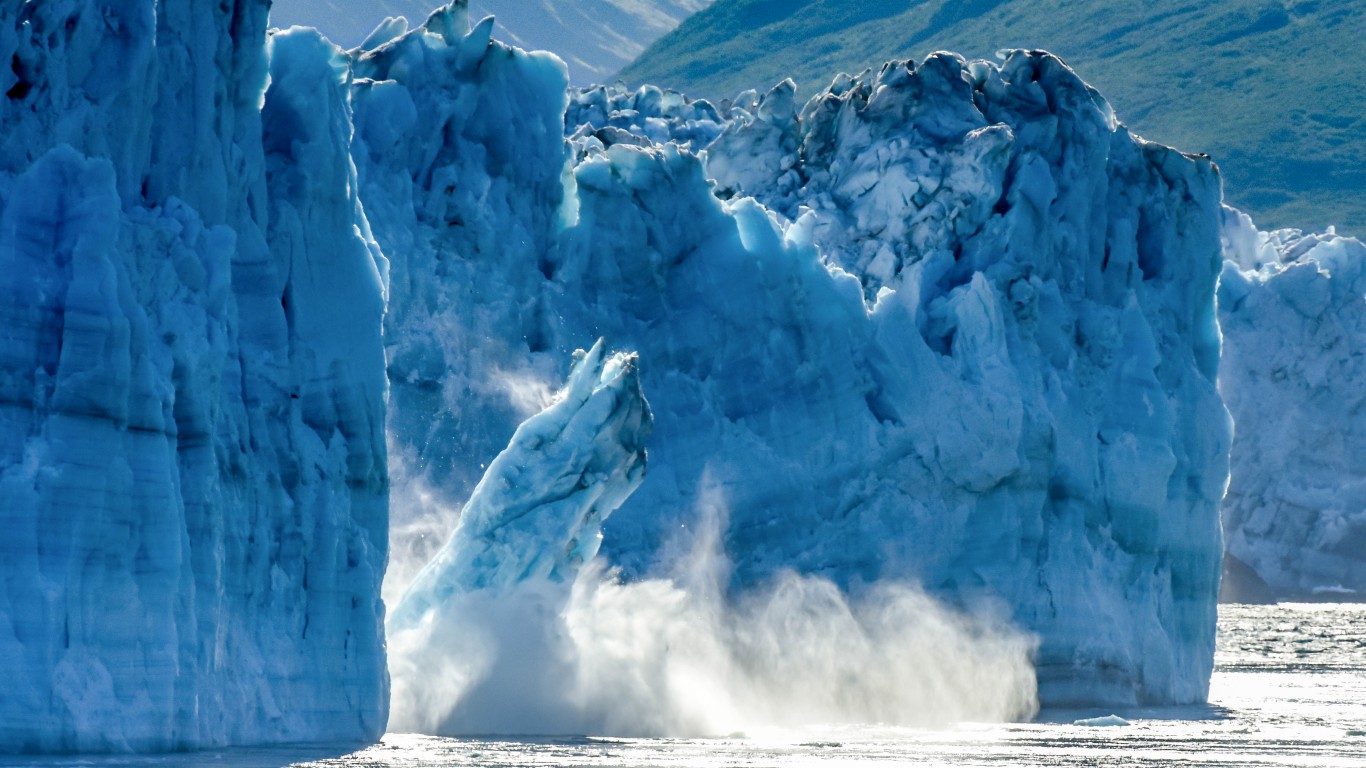
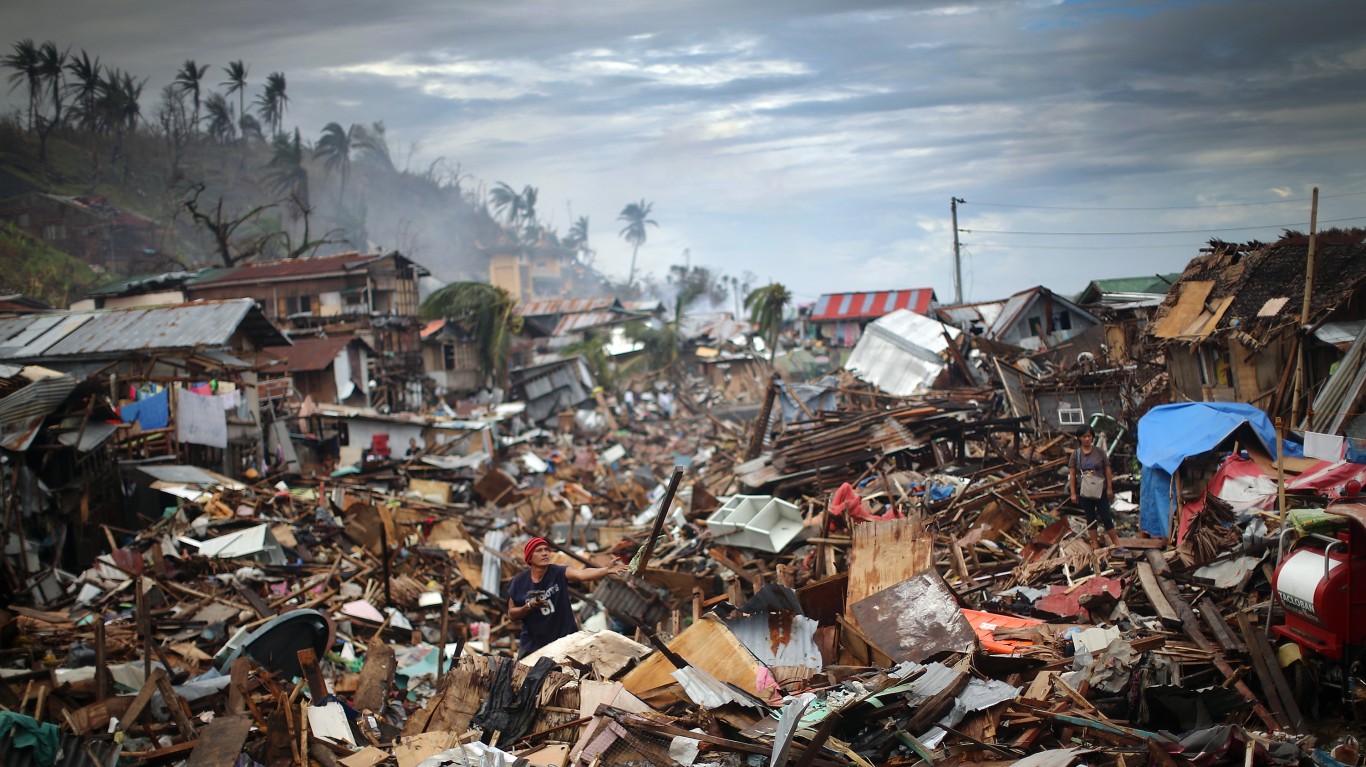
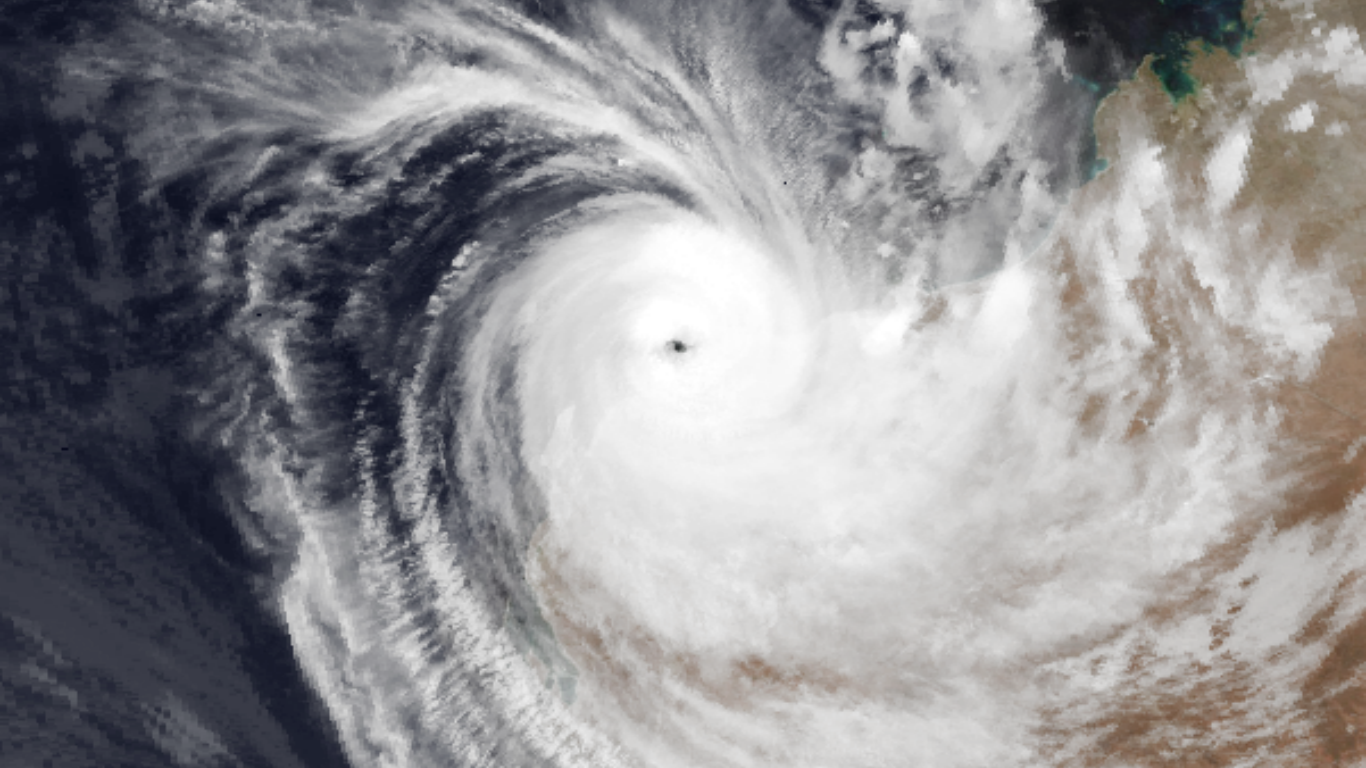
The United Nations Intergovernmental Panel on Climate Change runs 4,000 pages. Its most important conclusion is that human activity has set in place certain climate changes that cannot be reversed under any circumstances. These include changes in the weather, all of which are for the worst. Much of the melting of glaciers will happen no matter what humans due to decrease causes like greenhouse gases. If nothing is done to change human behavior, toward the middle of the century, these things will get even worse. Hundreds of millions of people could be significantly affected by nearly unsurvivable temperatures and rising oceans.
[in-text-ad]
One of America’s major universities, Notre Dame, has looked at what will happen, country by country, based on climate change and “preparedness.” The report says:

The ND-GAIN Country Index summarizes a country’s vulnerability to climate change and other global challenges in combination with its readiness to improve resilience. It aims to help governments, businesses and communities better prioritize investments for a more efficient response to the immediate global challenges ahead.

[nativounit]
In what the authors call their “vulnerability” index, mostly undeveloped nations are the worst off. Niger leads the list of 182 nations. Also known as the Republic of the Niger, it is landlocked and is the largest country in West Africa. It has a population of about 24 million people. The nation already suffers from usually hot weather.

The CIA Work Facebook describes Niger this way:

Niger is one of the poorest countries in the world with minimal government services and insufficient funds to develop its resource base. It is ranked last in the world on the UN Development Programme’s Human Development Index.

It certainly bodes poorly that the government is unlikely to influence climate change in the country. That means the nation is almost exclusively subject to outside factors.

Click here to see which state has been hit hardest by drought.
[wallst_email_signup]

Photo of Douglas A. McIntyre
About the Author Douglas A. McIntyre →

Douglas A. McIntyre is the co-founder, chief executive officer and editor in chief of 24/7 Wall St. and 24/7 Tempo. He has held these jobs since 2006.

McIntyre has written thousands of articles for 24/7 Wall St. He is an expert on corporate finance, the automotive industry, media companies and international finance. He has edited articles on national demographics, sports, personal income and travel.

His work has been quoted or mentioned in The New York Times, The Wall Street Journal, Los Angeles Times, The Washington Post, NBC News, Time, The New Yorker, HuffPost USA Today, Business Insider, Yahoo, AOL, MarketWatch, The Atlantic, Bloomberg, New York Post, Chicago Tribune, Forbes, The Guardian and many other major publications. McIntyre has been a guest on CNBC, the BBC and television and radio stations across the country.

A magna cum laude graduate of Harvard College, McIntyre also was president of The Harvard Advocate. Founded in 1866, the Advocate is the oldest college publication in the United States.

TheStreet.com, Comps.com and Edgar Online are some of the public companies for which McIntyre served on the board of directors. He was a Vicinity Corporation board member when the company was sold to Microsoft in 2002. He served on the audit committees of some of these companies.

McIntyre has been the CEO of FutureSource, a provider of trading terminals and news to commodities and futures traders. He was president of Switchboard, the online phone directory company. He served as chairman and CEO of On2 Technologies, the video compression company that provided video compression software for Adobe’s Flash. Google bought On2 in 2009.

Continue Reading

Top Gaining Stocks

CBOE Vol: 1,568,143
PSKY Vol: 12,285,993
STX Vol: 7,378,346
ORCL Vol: 26,317,675
DDOG Vol: 6,247,779

Top Losing Stocks

LKQ
LKQ Vol: 4,367,433
CLX Vol: 13,260,523
SYK Vol: 4,519,455
MHK Vol: 1,859,865
AMGN Vol: 3,818,618