


By David Callaway, Callaway Climate Insights
Two years after the Business Roundtable launched what some called a revolution in American business with its statement of corporate purpose, has anything really changed?
The high-profile business group said CEOs and boards of directors should consider employees, customers and communities in their business missions, as much as they do increasing shareholder profits. For climate change at least, by every measurement these companies have failed, according to Mark Hulbert, in a special column on the anniversary of the statement, below.
While corporate managers might have made little headway, big investors are pushing environmental, social, and governance themes to the limit. One of the leading lights of this movement is Anne Simpson of the $480 billion California Public Employees Retirement System (CalPERS).
In an exclusive interview with Callaway Climate Insights, Simpson tells Marsha Vande Berg what she’s looking for in the upcoming COP26 global climate summit in Scotland, and what that will mean for companies and investors alike. Plus, columnist Bob Powell chimes in with what it means for financial advisers.
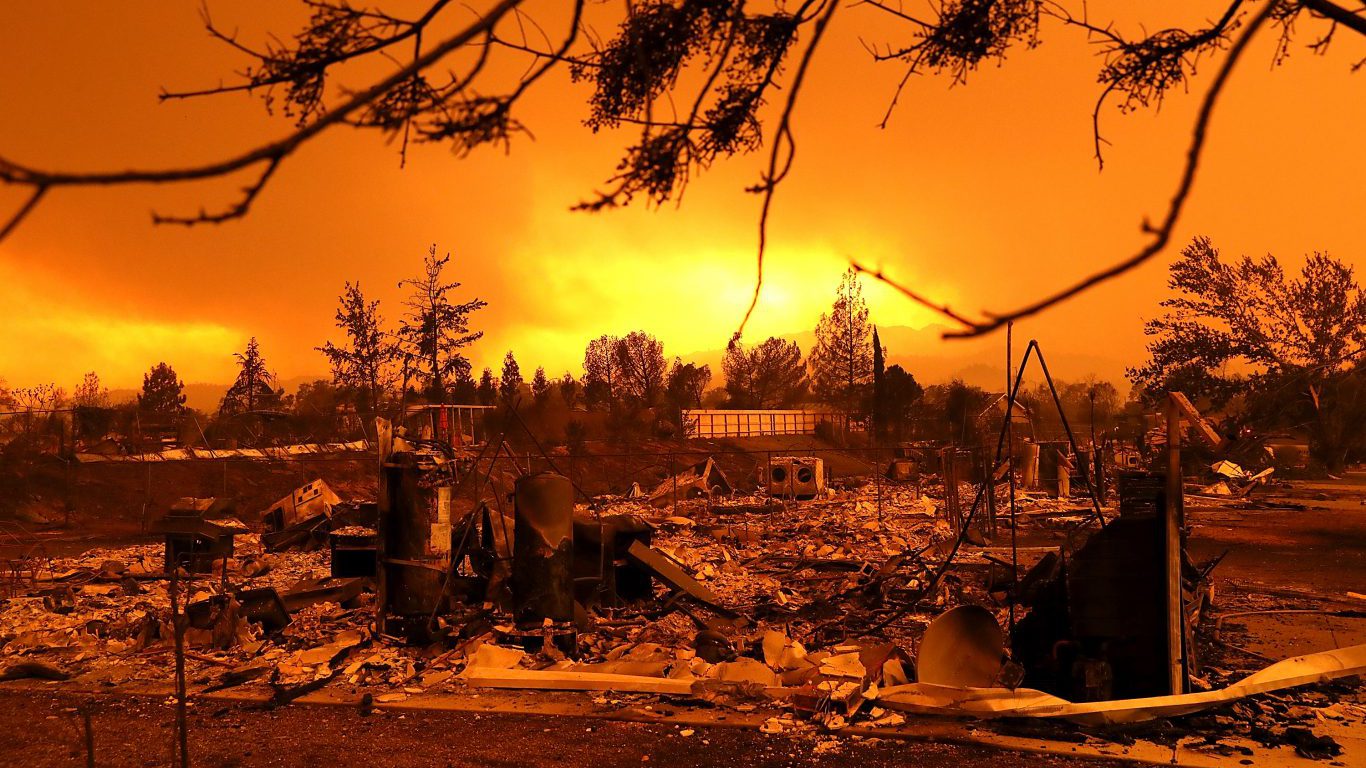
While success might be difficult to measure, especially in a week when hurricanes and floods cut a swathe of devastation from New Orleans to New York City while fires raced through California, there is more going on beneath the waves (so to speak) than it might appear. This report from Climate Tech VC, which breaks down where the record amount of venture capital funds are flowing into ESG solutions (hint: food and agriculture, and mobile lifestyle investments), is a good primer.
Climate investing is here to stay. And risk disclosures for corporations are coming, anniversaries or not.
More insights below. . . .
Sustainability Stars: Tracking ESG risk with CalPERS’ Anne Simpson
. . . . Anne Simpson was one of the “early responders” to the climate investing cause at the California Public Employees Retirement System (CalPERS), the largest U.S. pension fund, with $480 billion in assets. As Managing Investment Director of Board Governance and Sustainability, she sits on the all-important investment committee of the fund. In an interview with Marsha Vande Berg, Simpson tells why an international agreement on climate risk disclosures from companies is such an important goal of the COP26 global climate summit in November, and why marrying those disclosures with company financial statements is a Holy Grail for climate investors. . . .
Read the full Simpson interview
Hulbert: Happy two-year anniversary to the corporate purpose pledge. Has anything changed?
. . . . When the Business Roundtable issued its statement on corporate purpose two years ago, it sent shock waves through corporate America and the financial media. After decades of putting shareholders first, the nation’s premier business lobbying group was saying CEOs should now value employees, customers and communities with equal attention; that the reason for a corporation had to go beyond making money. As Mark Hulbert describes in a special anniversary column, while the debate over corporate purpose has taken up thousands of hours of business talk shows and tens of thousands of column inches, at the board level, by every measurement almost nothing has been done. So much for social impact. . . .
Thursday’s subscriber insights: Are microgrids really the answer to metro power failures?
. . . . The collapse of more than 2,000 miles of Entergy (ETR) power lines in and around New Orleans during Hurricane Ida this week revived the debate — again — of whether microgrids and underground power lines are worth the investment. While in hindsight it certainly looks that way, innovation in creating “grids of grids” is painfully slow, made worse by energy companies and politicians who are reluctant to move until a disaster has occurred. But some early examples are showing real savings and staving off the worst of climate change. Read more here. . . .
. . . . Jeff Bezos is putting some money in the real Amazon — the northern rainforests of Brazil. The company Amazon (AMZN) said Thursday it will invest along with The Nature Conservancy in a program to support up to 3,000 farmers in the region and to remove 10 million metric tons of carbon dioxide by 2050. Earlier this year, scientists said the Amazon basin, long known as a carbon sink whose vast jungles sucked carbon from the atmosphere, had become a net emitter of carbon because of wildfires and deforestation by farmers and food companies. Read more here. . . .
. . . . Despite a surge in environmental, social and governance investing in recent years to more than $35 trillion worldwide, only about a third of Americans have heard of ESG investing, according to a new study. Millennials seem the most tuned in, and are directing their investments accordingly. But the lack of knowledge, even among investors themselves, could be an opportunity. Read more here. . . .
Editor’s picks: Silica sands for renewable power storage; Ida’s devastation
Silica sands eyed for renewable power storage
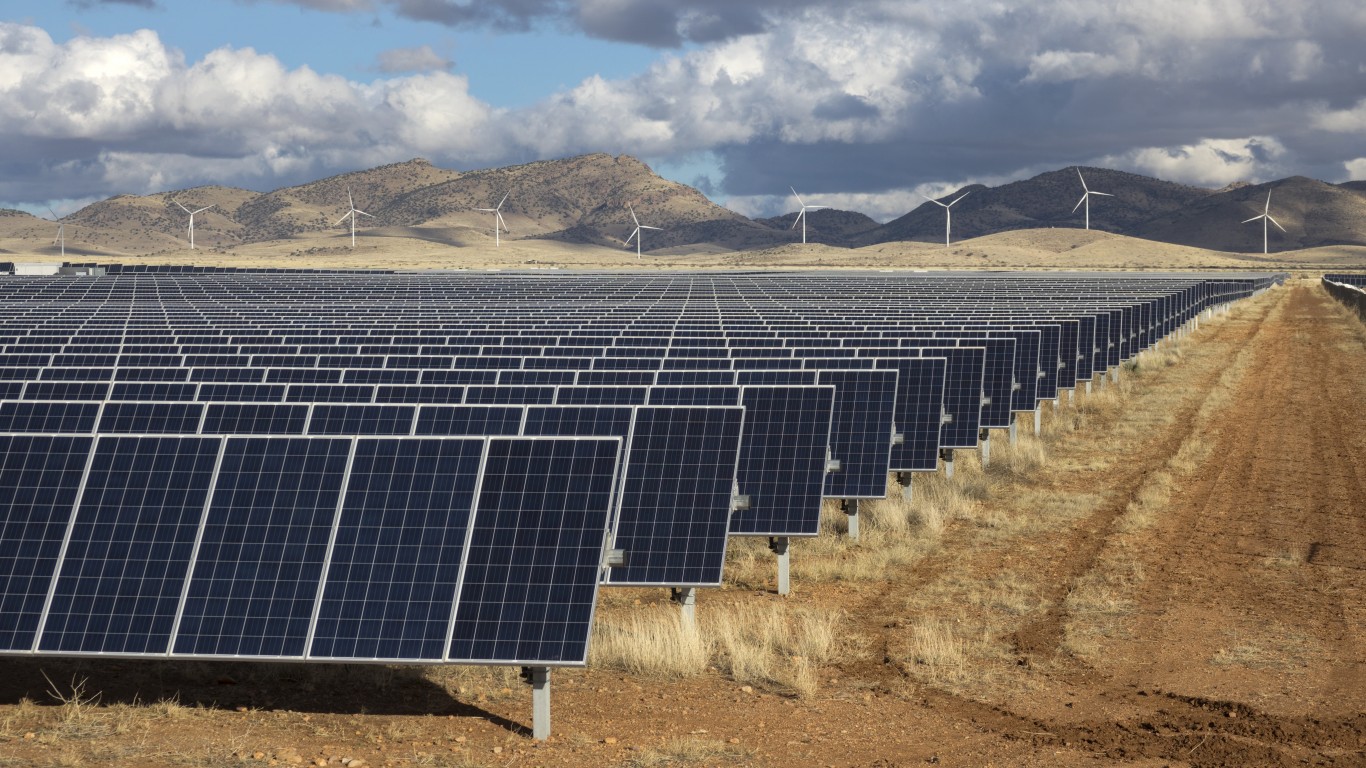
Scientists from the U.S. Dept. of Energy’s National Renewable Energy Laboratory have proposed the use of silica sands, considered to be a stable and inexpensive material with prices ranging from $30 to $50/ton, as a medium to store excess wind and solar power. According to a report from PV Magazine, the research team developed a thermal energy storage technology called Economic Long-Duration Electricity Storage by Using Low-Cost Thermal Energy Storage and High-Efficiency Power Cycle (ENDURING), which it defines as a scalable solution that can be deployed almost anywhere. The proposed storage technology could be deployed at a cost of between $2 and $4 per kWh and it could also be hosted by existing infrastructure from retired coal and gas-fired power plants. The report also notes it may provide a continuous source of heat for industrial and chemical processes.
Ida unleashes floods and tornadoes in northeast
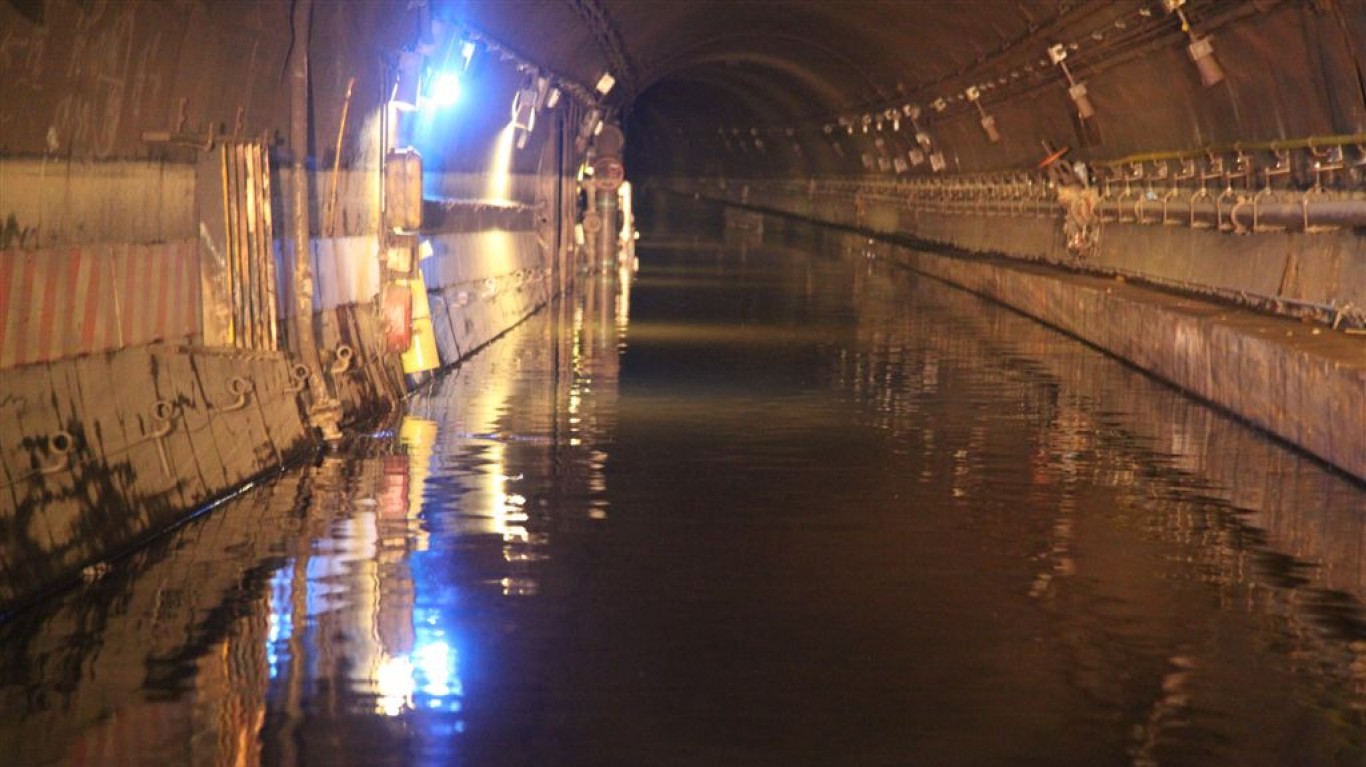
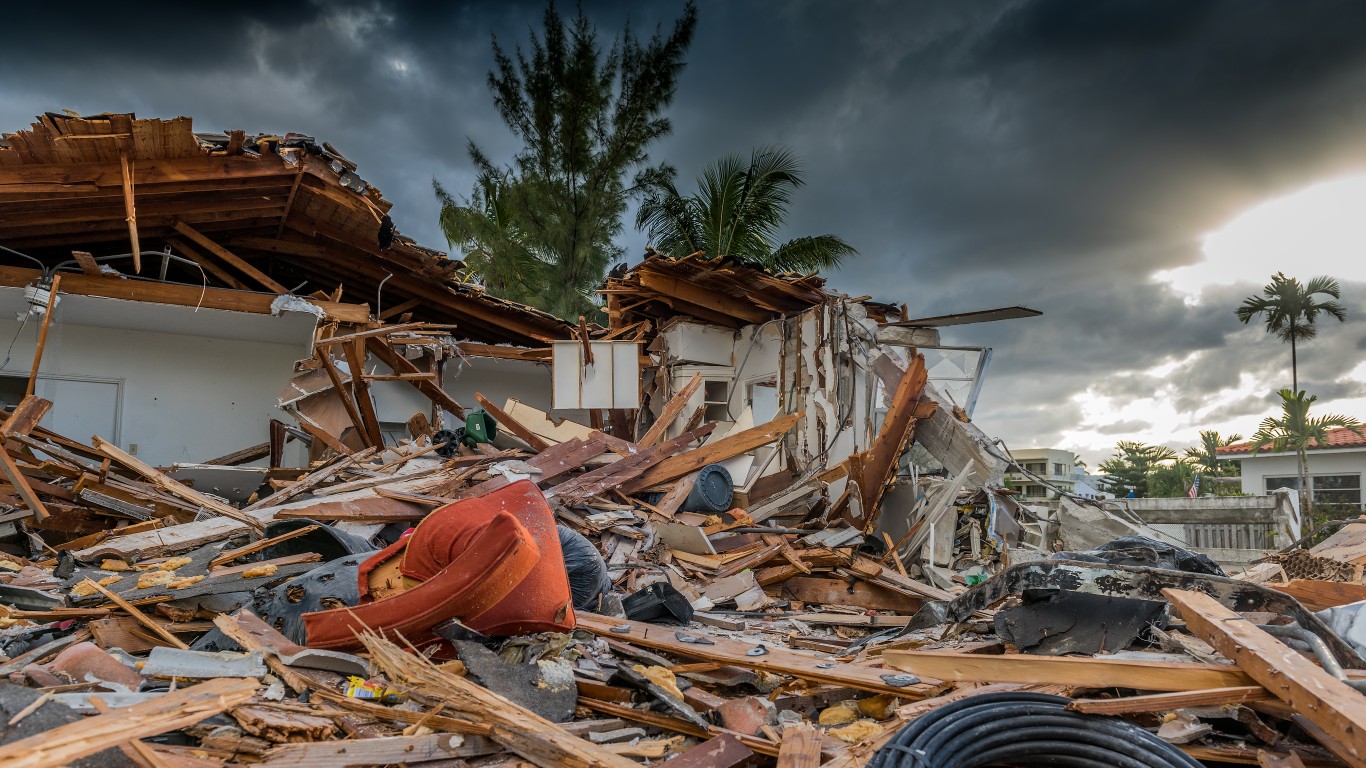
Remnants of Hurricane Ida unleashed dangerous flash floods and tornadoes Wednesday and overnight across the Northeast, including New York, New Jersey and Connecticut. CNN reports at least 15 people have died in New York City, New Jersey and Maryland, including a 2-year-old. CNN reported Wednesday night that one person was killed in Passaic, N.J. and in other parts of the East Coast, New York City officials confirmed 9 deaths. In Louisiana, residents are still struggling with flooding and widespread power outages after the storm made landfall on Sunday. Power outages in some Louisiana parishes could last at least a month, and residents now face gas shortages and dwindling supplies.









 Top Gaining Stocks
 Top Losing Stocks