


By David Callaway, Callaway Climate Insights
It was the spring of 2001, only a few months before 9/11, and unprecedented rolling blackouts were hitting California — a combination of disastrous grid management and market manipulation in the bad old days of Enron Corp. Millions of us were in the dark with no good explanation from authorities.
Nineteen years later, Enron is gone but the mismanagement remains, and this time some are blaming the state’s efforts to fight climate change for the series of rolling blackouts over the past several days. California energy agencies rejected claims that their reliance on solar power for three-quarters of the state’s daytime energy was to blame. They said instead that when the sun went down and the California Independent System Operator (ISO) was left with a shortage of energy as temperatures surged above 100°F., it was unable to source energy from neighboring states because they too needed it for their heatwaves. Poor planning.
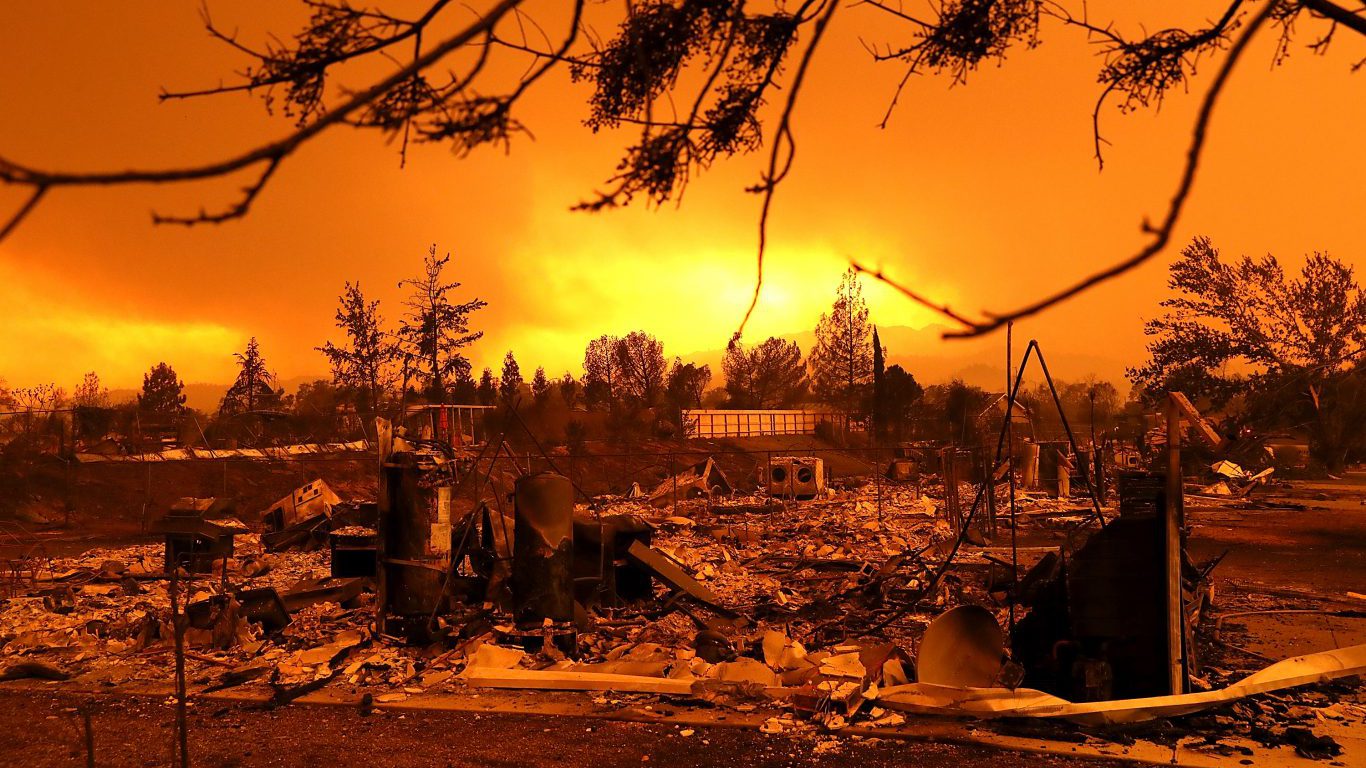
With 11,000 lightning strikes igniting 375 wildfires over a 72-hour period, and mandatory evacuations of thousands underway in hot spots across Northern California, finger-pointing among energy officials is the last thing we need. The last time this happened, a governor lost his job.
The state should be commended for using renewables for the majority of its energy, but managing the transition from fossil fuels is just as important. Indeed, the entire point of the climate emergency movement is to help us prepare — and invest — for what is coming.
More insights below.
ZEUS: Breaking down ESG silos with Citi Sustainability Chief Val Smith
. . . . The role of sustainability executive has changed in the 16 years since Valerie Smith joined Citigroup, but as she celebrates her year anniversary as global head of sustainability there are no shortage of surprises. Starting with Covid-19, which everyone expected would derail climate action for at least a year. Instead, the opposite happened, and Citi is pushing to stake out a leadership position as clients, investors and shareholders react. From her shelter-in-place apartment in Brooklyn, Smith presides over a new $250 billion financing and investment commitment by Citi to fund new businesses, transition plays, and go 100% renewable itself by the end of this year. Here she tells David Callaway about Citi’s next steps. . . .
The greenwashing of stakeholder capitalism
. . . . It was a year ago this month that the Business Roundtable put a stake in the ground with its statement of corporate purpose, a document signed by 200 influential CEOs, which became a major event in the world of corporate governance. But now two Harvard Law School professors, Lucian Bebchuk and Roberto Tallarita, tell Mark Hulbert that a study they did not only casts doubt on the idea of stakeholder capitalism but indicates it could do more harm than good, particularly with regard to climate change.
Hulbert writes how the study included a survey that indicates most of the CEOs didn’t consult their boards before signing the documents, and that rather than raise stakeholders like employees and customers to the level of shareholders, the idea simply gives executives more freedom to do as they please. That underscores the instinctive mistrust environmentalists have for corporate America, and why policy and regulation might be a better way to effect change, the professors argue.
It would be bad enough if statements of new corporate purpose were simply PR stunts that lulled the gullible among us into a false complacency. In fact, the professors show, the proposed changes to corporate purpose — which they classify as “stakeholderism” — very likely will make things worse by reducing corporate leaders’ accountability and increasing their managerial discretion. Do you really trust that those leaders will use their reduced accountability and greater discretion to make climate-friendly changes to their corporations’ practices? . . .
News briefs: Climate change will alter the taste of your beer
Watch this: The next Dust Bowl? In the middle of a major heat wave, experts fear climate change could bring about more extreme weather. Desert-like conditions are much more likely on a compromised planet, CBS News reports.
Editor’s picks:
- Beer will taste different due to climate change
- Multilateral development banks’ climate finance tops $61 billion
- Commentary: HK banks must do more than just avoid climate risk








 Top Gaining Stocks
 Top Losing Stocks