



By David Callaway, Callaway Climate Insights
When former President Barack Obama spoke to the United Nations’ COP26 climate summit in Glasgow this week, he was greeted by delegates as a superstar, despite the fact that his own climate and energy legislation failed in Congress a decade ago. President Joe Biden’s reception was decidedly more muted last week, as his climate/infrastructure bill still hung in the balance.
But now it has passed and Biden will sign it in coming days, releasing some $80 billion in spending into climate programs such as energy efficiency, clean hydrogen, carbon storage, and electric vehicle charging stations. To get an idea what this might mean for America’s clean energy transition in coming years, let’s look back on what happened in the 10 years after Obama’s legislation failed.
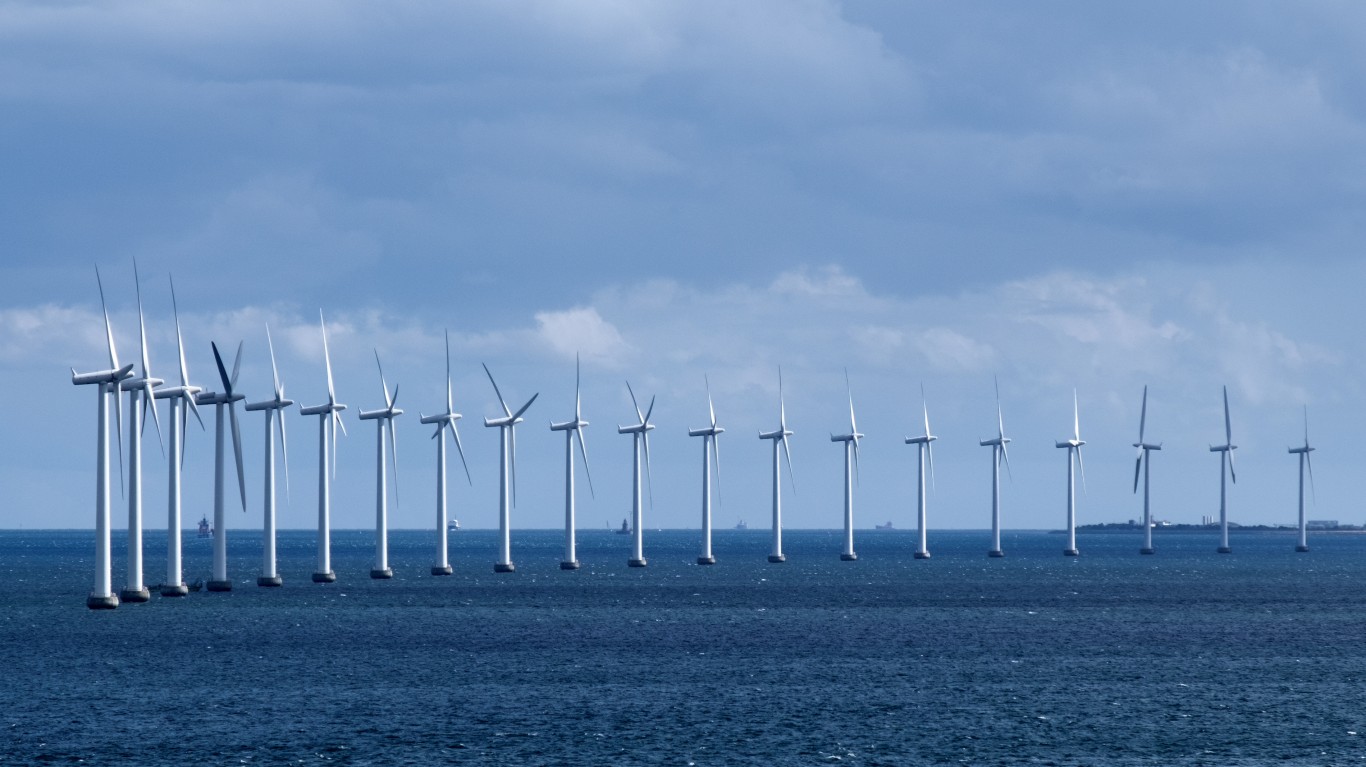
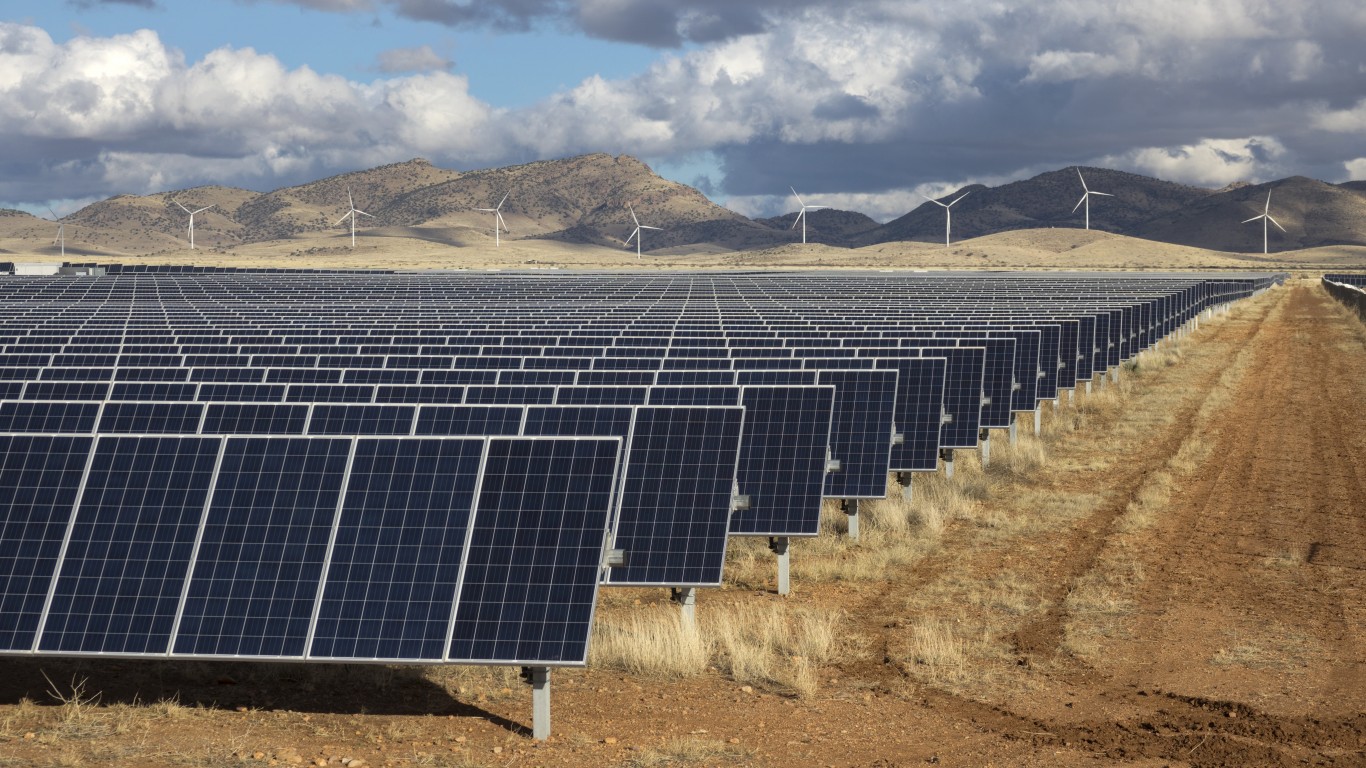
Led by private investment along with state government efforts in places such as Texas, California, Iowa, Massachusetts, and North Carolina, wind and solar power have quadrupled in the past decade, according to a new report by the Environment America Research & Policy Center and Frontier Group. (Read the report here and find out how your state did.)
More than 23 times more solar power, triple the wind power, 18 times more battery power (up 67% in 2020 alone) and a 100-fold increase in plug-in hybrid EVs, were some of the highlights of the report. Enough to power more than 45 million homes, which while still not anywhere near enough, is pretty solid for a decade that included the Trump, anti-climate change years.
Data headlines aside, what’s important here is that short of federal legislation, many states — including Texas — took matters into their own hands. A similar phenomenon is taking place in countries such as Australia, where the federal governments are at odds with what is happening in the states, provinces and local regions.
Despite controversial headlines and challenges out of Glasgow, the transition is rapidly moving forward, and in the U.S. at least, the new infrastructure bill will give it a pronounced boost in the next few years. No wonder investors are pumping up clean energy stocks this week.
More insights below. . . .
Tuesday’s subscriber insights: Big Oil parties in Glasgow
. . . . Embarrassing headlines for COP26 organizers and Big Oil as it’s revealed they have the largest number of delegates at the conference (500), bigger than any single country. Meanwhile, hundreds of environmental, academic, climate justice, indigenous and women’s rights organizations have been excluded. Granted, the fossil fuel transition can’t happen without oil and gas companies, but it still seems like the old boys’ club continues apace, especially as oil prices reached seven-year highs last week. Read more here. . . .
. . . . Lost in the headlines on Biden’s infrastructure bill about cost and sexy EV charging stations was a very important new rule that expands the federal government’s authority to enhance the nation’s power grid over objections from local areas about moving transmission lines. As most home solar users know, having all this new power is no good without the ability to connect it to the grid. In utility and environmental legal circles, this is a big win. . . .
. . . . As we’ve mentioned several times before — and newcomer Rivian (RIVN) is addressing — fear of running out of juice is holding many from buying electric vehicles. Now General Motors (GM) is taking the bull by the horns and using its massive dealership network to get charging stations installed in rural areas. Good move, and it has sent supplier EVgo’s shares soaring — and could have GM in the position of selling fuel as well as cars. Read more here. . . .
. . . . The Rivian initial public offering is expected to price later Tuesday, which means it will start trading on Wednesday. Its new price range of $72 to $74 a share values the electric truck maker, which only just introduced its first product and has no revenue, at more than $65 million. That’s not far off the $80 million market cap of 118-year old Ford Motor Co. (F). EV hype, anyone? . . .
Editor’s picks: Carbon markets and tribal lands; former U.S. energy chief Moniz outlines climate investment priorities
Are carbon markets the new gaming for tribes?
Are carbon markets the new gaming for tribes?, Mary Annette Pember asks in a report for Indian Country Today. In the area of emerging carbon markets “tribal lands hold great interest for investors,” Pember writes. “Not only do tribes own large swaths of lands capable of sequestering tons of CO₂, companies that partner with them accrue added social corporate responsibility benefits to bolster a climate-friendly image.” Referencing discussions being held at COP26, the report notes that the carbon markets could mean millions of dollars for tribal communities “that are willing to sell carbon dioxide credits for their untapped lands and pristine forests,” and notes that CO₂ could replace gaming as a key economic force. Yet others fear tribes are being manipulated to allow continuing destruction of the world’s climate.
Former U.S. energy chief Moniz outlines climate investment priorities
Former U.S. Department of Energy Secretary Ernest Moniz lays out his top three clean energy investment priorities during an episode of Market Intelligence Live from S&P Global Market Intelligence. See the full video. S&P reports Moniz noted climate commitments announced at the crucial United Nations-hosted climate conference, COP26, will materially lower the kind of post-industrial temperature rise scientists have long warned about. “The professor, who has a deep background in energy technology and is professor emeritus at the Massachusetts Institute of Technology, also singled out several areas where climate-minded investors could look to allocate capital as the energy transition continues to play out,” S&P says.










 Top Gaining Stocks
 Top Losing Stocks