


By David Callaway, Callaway Climate Insights
A few weeks back, we forecast that 2022 would be the year when corporate climate pledges faced measurable results, both by institutional lenders and by organizations dedicated to holding greenwasher’s feet to the fire, so to speak.
This week’s report by the NewClimate Institute and Carbon Market Watch was a perfect example. It examined the “integrity” of net zero pledges of 25 top companies and found more than 20 simply weren’t going to get anywhere near what they had promised. They either relied too much on dubious carbon offsets or simply neglected to include parts of their businesses that polluted from their efforts, such as the Scope 3 emissions of their vendors and suppliers. You can read who they are here, and in our insights section below.
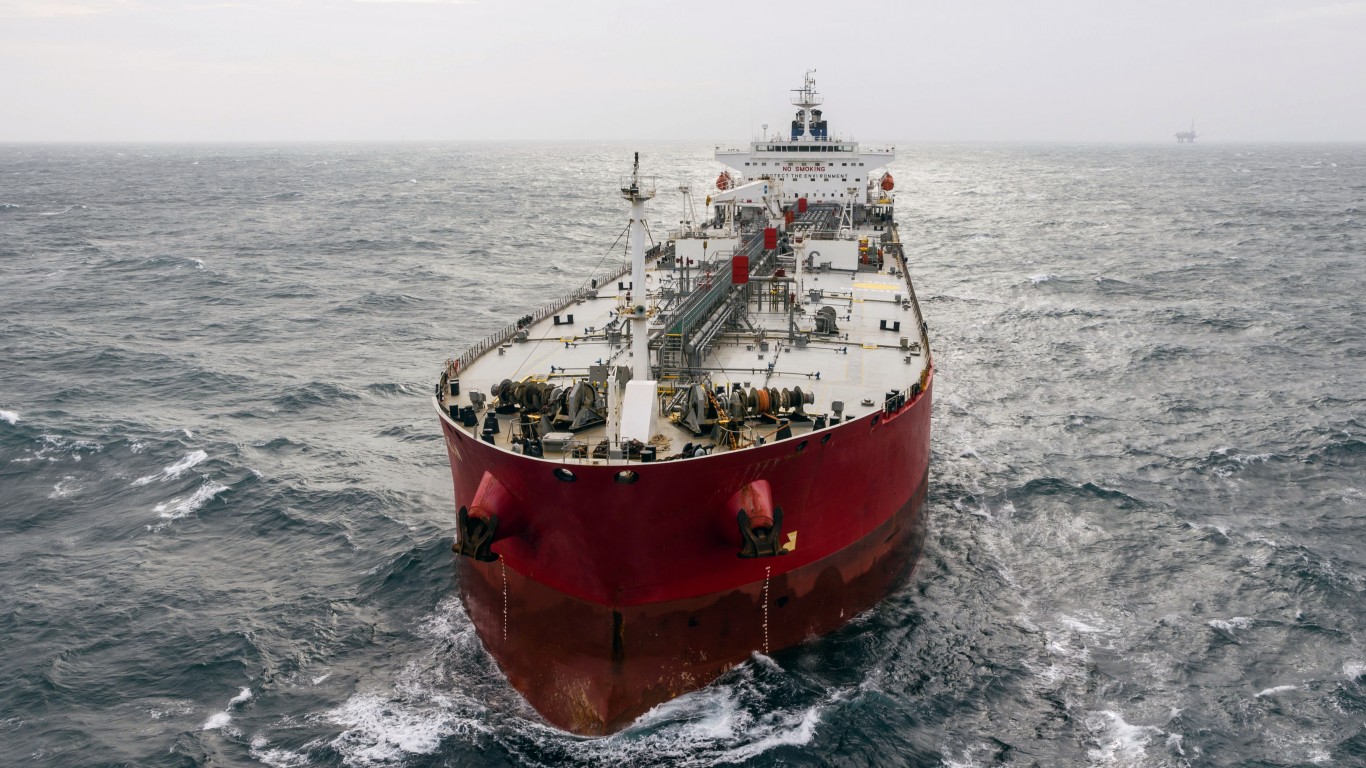
But amid the doom and gloom, a couple of companies came through with efforts worth spotlighting. Maersk (DK:Maersk.b), the Danish shipping giant which has pledged to move to sustainable fuel, was cited as the top performer of the 25. Apple (AAPL), Vodafone (VOD), Sony (SONY), and Deutsche Telekom (DTEGY) received honorable mention for their efforts. Of these, only shares of Vodafone and Deutsche Telekom are higher early this year, though Apple is flat.
Decarbonization is a long-term play, but it’s important that as more companies pledge to cut emissions, investors look to separate the serious ones from the rest of the pack, as they will be first to realize the benefits.
Something to think about while reading BP’s quarterly earnings today. They were the highest in eight years on soaring oil prices, but the company also said it would ramp up research spending on “transition” businesses such as renewable energy and set a new Scope 3 goal for 2030. More smoke and mirrors, or will an oil company, like a shipping company from Denmark, actually lead the way?
More insights below. . . .
Putin’s climate calculations weigh heavy on Ukraine invasion plans
. . . . Russia’s Vladimir Putin, who with an economy based on oil and gas is no friend of efforts to transition to renewable energy, is faced with a number of climate change challenges as he decides whether to invade Ukraine, writes David Callaway. Chief among them is that his leverage as the provider of up to 40% of Europe’s energy lessens by the week as spring approaches. And the same weather that has led to record heat and wildfires in Siberia this winter is also mucking up any ground invasion plans by turning what should be frozen land to mud. On the other hand, from an economic standpoint, Putin already has everything he needs, as surging oil prices create a windfall for oil and gas exports, as long as he keeps them running. . . .
Tuesday’s subscriber insights: Where the streets are paved with EV charging systems
. . . . The race to develop fast and easy charging stations to service the electric vehicle boom has now spread to the streets, the actual streets that is. Several companies are building technology to place chargers under roads so that you can charge your car either while driving or at least in parking lots afterward. The technology would take away another hesitation of drivers from going EV, if successful. Read more here. . . .
. . . . A new report that questions the integrity of the climate pledges of 25 top global companies is creating a buzz this week for drawing out how companies can manipulate their promises to achieve net-zero emissions status. Expect more of these as data improves and big investors set more measurable targets. Read more here . . . .
. . . . Remember those battery-powered toy locomotives you had as a kid? Well, now real trains in the U.S. are going to battery power. Unlike in Europe, where most lines are electrified, American trains tend to run on diesel, at least for long journeys. Batteries provide a pollution solution, and it’s already happening. Read more here. . . .
. . . . Did you know McDonald’s produces more emissions than Norway? In large part that because of the methane gas produced by its vast cattle herds. Now a group of entrepreneurs is targeting seaweed-based feed to help cattle digest better without impacting their weight or milk. Read more here. . . .
Editor’s picks: Using renewables in high-temp manufacturing; USDA funds climate-friendly ag projects
Renewables eyed for high-temp manufacturing
Rondo Energy, a California-based cleantech energy company, says it is developing a “thermal battery” — a heat system that could deliver the high temperatures needed to produce manufactured products including glass and cement. E&E News quotes John O’Donnell, Rondo’s chief executive, as saying, “This is the missing link for a very fast and profitable elimination of scope 1 emissions from industry.” According to the company, the heat system would turn wind and solar power into a source of intense heat, side-stepping the fossil-fuel systems currently used. Rondo said it has raised $22 million from Bill Gates’ Breakthrough Energy Ventures; and Energy Impact Partners.
USDA funds ag projects to cut emissions
Agriculture Secretary Tom Vilsack announced Monday a new $1 billion initiative to support efforts to cut in half by 2030 greenhouse gas emissions from the U.S. farm sector. The funds, from the USDA’s Commodity Credit Corporation, will pay for projects that reduce or capture methane emissions on dairy farms, and programs that use carbon-capture farming practices. Vilsack made the announcement at Lincoln University in Jefferson City, Mo. He toured the university’s research and lab facilities to discuss the institution’s work on how climate change influences water resources, ranching and forestry practices.









 Top Gaining Stocks
 Top Losing Stocks