US Faces a Recession That Cannot Be Imagined

Photo of Douglas A. McIntyre
By Douglas A. McIntyre Published
This post may contain links from our sponsors and affiliates, and Flywheel Publishing may receive compensation for actions taken through them.
US Faces a Recession That Cannot Be Imagined

© Cineberg / iStock via Getty Images

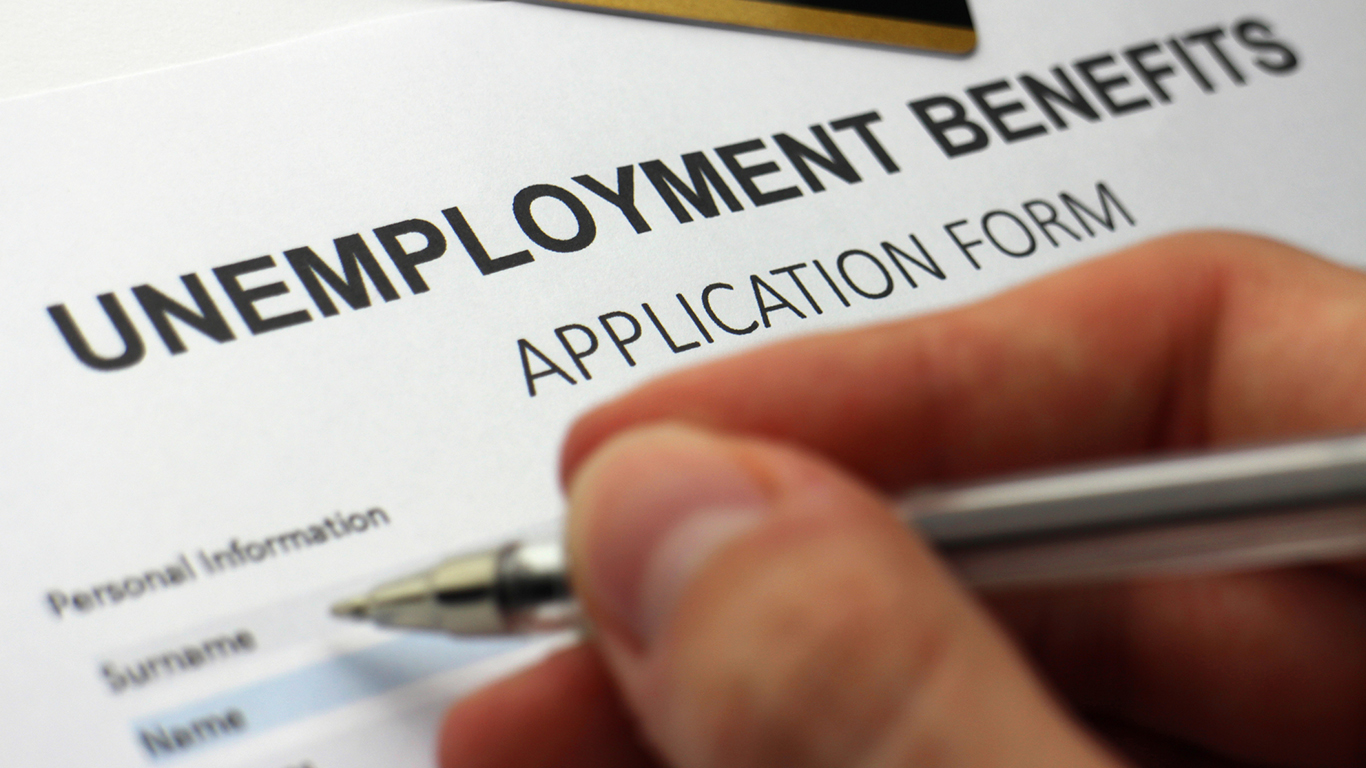
Unemployment has moved below 4% for several of the most recently reported months. That runs close to the multidecade lows set just before the COVID-19 pandemic. Perhaps recessions have developed under such circumstances. However, finding them is difficult. A recession brought on by inflation can surely be stopped by full employment.

More and more economists have raised their odds that gross domestic product may shrink in upcoming quarters. Deutsche Bank experts actually said a recession has become likely: “We no longer see the [Federal Reserve] achieving a soft landing. Instead, we anticipate that a more aggressive tightening of monetary policy will push the economy into a recession.”

The recession forecasts assume that monetary policy has become useless. Rate increases have no ability to cut off inflation, which could soon reach 10% year over year, based on the consumer price index. One has to imagine that the monetary policy that has served the economy since the Great Recession has lost its teeth.
[nativounit]
Inflation should have been expected, according to economists led by former Treasury Secretary Larry Summers. The policies that pulled the United States out of the COVID-19 downturn may have helped the jobs markets, but they overheated consumer demand as well. The government has done its job too well.

If any culprit can be called the largest, oil takes that position. Did it need to? Certainly, geopolitical circumstances have not helped. However, the U.S. government might have prepared for shortages a year ago when it became apparent that oil price increases had begun to affect consumer costs.
[wallst_email_signup][recirclink id=1081802]
The jobs cycle may be on the cusp of another run-up. If another recession starts, one should expect unemployment to race above 5% again. If the price increases accelerate or last into next year, that figure could move higher. Traditional views of the economy say that inflation cools as more people find themselves out of work. Then, perhaps, the Fed could act to drop interest rates again. That this might happen seemed wildly unexpected just a few months ago.

Photo of Douglas A. McIntyre
About the Author Douglas A. McIntyre →

Douglas A. McIntyre is the co-founder, chief executive officer and editor in chief of 24/7 Wall St. and 24/7 Tempo. He has held these jobs since 2006.

McIntyre has written thousands of articles for 24/7 Wall St. He is an expert on corporate finance, the automotive industry, media companies and international finance. He has edited articles on national demographics, sports, personal income and travel.

His work has been quoted or mentioned in The New York Times, The Wall Street Journal, Los Angeles Times, The Washington Post, NBC News, Time, The New Yorker, HuffPost USA Today, Business Insider, Yahoo, AOL, MarketWatch, The Atlantic, Bloomberg, New York Post, Chicago Tribune, Forbes, The Guardian and many other major publications. McIntyre has been a guest on CNBC, the BBC and television and radio stations across the country.

A magna cum laude graduate of Harvard College, McIntyre also was president of The Harvard Advocate. Founded in 1866, the Advocate is the oldest college publication in the United States.

TheStreet.com, Comps.com and Edgar Online are some of the public companies for which McIntyre served on the board of directors. He was a Vicinity Corporation board member when the company was sold to Microsoft in 2002. He served on the audit committees of some of these companies.

McIntyre has been the CEO of FutureSource, a provider of trading terminals and news to commodities and futures traders. He was president of Switchboard, the online phone directory company. He served as chairman and CEO of On2 Technologies, the video compression company that provided video compression software for Adobe’s Flash. Google bought On2 in 2009.

Featured Reads

Our top personal finance-related articles today. Your wallet will thank you later.

Continue Reading

Top Gaining Stocks

CBOE Vol: 1,568,143
PSKY Vol: 12,285,993
STX Vol: 7,378,346
ORCL Vol: 26,317,675
DDOG Vol: 6,247,779

Top Losing Stocks

LKQ
LKQ Vol: 4,367,433
CLX Vol: 13,260,523
SYK Vol: 4,519,455
MHK Vol: 1,859,865
AMGN Vol: 3,818,618