


The average price for a gallon of regular gasoline nationwide has jumped above $5. That is up from just above $3 a year ago. Economists increasingly say many Americans cannot afford higher prices. Yet, what is the real effect of the rise?
[in-text-ad]
American cars have gas tanks that range in size from 14 to 28 gallons. The price of a tank of gas is up $40 in a year if the tank is 20 gallons. Any American who uses five tanks of gas in a month pays $200 more. American families have a median household income of about $67,000, or roughly $45,000 after taxes. That, in turn, is approximately $3,600 a month. Once mortgage, food and clothing costs are backed out, the extra $200 a month for gas has to be meaningful for these families. For families in lower tiers of income, the extra cost is crippling.
[nativounit]
If gas prices were the only major component of daily living that has risen sharply, the increase in gas prices might be tolerable. However, the consumer price index indicates that prices of many foods have risen over 10% year over year. That could be another several hundred dollars in extra costs. The weight of the burden of inflation rises quickly.
[wallst_email_signup]
A primary concern of everyone from economists to tens of millions of people struggling with high prices is how much money will they have to spend beyond the essentials. Much of that will be answered when the holiday season approaches. That time may seem far off, but October is just more than four months away. The retail industry is a pillar of employment in America. A difficult fourth quarter would jeopardize hundreds of thousands of jobs.
[recirclink id=1131842]
An increased cost of filling a 20-gallon tank may seem trivial. Taken in a broader context, it is not.
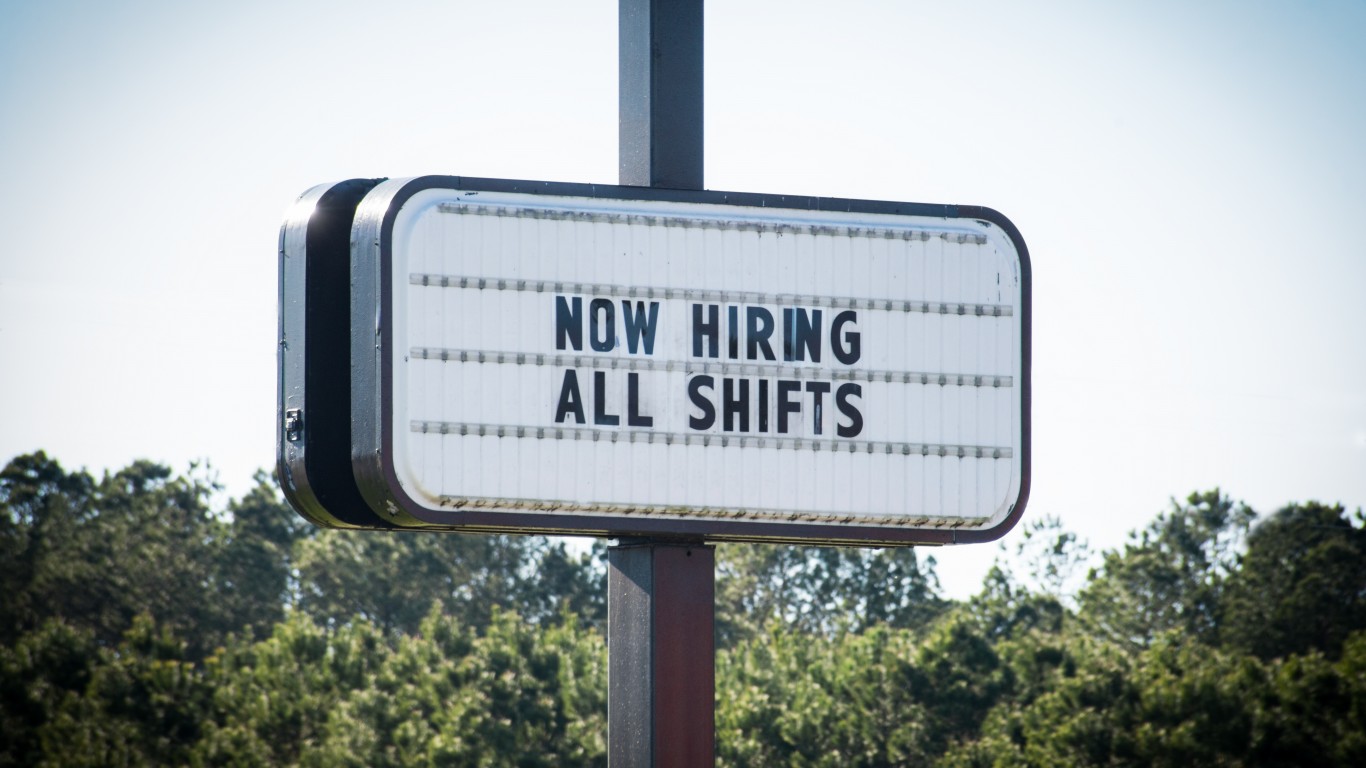
Paying $40 More for a Tank of Gas


© Koonsiri Boonnak / iStock via Getty Images

Douglas A. McIntyre is the co-founder, chief executive officer and editor in chief of 24/7 Wall St. and 24/7 Tempo. He has held these jobs since 2006.
McIntyre has written thousands of articles for 24/7 Wall St. He is an expert on corporate finance, the automotive industry, media companies and international finance. He has edited articles on national demographics, sports, personal income and travel.
His work has been quoted or mentioned in The New York Times, The Wall Street Journal, Los Angeles Times, The Washington Post, NBC News, Time, The New Yorker, HuffPost USA Today, Business Insider, Yahoo, AOL, MarketWatch, The Atlantic, Bloomberg, New York Post, Chicago Tribune, Forbes, The Guardian and many other major publications. McIntyre has been a guest on CNBC, the BBC and television and radio stations across the country.
A magna cum laude graduate of Harvard College, McIntyre also was president of The Harvard Advocate. Founded in 1866, the Advocate is the oldest college publication in the United States.
TheStreet.com, Comps.com and Edgar Online are some of the public companies for which McIntyre served on the board of directors. He was a Vicinity Corporation board member when the company was sold to Microsoft in 2002. He served on the audit committees of some of these companies.
McIntyre has been the CEO of FutureSource, a provider of trading terminals and news to commodities and futures traders. He was president of Switchboard, the online phone directory company. He served as chairman and CEO of On2 Technologies, the video compression company that provided video compression software for Adobe’s Flash. Google bought On2 in 2009.









 Top Gaining Stocks
 Top Losing Stocks