


We have been reviewing which publicly traded energy companies have lost the most value in the past year, and we are breaking these down by sector and by sub-sector. While composing this list is not particularly amusing, it does give an us an idea of what’s happening in the energy business. The days of throwing darts at a group of energy stocks are seeming to be farther and farther in the past as investors seem to be looking at quality more than evvery after turbulent times. Today’s installment looks at alternative energy.
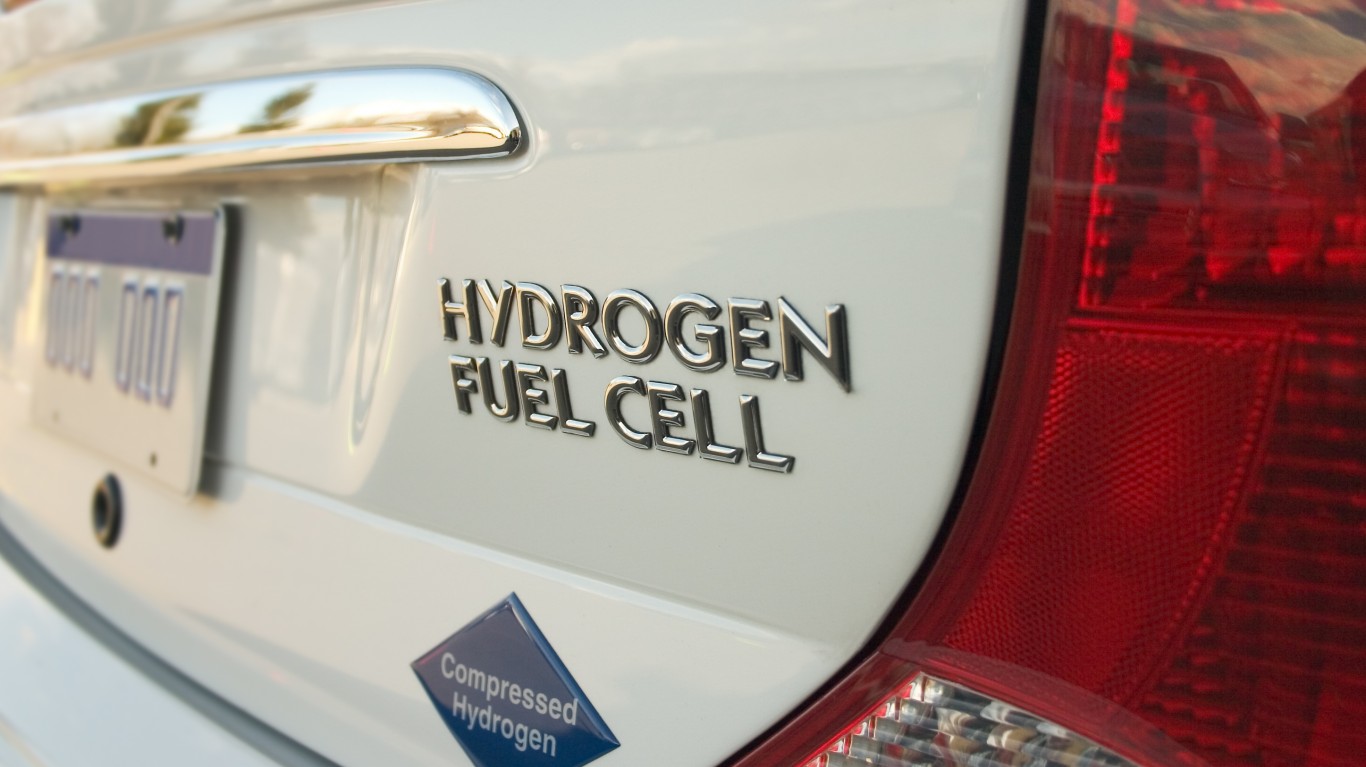
Hydrogen fuel cell start-up HydroGen (NASDAQ: HYDG) tops the list withdrop of nearly 96%, from a 52-week high of $3.94 to $0.14. The companyis developing a 400-kW phosphoric acid fuel cell, and is burning cashat the rate of nearly $2 million a month. The NASDAQ exchange haswarned the company of possible delisting by January 1, 2009, unless itcan bring its share price up to the minimum $1/share. The company laidoff approximately 64% of its Ohio workforce in May, but even that isnot likely to help for long.
Nova Biosource Fuels (AMEX:NBF) has dropped more than 89%, from a highof $3.10 to $0.28. Nova is building distilleries to make biodiesel froma wide variety of feedstocks, such as soybean oil, pork fat, and beeftallow. The company’s problems stem from a shortage of working capital,a shortage of feedstocks, and higher prices for the feedstock that isavailable. The company needs to complete a demonstration project by theend of September in order to meet the terms of one of its creditagreements. That looks to be a formidable challenge.
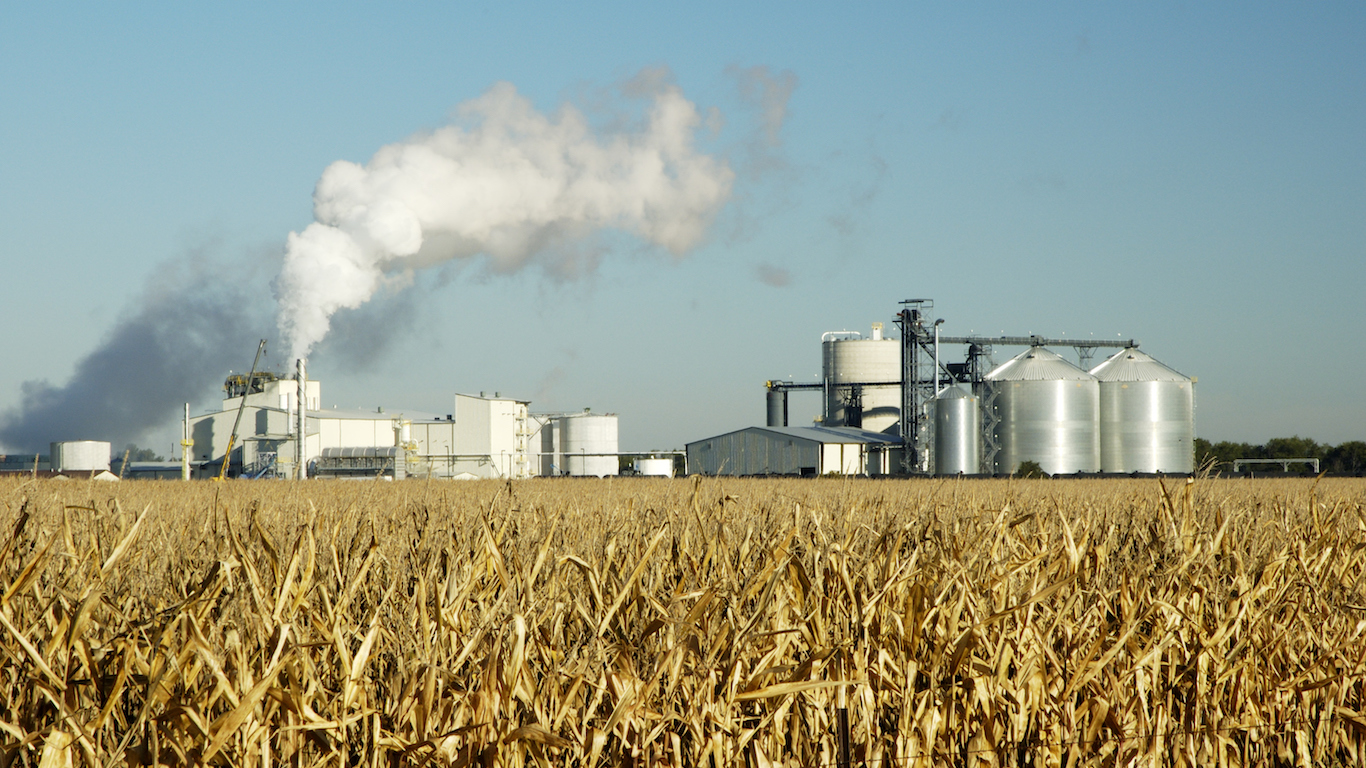
Ethanol stocks are also taking a beating. BioFuel Energy (NASDAQ:BIOF)has fallen from a high of $8.40 to $0.90. It establisheda new low yesterday, brought on by its announcement that it does nothave the cash to meet a $26 million hedging loss. The company is hopingto persuade Cargill to agree to a payment schedule that BioFuel canmeet. This does not look good.
Another player in the sector is Pacific Ethanol (NASDAQ: PEIX), which garnered much attention in recent years as Bill Gates was once a massive stakeholder. He’s been a seller but he probably wishes he would have unloaded it all long ago. Its recent earnings didn’t add any love and shares are down close to $2.00 with a 52-week range of $1.45 to $12.80. In 2006 this was trading over $30.00, so it is a serial disappointment.
Xethanol (AMEX:XNL) is down almost 64% in the past 52 weeks, from ahigh of $1.20 to its current $0.49. The news is even worse when yourecall that the stock hit an all-time high of around $15 about 2 yearsago. Fears that the federal subsidy will be eliminated or reduced orthat Brazil will begin exporting ethanol to the US have not improvedthe outlook for any ethanol producer. Add in higher corn prices, andthe recipe doesn’t look too appetizing.
The unproven alt-energy companies, like HydroGen and Nove Biosource,face financing problems in the tight capital markets. The establishedtechnologies, like ethanol, face weakening prices, higher costs,relatively low barriers to entry, and have an embedded social/politicalput option in them. The alt-energy arena is searching for a place and away to make money in difficult times for everybody.
Paul Ausick
August 13, 2008







 Top Gaining Stocks
 Top Losing Stocks