


 As John David Rockefeller discovered at the end of the 19th Century, there is not much money in refining crude if the supply is not abundant.
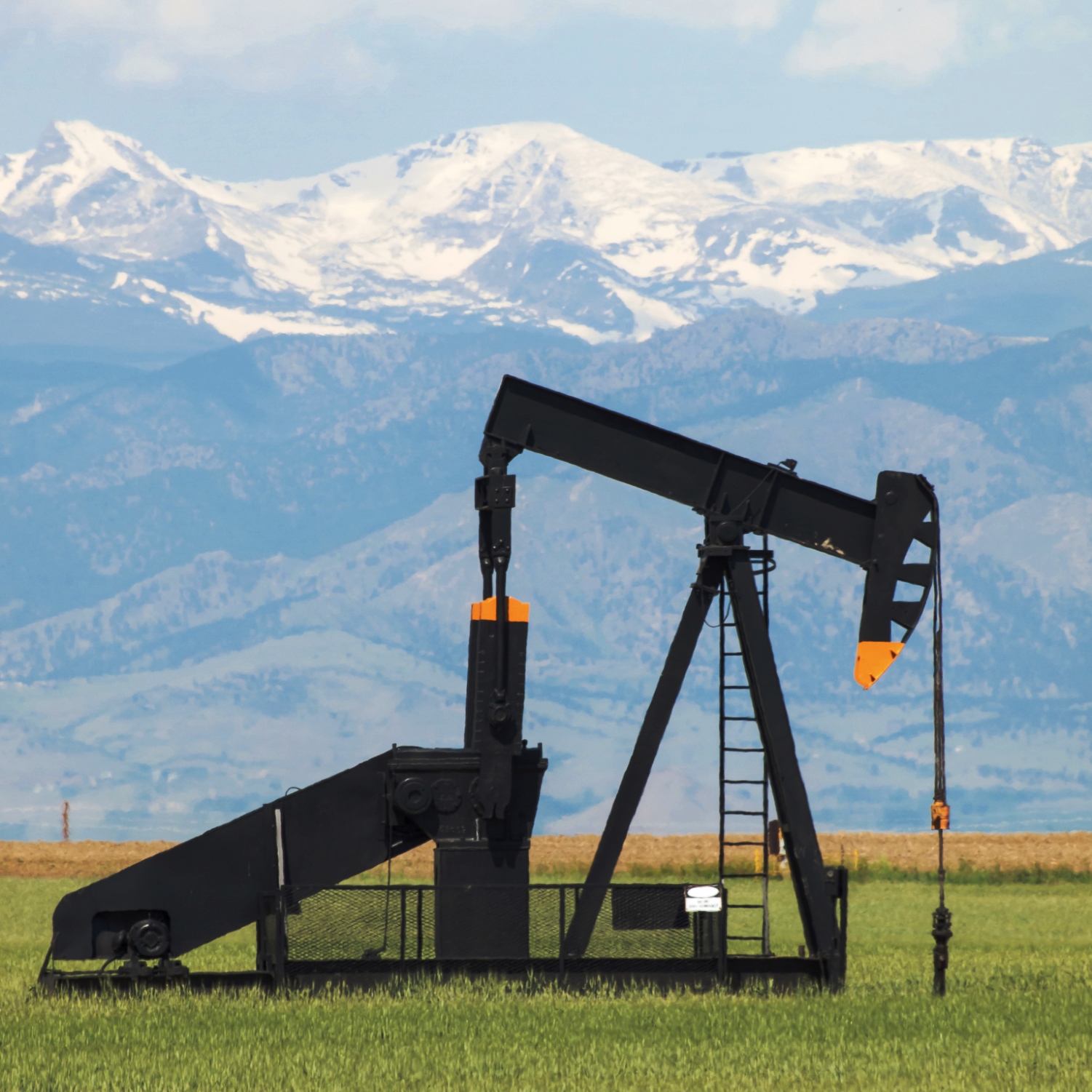
The US has been a net importer of oil for decades. There are very few places left in America where drilling below dry land is profitable.
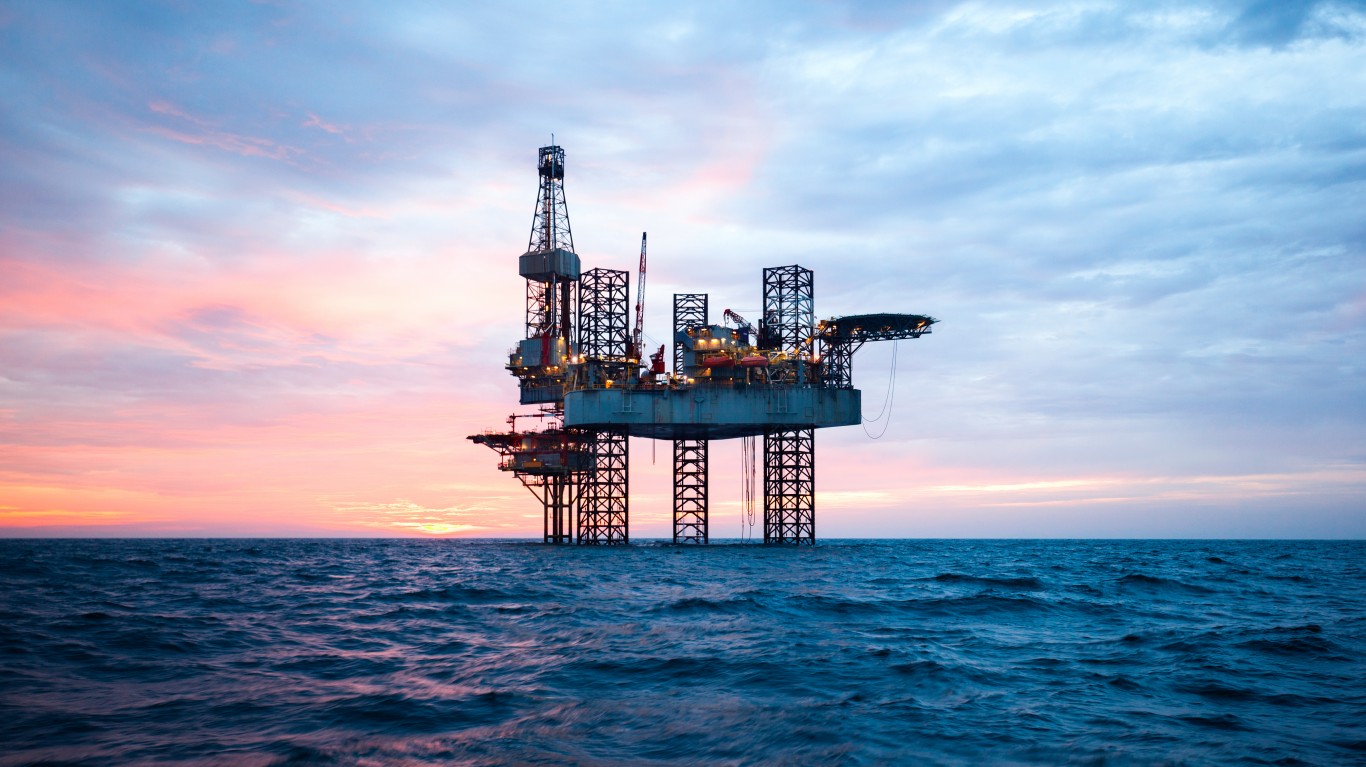
Last summer, several politicians and business leaders including the President pushed for the end to a federal moratorium for drilling in many offshore areas adjacent to the US coast.
One of the obstacles to increasing oil supply by drilling in the deep ocean is that getting permissions and permits can take years.
The Administration and Congress are up against an economy which is faltering so fast that government assistance may not be able to have any impact on it until the end of the year. Most private enterprises are strapped for cash and any business expansion without government assistance can only come from a very few industries.
One of those industries is oil.
President Obama has promised to increase the amount of energy from alternative sources by 100% over the next three years. Whether the aging grid infrastructure in the US that will be needed to deliver that energy can be rebuilt for the amount of money in the stimulus package is open to debate. What is not is that, given the opportunity, large oil companies would drill for crude in US waters if they had the clearances.
The current programs for bringing down energy prices are built on the assumption that, while the US is dependent on foreign sources for energy, particularly crude, costs can rise sharply and are out of the control of American industry. But, that problem could be partially offset by producing more oil domestically.
Drilling for oil in a large number of deep water locations would create jobs, not just at the oil companies but in the industries that supply crude exploration. All of this job creation does not require a dollar of taxpayer money. Oil companies will almost certainly bring crude out of these areas for the the huge profits involved, so the issue is whether that happens now or a few years from now.
Alternative energy sources will eventually bring down overall oil prices, but how long that will take is a matter of debate. Some analysts believe that the total cost of ethanol-based solutions currently make it unaffordable as a source. Wind energy is a slave to the power grid and the willingness of business to make capital investments in the technology.
Exxon invested $26 billion on capital expenses and exploration costs last year. It had net income of $45 billion. Exxon is anxious to get as good a return on its exploration costs as possible. Drilling in areas with known reserves which includes certain places just off the US coast would encourage large oil companies to invest billions of dollars to exploit new reserves.
Allowing drilling just off America’s cost line is controversial. Environmentalists argue that there are pollution risks. They are right. During a sharp downturn in the economy, it may be worth weighing that against the number of people who are unemployed and how many of those people could be put back to work in the energy exploration business. Drilling has one other advantage. No matter how long it takes for alternative energy to pay off, every barrel of oil produced in the US very slightly reduces the chance that crude prices will go up due to the financial risks of importing it from abroad.
If the recession were to be combined with a long-term increase in energy costs, the economic crisis would be worse, no matter how hard that is to believe.
-30-
Douglas A. McIntyre





 Top Gaining Stocks
 Top Losing Stocks