


 The US coal industry has not (yet) suffered the same put-downs from the Obama administration as the oil and gas industry. No delays on drilling or leases, no increases in royalty rates, no new taxes, unless you count the carbon cap-and-trade proposal. The President himself still talks about clean coal. But is there such a thing?
Thatdepends on who you ask. Most environmental organizations believe that clean coal is an oxymoron. Coal is dirty, and nothing is going to change that. On the other side, coal companies optimistically tout the day when burning coal will not emit one ounce of carbon dioxide.
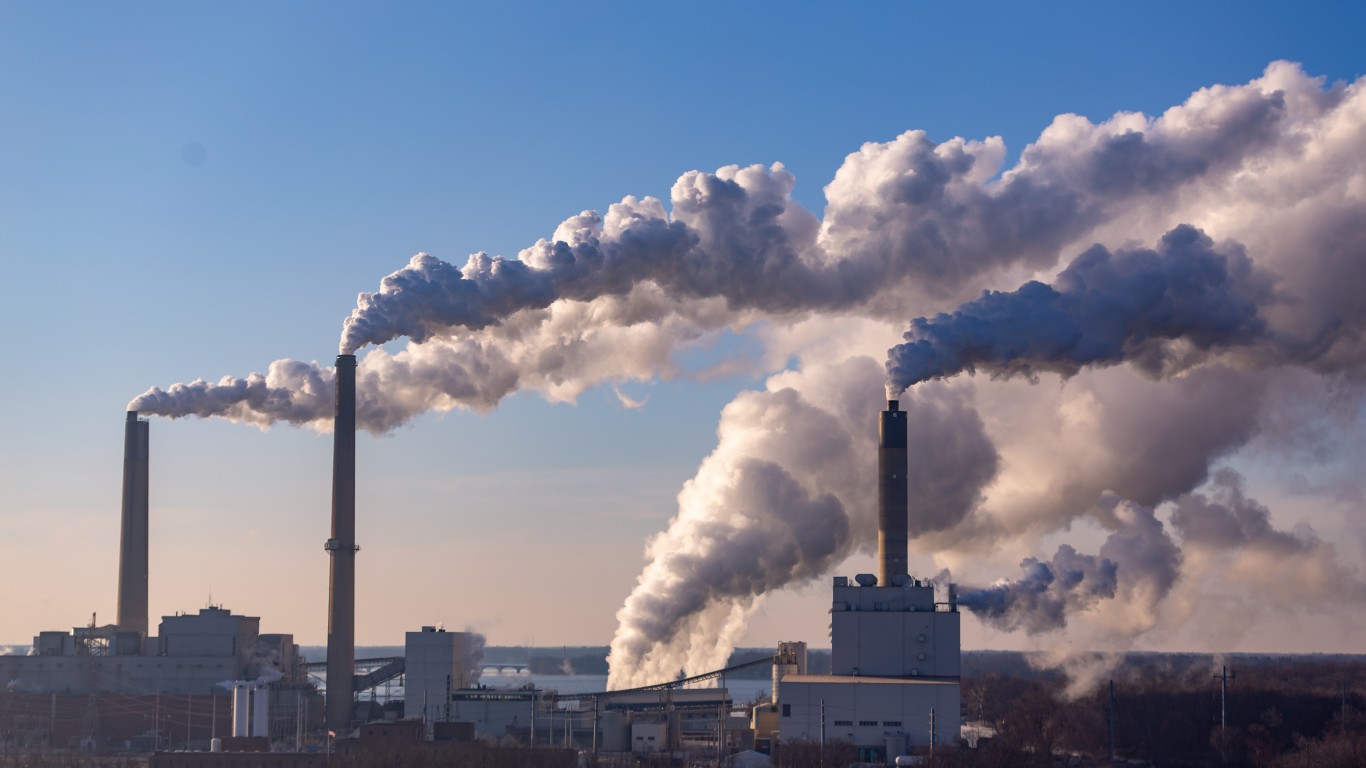
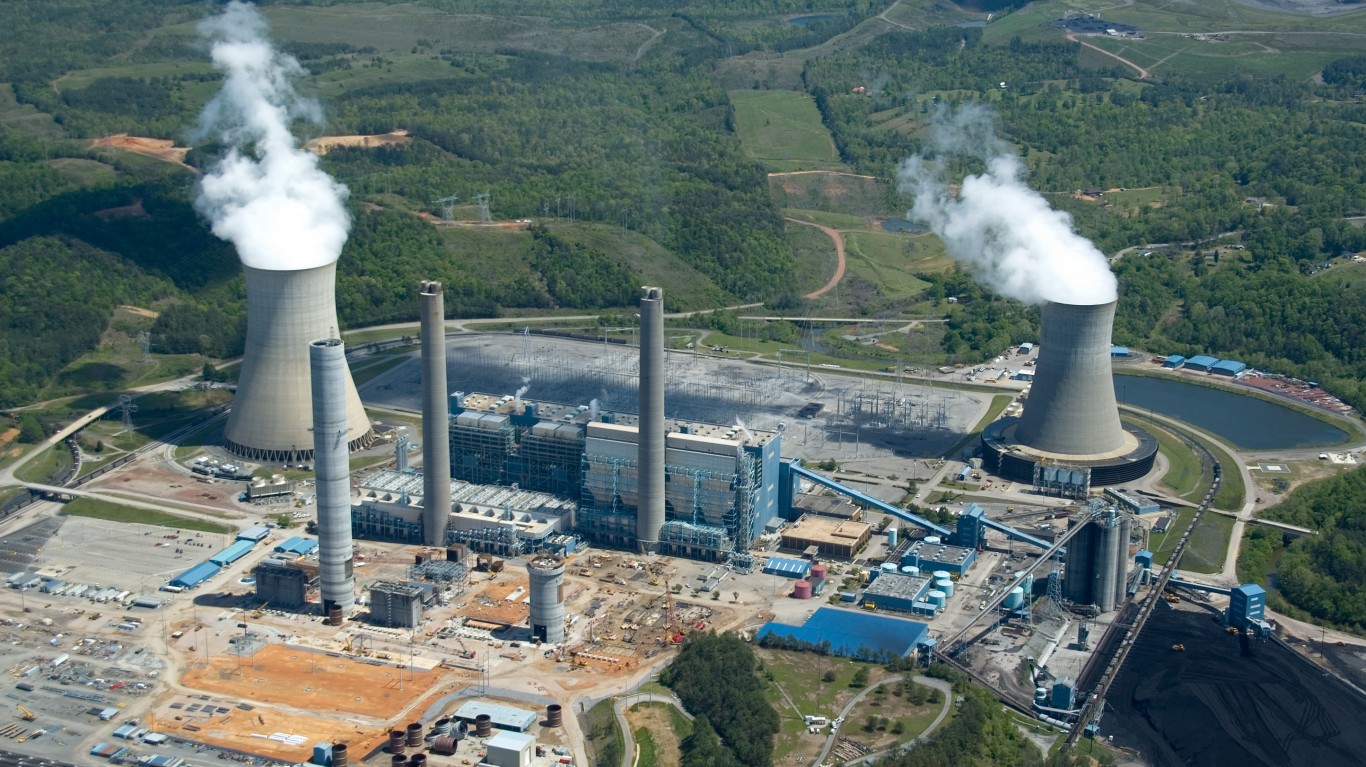
Clean coal, as it is usually defined, involves the capture and sequestration of carbon emissions from coal-fired power plants. There is just one carbon-capture-and-storage (CCS) project in the world that runs at a coal-fired power plant. Europe’s third-largest electricity utility, Sweden’s Vattenfall, fired up a CCS pilot project at a coal-fired plant in Germany last September. The plant will generate 30 megawatts of electricity and produce about 200 metric tons of carbon dioxide emissions daily. Vattenfall will liquefy the carbon dioxide and transport it first by trucks, and ultimately by pipeline, to a depleted gas field 125 miles away.
Today, the New York Times reported that a pilot CCS project dubbed FutureGen was canceled by the Bush administration on the basis of faulty math. FutureGen would have generated 275 megawatts of electricity. A consortium of companies had agreed to invest about 25% of the cost with the US Department of Energy putting up most of the rest. The plant originally was estimated to cost about $950 million, but due to the math error (using nominal dollars instead of constant dollars) the Bush administration canceled the project when the estimated cost mistakenly doubled. Still, costs would have increased to about $1.3 billion.
Consulting firm McKinsey & Company has estimated that removing a metric ton of carbon from a coal-fired plant would cost about $35-$55 by 2030. Small demonstration projects, like Vattenfall’s will cost about double that. Retrofitting old plants would cost even more.
CCS also uses about 20%-30% of a coal-fired plant’s capacity to capture and bury the carbon dioxide it generates. Coal-fired plants are not very efficient to begin with. One study determined that about 63% of the energy stored in coal is lost as waste heat. Other estimates for the amount of energy lost as heat go as high as 70%. Reduce that by another 20%-30% and the energy efficiency of a coal-fired plant drops below 25%.
Besides cost and inefficiency, the other significant hurdle is how to store carbon dioxide safely? Depleted oil and gas reservoirs receive the most attention, but deep saline aquifers are also possible sites. The depleted reservoirs are a good bet in the short run because, the thinking goes, they held the oil or gas for millions of years before we pumped it out, so the reservoirs are unlikely to fail now.
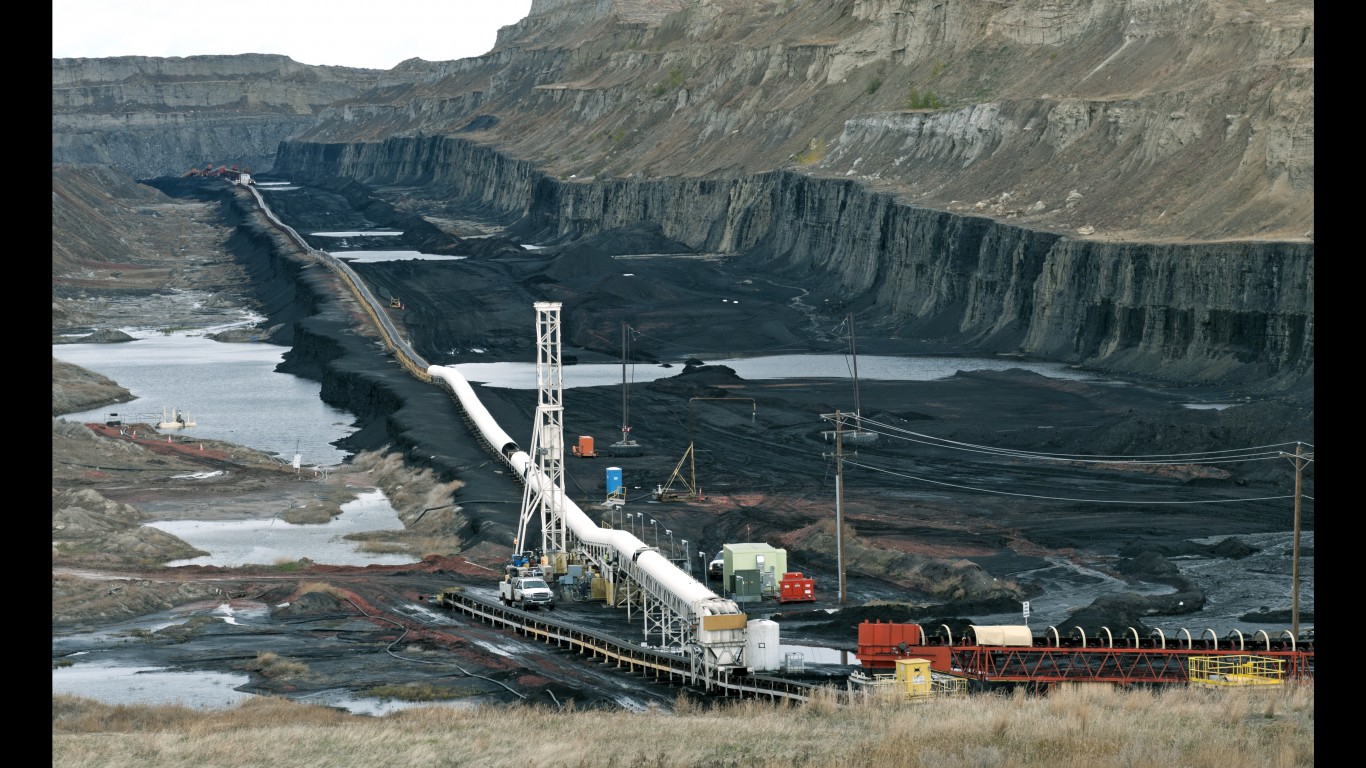
Even if the carbon dioxide can be stored safely, depleted reservoirs are not equally distributed geographically, so getting the captured carbon dioxide to a storage location could be impossible or very expensive. The alternative could be to create a sort of ‘national boiler room’ in the wide open spaces of Wyoming, Montana, and the Dakotas, where there is a lot of land and coal available, as well as potential storage reservoirs. Such a plan would certainly face fierce opposition. And even if it were successful, new electricity transmission lines would be needed to transport the power to markets. That alone adds billions of dollars to the cost of carbon capture.
Coal is abundant and relatively easily available, especially in the western US. Technologies for scrubbing emissions are available, but costly. The decision to pursue clean coal really comes down to a choice between investing more in a currently cheap and abundant fuel, or investing more in currently expensive and relatively small power sources like solar and wind.
The US probably needs to do both. Clean coal is really a transition fuel until alternate, cleaner technologies become more widely used and cheaper. That transition will take years, probably decades. If the US is going to generate electricity for the next 50 years, a large portion of the juice will have to come from coal. And if the US wants to reduce carbon emissions, then carbon capture and storage will need to be developed.
Paul Ausick
March 11, 2009









 Top Gaining Stocks
 Top Losing Stocks