


 AAA Daily Fuel Gauge: $3.982
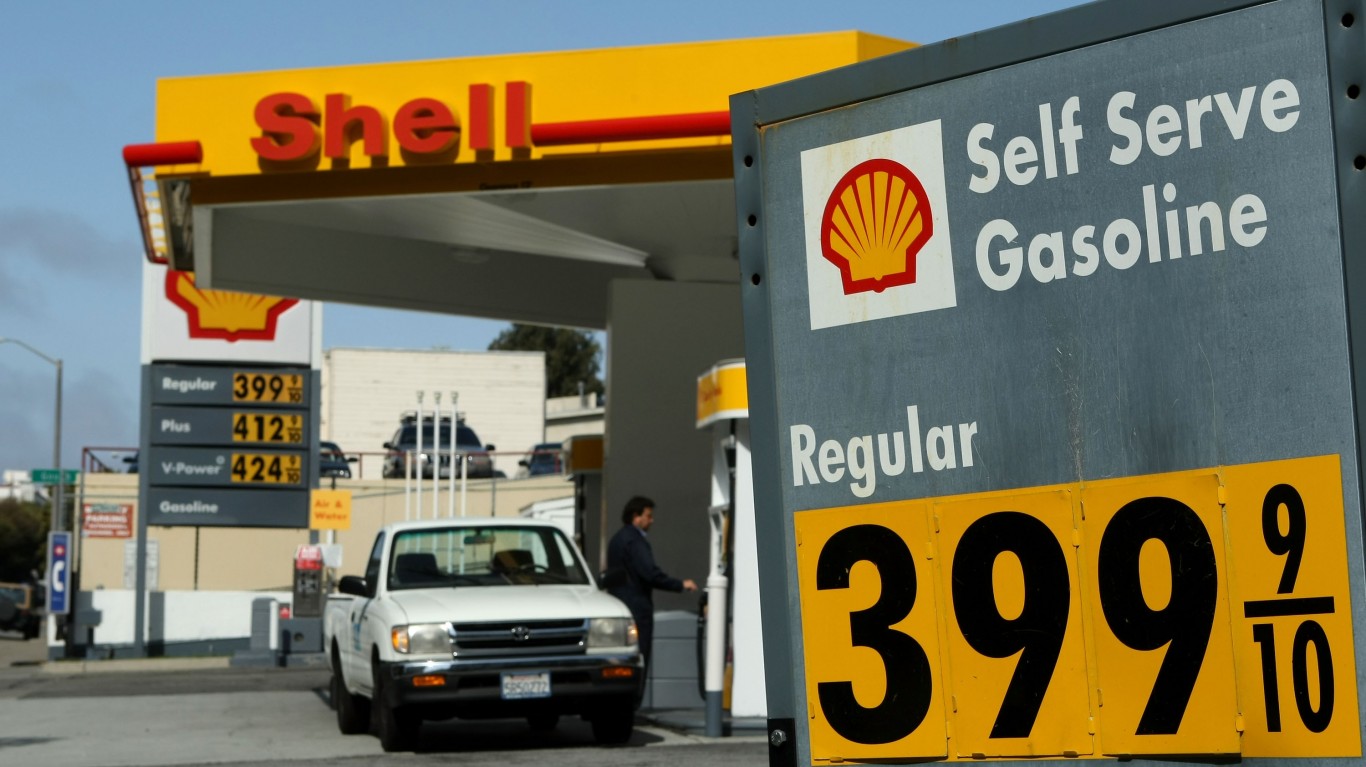
The price of gas ticked down yesterday from $3.984 the day before and the same figure a week earlier. The daily gas price watch has become so popular the CNNMoney runs a link to the AAA site from its home page.
The predictions about gas prices still fuel a debate about whether the national cost of a tank of regular will top $4.
Some argue that gas prices will continue to drop because Americans use less gas than they did a month ago. They shop online, take public transportation, and may cancel summer vacation plans. The other side of the argument is that prices will continue to rise because China and other parts of the developed world need more and more crude. OPEC has declined requests to export more oil. Global demand is still beyond supply.
Both sides are probably wrong. The supply and demand, at least for gasoline prices in America, seems to be fairly balanced. The cost of a regular gallon has not declined sharply and has not spiked above $4 in recent weeks. If nothing else, prices in the mid $3.90s should last through the summer.
The most likely cause of a gas price jump in the US lies somewhere that is not predictable. It could be the destruction of more fields in the Middle East or North Africa because of political instability in the region. It might be the flooding Mississippi which will break over its banks near refineries in Louisiana. A large increase in China’s inflation or PMI next month could be another cause. Oil trades as much on catastrophe as it does on the normal economics of daily worldwide output. That makes a sudden burst of news as likely a cause to move gasoline prices above $4 as anything else. As gasoline price watchers concentrate on how much Americans drive, somewhere a large refinery is about to be unexpectedly shuttered.
Douglas A. McIntyre








 Top Gaining Stocks
 Top Losing Stocks