


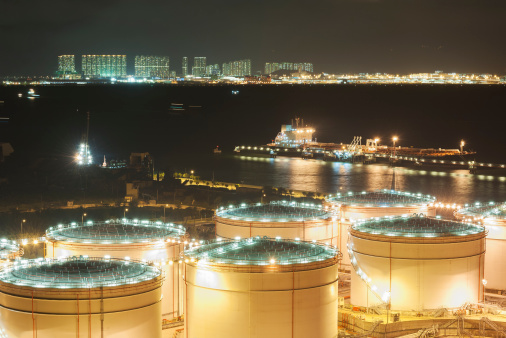
The first of the new plants to come online is being built by Kinder Morgan Energy Partners LP (NYSE: KMP) and is scheduled to begin processing crude for BP plc (NYSE: BP) in July. The initial processing capacity of the so-called “splitter” plant is 100,000 barrels a day, but it could be expanded relatively easily and cheaply if demand grows.
Kinder Morgan says the plant will cost $370 million, about 80% to 90% less than a full-blown refinery. Valero Energy Corp. (NYSE: VLO) and Phillips 66 (NYSE: PSX) have both indicated they may follow Kinder Morgan’s lead and build splitter plants of their own.
The Kinder Morgan plant will split the condensates that are produced along with crude oil into components such as naphtha, kerosene, and gasoil. The components can then be exported and fully-refined into usable fuels at the destination.
The splitters will help producers like BP recover some of the profit from the massive increase in U.S. crude production. Refiners have received most of the benefit until now, and the irony of high crude prices and low profits for oil producers has not been lost on the producers. Recapturing some of those profits by exporting barely-refined products will tilt the field a bit more in producers’ favor.
What impact will this have on the price U.S. drivers pay for gasoline at the pump? At first glance, it appears that it could raise prices, and that is likely to be the case for a while. The national average retail price of regular unleaded gasoline was $3.488 a gallon on Sunday, according to AAA’s Daily Fuel Gauge Report.
Ultimately, though, prices would stabilize as producers turn enough of a profit to support more drilling. Another of the ironies of the U.S. crude market today is that the high prices are not high enough to encourage capital spending. Witness the cuts that all major oil companies have made to their 2014 capex budgets, especially in North America.
The current oil “glut” in the U.S. could end as quickly as it started if producers don’t make enough money to continue exploration. The splitters are one way to boost revenues and look for more of them over the next year or so. But to think this will lead to pump prices below $3 a gallon is fantasy.






 Top Gaining Stocks
 Top Losing Stocks