


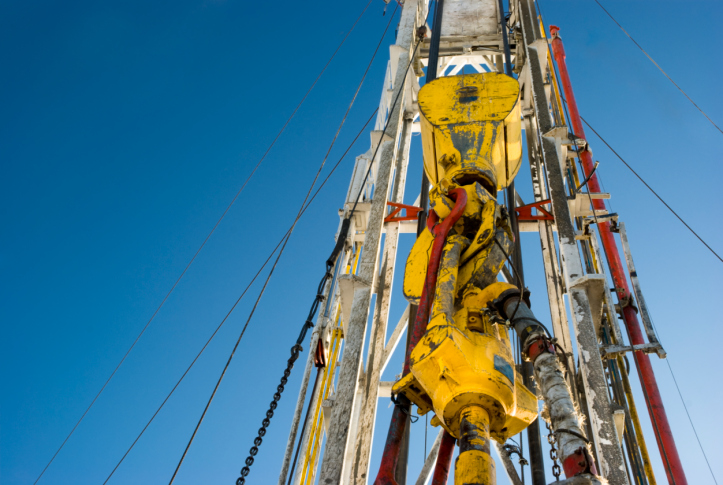
With oil prices low and showing no sign of an immediate rebound, the industry is beginning to pull back on spending.
Oil prices have dropped around 30 percent since summer highs, raising fears among producers across the globe. Yet, many oil majors are relatively diversified, with large holdings downstream. For example, ExxonMobil and Chevron have been insulated in the third quarter because of their large holdings in refining. Steep declines in oil prices may hurt their production sectors, but with lower priced oil as an input, big oil’s refining assets become more profitable.
For the third quarter, ExxonMobil reported a 3 percent rise in earnings compared to quarter three in 2013. That was largely driven by the Texas-based oil giant’s refining assets, which saw its profits rise by more than 70 percent from $592 million to $1.02 billion. Chevron’s refining program succeeded in quadrupling its profits in the third quarter, more than offsetting the hit the company has taken from the slide in oil prices.
Other companies that are not as large or integrated across various subsectors of the oil industry are not as shielded from the current soft price environment. And there are signs that a slowdown is beginning to take shape.
Oil services firm Baker Hughes reported another drop in the active rig count in early November, with oil rigs declining by 14. With 1,568 rigs in operation, the oil rig count is now at its lowest level since August, and down 49 rigs since a peak in October. Rigs could decline to 1,325 in 2015, according to some projections.
While some companies appear undaunted, vowing to maintain or even increase production, others are beginning to pare back spending plans. Continental Resources, a major oil producer in North Dakota’s Bakken play, has stated that it won’t deploy more drilling rigs next year. Pioneer Natural Resources, with large holdings in the Eagle Ford and Permian basin, has hinted at more modest plans for 2015 due to lower oil prices.
The companies that service the oil producers are also on the frontlines, often feeling the brunt of a pullback in drilling activity quickly. Transocean, a major offshore oil drilling contractor, reported a nearly $2.8 billion impairment charge during the third quarter, which was “due primarily to the decline in the market valuation of the company’s contract drilling services business.” In other words, lower oil prices hurt demand for Transocean’s drilling rigs.
Transocean’s 29 ultra-deepwater drilling rigs had accumulated 296 combined days of being out of service in the third quarter. That was an enormous increase over the previous two quarters – 110 days of out-of-service days in quarter two, and just 98 days in the first quarter. Even worse, the company expects the rigs to be inactive for a total of 435 days in the fourth quarter.
Short sellers are even stepping up their positions against oil field service companies as they sense an opportunity. Reuters reported on several European firms that are starting to come under fire from short sellers.
Nevertheless, the selloff in oil prices could be overdone. OPEC’s Secretary-General Abdullah al-Badri tried to ease concerns, speaking at a conference in Abu Dhabi on November 10. “Please do not panic, things will fix itself,” he said. On its face, that response would seem to suggest that OPEC thinks prices have bottomed out. On the other hand, Kuwait’s Oil Minister suggested that OPEC will not cut its production target, and echoing al-Badri’s comments, he said that “prices will settle down once surplus oil is absorbed.
No decision has been made yet, and OPEC will meet at the end of November in Vienna to decide its next move. But merely allowing the market to sort itself out while maintaining current production levels will almost certainly spark a negative reaction in the oil markets.
That would put greater pressure on oil producers and oil service companies around the world, potentially forcing further cutbacks in production plans with the weakest players and the highest cost regions feeling the worst of it.







 Top Gaining Stocks
 Top Losing Stocks