


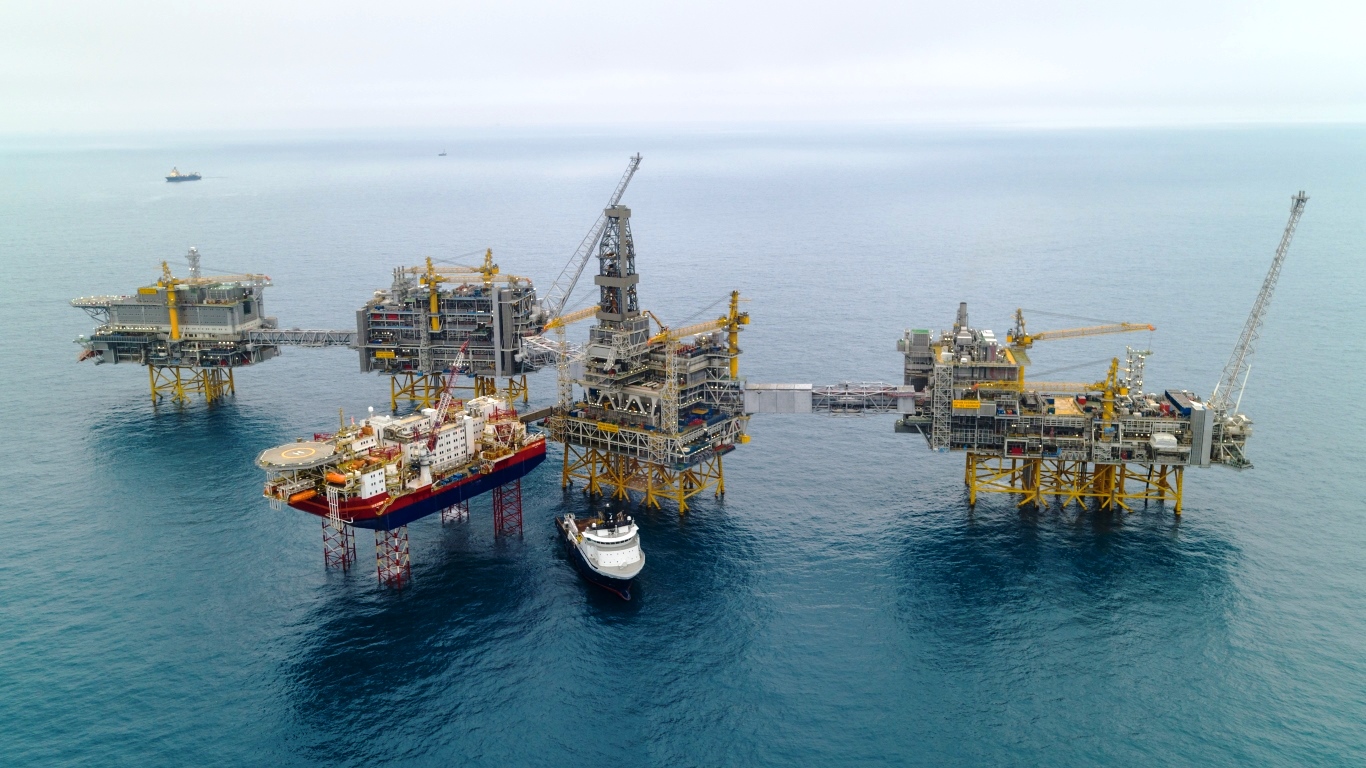
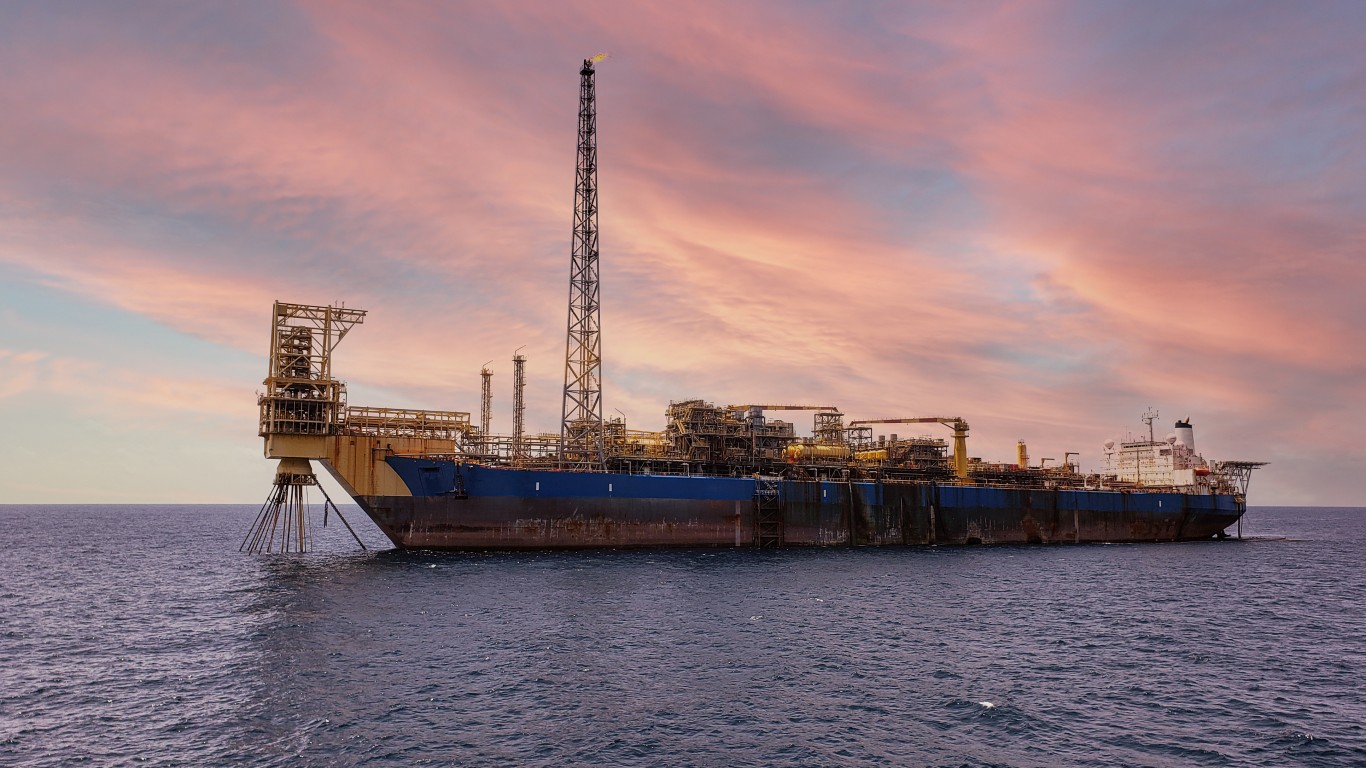
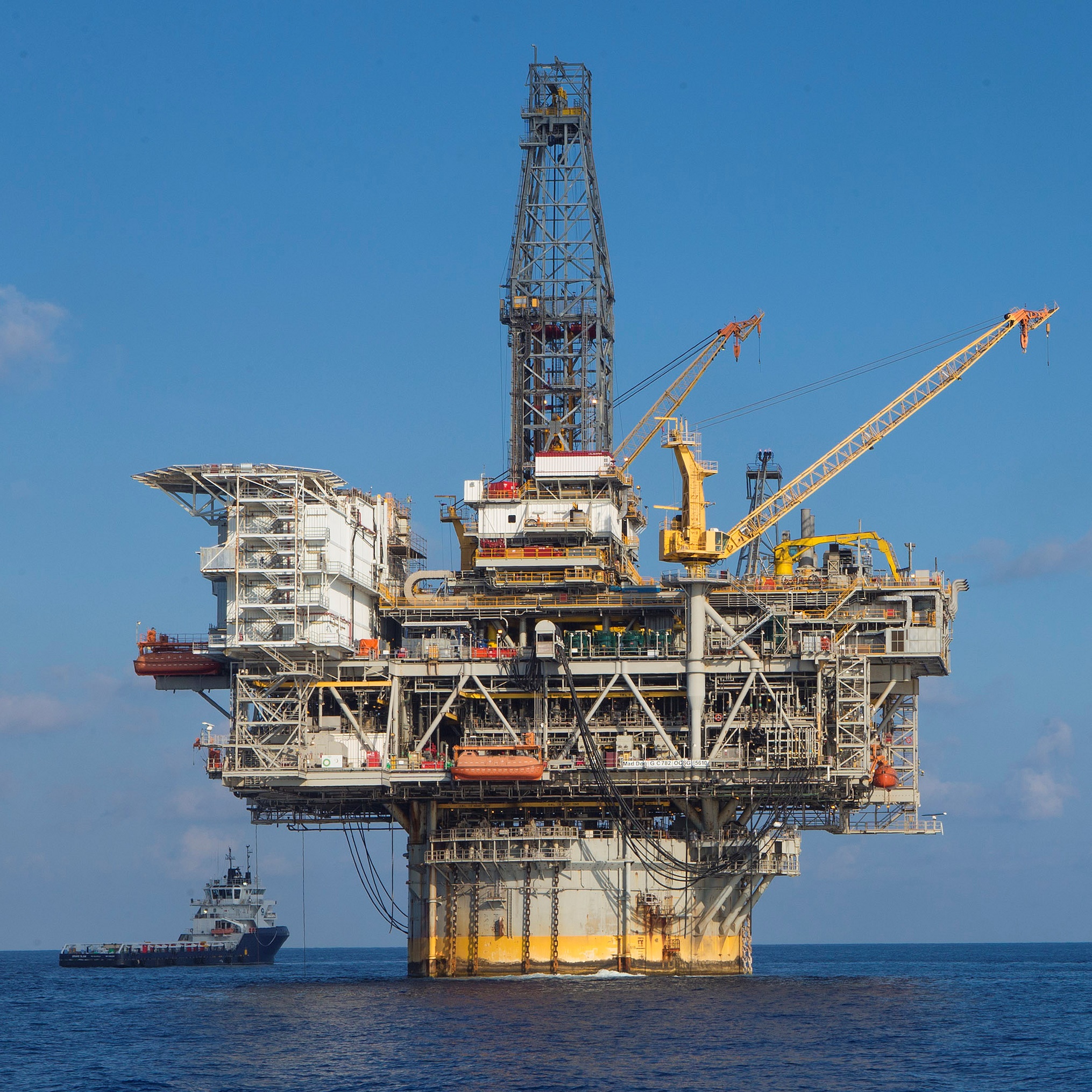
On Saturday, two months early and 10 years after its discovery, the Johann Sverdrup oil field began production. The field is located on Norway’s continental shelf and is estimated to hold recoverable resources of 2.7 billion barrels of oil equivalent. The field’s discovery was the largest offshore of Norway since the 1970s when the North Sea reservoirs were first being discovered and put into production.
State-controlled oil company Equinor ASA (NYSE: EQNR), formerly known as Statoil, is the project’s operator and owns a stake of 42.6%. Sweden’s Lundin Petroleum, the firm that discovered the field in 2010, owns a 20% stake; state-controlled services company Petoro owns 20%; BP’s Norwegian subsidiary Aker BP owns 11.5733%; and France’s Total owns 8.44%.
By mid-2020, the field is expected to deliver 440,000 barrels a day of oil equivalent with a target of 660,000 barrels by the end of 2022. Johann Sverdrup will account for about a third of Norway’s total production and a bit more than 0.5% of global production.
The company expects to recover 70% of the estimated 2.7 billion resource barrels, a virtually unprecedented total, over the expected 50-year operational life of the field.
Equinor said that the field would be profitable at a spot price of less than $20 a barrel when production reaches its maximum capacity. Operating costs are projected at less than $2 a barrel by mid-2020, and cash flow from operations is tabbed at $50 a barrel next year, based on a market price of $70 a barrel, largely due to phasing in of tax payments during the start-up phase. Carbon dioxide emissions have been estimated at “well below 1kg per barrel.”
[nativounit]
The decision to proceed with development of the field was made in August 2015. The cost of the project’s first phase dropped from an original estimate of around $13.5 billion to $9.1 billion, according to the company.
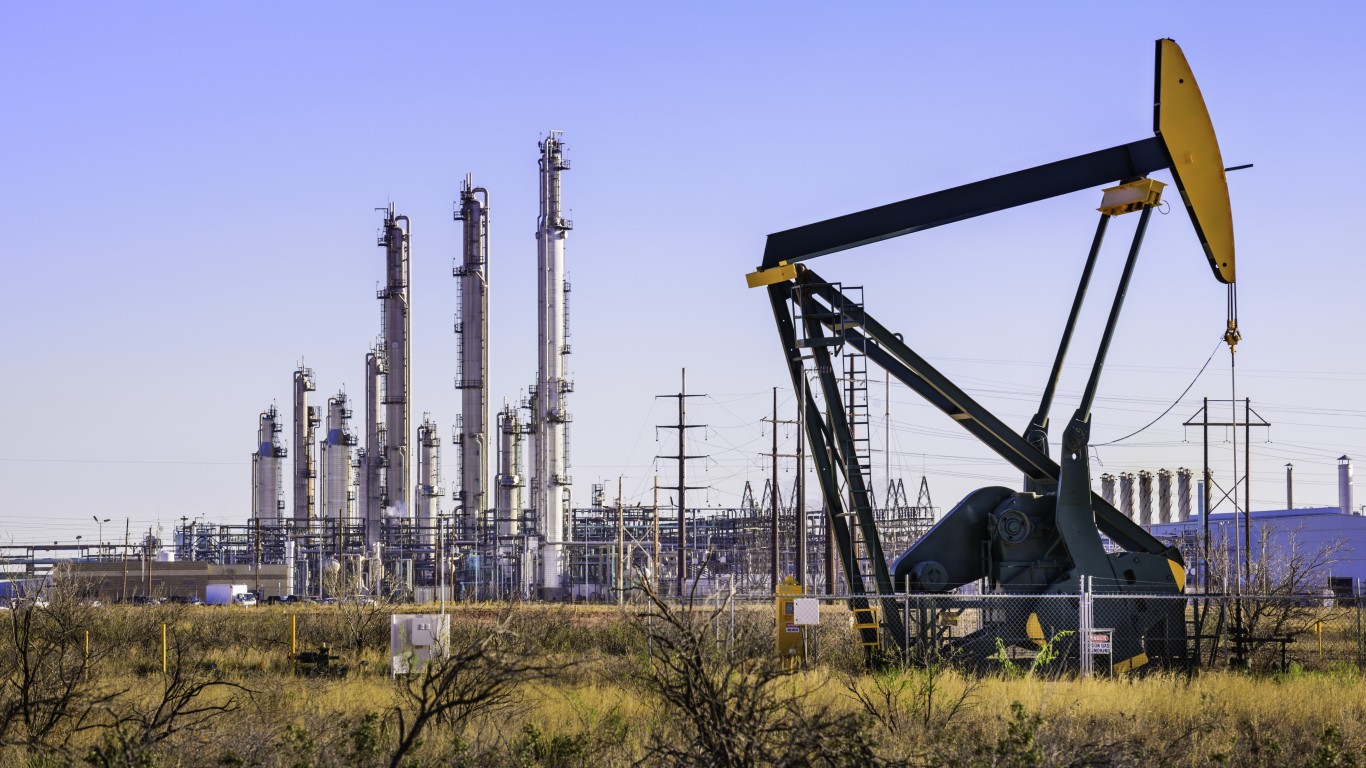
A horizontal well in the Permian Basin cost about $7.5 million last year. To spend $9.1 billion, drillers would have to poke about 1,213 new holes into West Texas and New Mexico. Last year, 4,133 new wells were drilled in the Permian, with just over half (2,121) drilled to offset production declines from existing wells.
The impact of investment in U.S. onshore shale plays has drastically reduced investment in searching for longer-lived conventional reservoirs like Johann Sverdrup. Investor returns on shale plays are waning and offshore projects are getting cheaper with larger and more longer-lived returns.
[recirclink id=582830]
[wallst_email_signup]







 Top Gaining Stocks
 Top Losing Stocks