


Five of the world’s largest publicly traded oil and gas companies report earnings this week and expectations are low. The International Energy Agency (IEA) has cut its demand growth forecast by 200,000 barrels (more than 15%) a day just since July. Since September 2018 the growth forecast has fallen by 400,000 barrels a day (more than 28%).
Falling demand means lower prices and lower prices mean that oil companies are looking at their reserves trying to figure out which ones offer the most revenue for the lowest cost. But these calculations get tricky as demand growth shrinks.
BP plc (NYSE: BP | BP Price Prediction) is the first of the integrated giants to report third-quarter results. When the company issues its report Tuesday morning, analysts are looking for earnings per American Depositary Share (ADS) of $0.59 and revenue of $64.16 billion. In the third quarter of last year, BP reported earnings per ADS of $1.14 and revenue of $79.47 billion. In the second quarter of this year, the company posted earnings per ADS of $0.83 and revenue of $72.68 billion. There is nothing pretty about the trend here.
If you’re concerned about the impact of burning fossil fuels on the global climate, lower demand accompanied by lower prices having your cake and eating it. If you’re a BP shareholder wondering what this all means for your 6% dividend yield and your long-term investment in oil, it’s probably more than a bit worrying.
[nativounit]
While electric vehicles are not going to replace gas- and diesel-powered vehicles anytime soon, virtually every projection sees EVs gaining substantial market share by 2030 and all those gains will come at the expense of fossil-fuel-powered vehicles. When demand for your product declines, growth is not easy to come by. Petrochemicals have carried some of the weight, but prices there have fallen as more supply has come online.
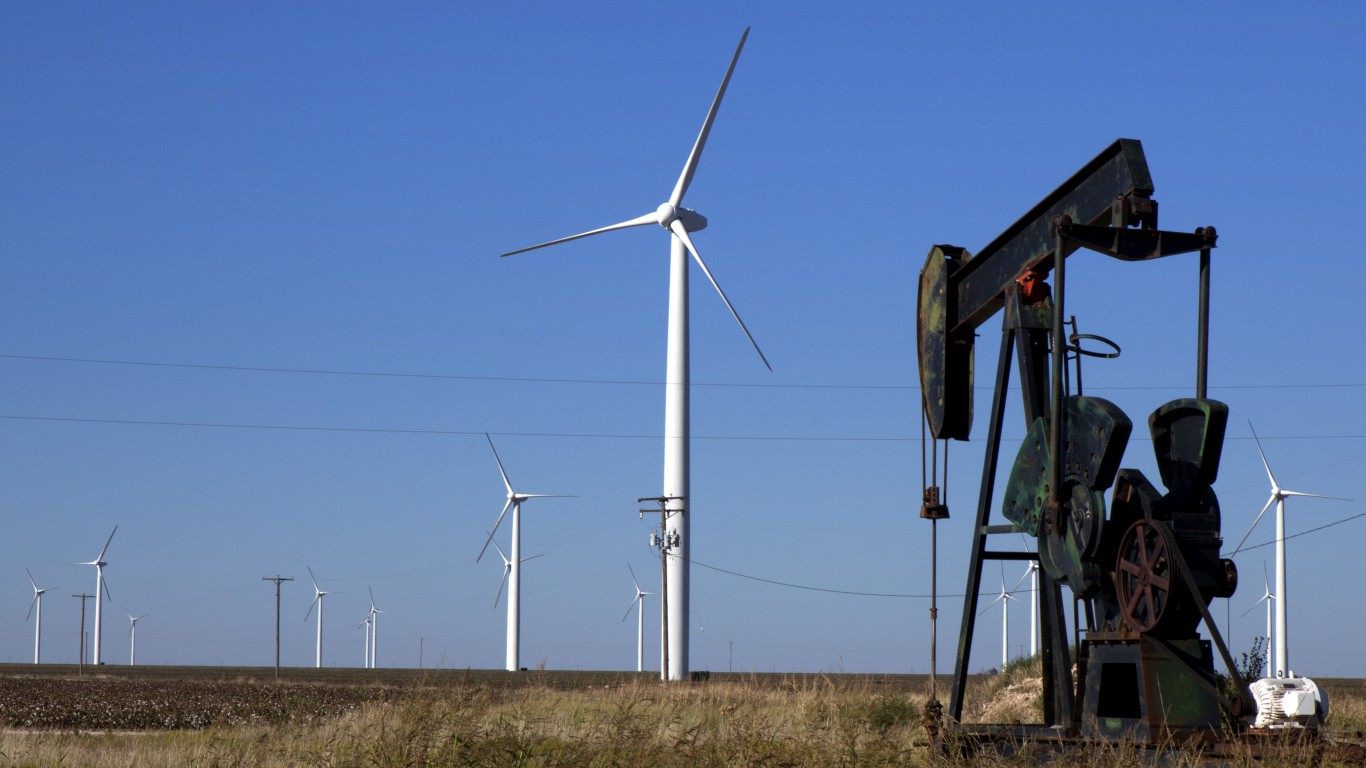
The oil industry is staring at an uncertain future, at best. While it has made some investments in renewables, these have been modest compared to the capital spending the industry pours into finding and producing more oil and gas. One reason for the imbalance is that profits on oil and gas have always been better than profits on renewables, but as costs of renewable energy continue to fall, fossil fuel producers are going to have a harder and harder time keeping competitive.
None of this is going to happen this year or next year or in five years, but the handwriting seems to be on the wall. And rather than looking in the mirror and seeing an energy company, BP and the other giants still see oil and gas companies with billions of barrels of reserves that are in danger of becoming stranded, or at least not economically producible. Right now these companies are doing what they can to protect their existing assets, but at some point, in say 10 years or maybe less, they will truly face an existential crisis that they are only getting glimpses of now.
BP’s ADSes traded up about 0.1% in the noon hour Monday at $39.40 in a 52-week range of $35.23 to $45.38. The 12-month consensus price target is $49.66 and the dividend yield is a handsome 6.25%.
[wallst_email_signup]










 Top Gaining Stocks
 Top Losing Stocks